
Which fabrics are used for stretch dresses?
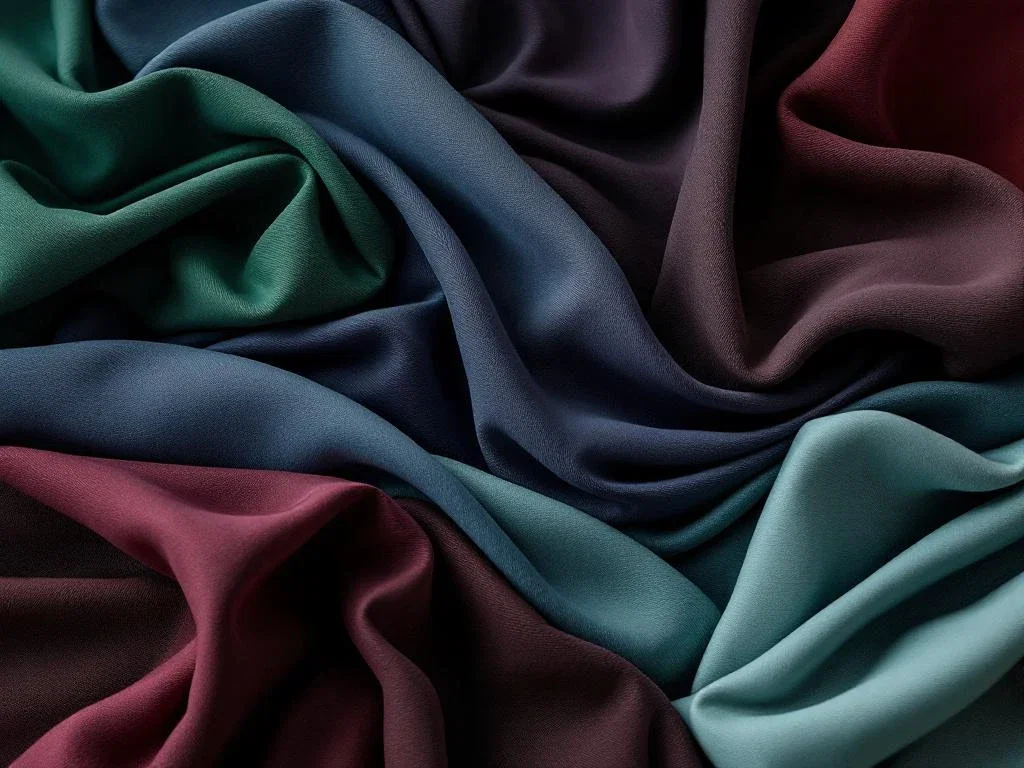
Stretch fabrics for dresses combine comfort with style by adding elastic fibers such as elastane, lycra or spandex to base materials. The most popular stretch fabrics are jersey (cotton-elastane), viscose blends, modal combinations and polyester-elastane blends. These fabrics offer freedom of movement, shape retention and a flattering fit that adapts to your body.
What are the most commonly used fabrics for stretch dresses?
Jersey is the absolute favorite for stretch dresses, made from cotton with 5-10% elastane for the perfect balance between comfort and shape. Viscose-elastane blends, like the ones you often see in dresses with 60% viscose, 31% polyamide and 9% elastane, offer a luxurious feel with plenty of stretch. Modal blends combine the softness of modal with stretch for dresses that are a joy to wear.
Polyester-elastane combinations dominate the market for sporty and casual dresses. These fabrics are easy to care for, wrinkle-free and hold their shape beautifully. You’ll mainly find them in dresses with 87-95% polyester, complemented with elastane for the necessary stretch.
These fabrics are widely available, with jersey on offer all year round. Viscose blends are popular for summer dresses thanks to their breathable qualities. Modal is increasingly used for premium dresses that combine softness with durability.
How does stretch actually work in different fabrics?
Elastane, also known as lycra or spandex, is the magic ingredient that gives fabrics their stretch. This synthetic fiber can stretch up to 500% of its original length and then return to its original shape. Natural fibers such as cotton usually get 2-5% elastane added, while synthetic fabrics often contain 10-20% for extra stretch.
The technique behind it is fascinating: elastane fibers are worked into the base fabric during weaving or knitting. With jersey, this happens during knitting, with the elastane threads knitted in along with the rest. This creates a fabric that can stretch in all directions, perfect for dresses that move with your body.
The stretch percentage directly determines the fit and freedom of movement. A dress with 5% elastane offers subtle stretch for comfort, while 15% elastane creates a bodycon effect. Shape retention depends on the quality of the elastane – high-quality elastane fibers keep their stretch much longer.
What is the difference between natural and synthetic stretch fabrics?
Natural stretch fabrics such as cotton-elastane and bamboo-spandex breathe better and feel softer on the skin. A cotton stretch dress with 5% elastane absorbs moisture and is ideal for warm days. Modal blends combine the best of both worlds, with natural fibers reinforced by a small percentage of synthetic stretch.
Synthetic stretch fabrics such as polyester-elastane and nylon-lycra are champions of shape retention and easy care. A travel quality with 87% polyamide and 13% elastane is wrinkle-free, dries quickly and keeps its fit for years. These fabrics are often thinner and have a smoother finish.


In terms of environmental impact, natural stretch fabrics score better, especially organic cotton with elastane. Synthetic versions, however, are more durable in use – they last longer and lose their stretch less quickly. For summer comfort, natural blends win, while synthetic fabrics are more practical all year round.
Which stretch fabric is best for different dress styles?
For bodycon dresses, heavy jersey or ponte roma with at least 15% elastane works best. These fabrics have enough body to shape without overstretching. A viscose blend with 9% elastane is perfect for casual dresses that fall loosely yet still flatter your figure.
Maxi dresses call for lighter stretch fabrics that drape beautifully. Modal-elastane or viscose jersey with 5-7% stretch gives you the freedom of movement you need without the dress sagging. For work dresses, choose ponte or a sturdy polyester-elastane blend that holds its shape throughout a long workday.
The thickness of the fabric makes a big difference: thinner stretch fabrics (150-200 grams per m²) are ideal for summer dresses, while thicker versions (250-350 grams) are perfect all year round. Watch out for sheerness – dark colors in thin stretch fabrics can show through. Always test this by laying the fabric over your hand.
How do you recognize good-quality stretch fabrics when buying a dress?
The stretch test is your best friend: gently pull the fabric and let go. Good-quality stretch returns to its original shape immediately, without creases or stretched-out spots. Also check the recovery by holding the fabric stretched for 10 seconds – premium elastane fully recovers within 2 seconds.
The weight of the fabric says a lot about its quality. A good stretch dress feels substantial without being heavy. Thin, light fabrics that promise lots of stretch often lose their shape quickly. Check the label for the exact composition – at least 3% elastane is needed for decent stretch, but more than 20% can make the fabric too thin.
Warning signs of poor quality include: shiny spots where the fabric has already been stretched, uneven stretch in different directions, and a chemical smell. Also look at how the seams are finished – with good stretch fabrics, they are sewn with elastic stitching. Loose threads or tight seams that don’t stretch along are red flags.
How do you care for stretch dresses so they stay beautiful?
Always wash stretch dresses at a maximum of 30 degrees on a delicate cycle. Higher temperatures permanently damage the elastane fibers. Use a mild detergent without bleach or fabric softener – these products affect the elasticity. Turn your dress inside out before washing to protect the outside.
Avoid the dryer at all costs – heat is the biggest enemy of stretch fabrics. Hang your dresses up wet on a hanger or lay them flat to dry out of direct sunlight. Spin at a low speed (maximum 800) to prevent stretching. Stretch dresses rarely need ironing, but if you must: use the lowest setting and iron on the inside.
When it comes to storage: never fold at the spot with the most stretch. Hang dresses on padded hangers or roll them up loosely. Don’t store them stretched or compressed. With the right care, a good stretch dress will last for years without losing its shape.
How &Co Woman helps you find the perfect stretch dress
&Co Woman makes choosing the ideal stretch dress easy by selecting only high-quality fabrics that combine comfort, style and durability. Our collection includes:
- Premium jersey dresses with the optimal elastane percentage for every body type
- Carefully selected viscose and modal blends for luxurious wearing comfort
- Durable polyester-elastane combinations that keep their shape for years
- Detailed fabric composition on every product for informed choices
- Different thicknesses and weights for every season and occasion
Discover our shop with stretch dresses and experience the difference of carefully chosen quality fabrics for yourself.
Frequently Asked Questions
How do I prevent my stretch dress from bobbling or pilling over time?
Bobbles are caused by friction, especially with stretch fabrics containing natural fibers. Wash your dress inside out on a wool cycle, use a laundry bag for extra protection, and avoid rough surfaces such as velcro or rough bags. A fabric shaver can safely remove existing pills without damaging the elastane fibers.
Can I take in or alter a stretch dress myself without losing its elasticity?
Yes, but always use a stretch (ballpoint) needle and a zigzag stitch or a special stretch stitch on your sewing machine. Test on a scrap of fabric first and don’t stretch the fabric while sewing. For the best result, use overlock thread that stretches with the fabric, or sewing thread made specifically for stretch fabrics.
Why does my black stretch dress turn gray or faded after a while?
Black stretch fabrics are extra sensitive to fading from detergent, heat and UV radiation. Always wash in cold water, use a special detergent for dark laundry, and turn the dress inside out. Add a splash of vinegar to the final rinse to set the color, and store dark dresses out of direct sunlight.
How do I know what percentage of stretch I need for my body type?
For a comfortable fit without feeling tight, choose 5-10% elastane. If you have a fuller figure or want to accentuate your shape, 10-15% is ideal for support without constricting. For sporty activities or maximum freedom of movement, go for 15-20%, but make sure the fabric is thick enough not to be see-through.
Are there natural alternatives to elastane that also provide stretch?
Natural rubber (latex) is the only true natural alternative, but it is rarely used in clothing because of allergies. Mechanical stretch through special knitting techniques offers limited stretch without elastane. New developments with bio-elastane made from natural polymers are promising but not yet widely available.
How long does the stretch in a dress last on average with normal use?
With good-quality elastane and proper care, the stretch stays optimal for 2-3 years when worn weekly. After that, the elasticity gradually decreases. Polyester-elastane combinations keep their shape the longest (3-5 years), while cotton-elastane slackens faster. Invest in quality and rotate your favorite dresses to extend their lifespan.