What are the most common mistakes when building a capsule wardrobe?
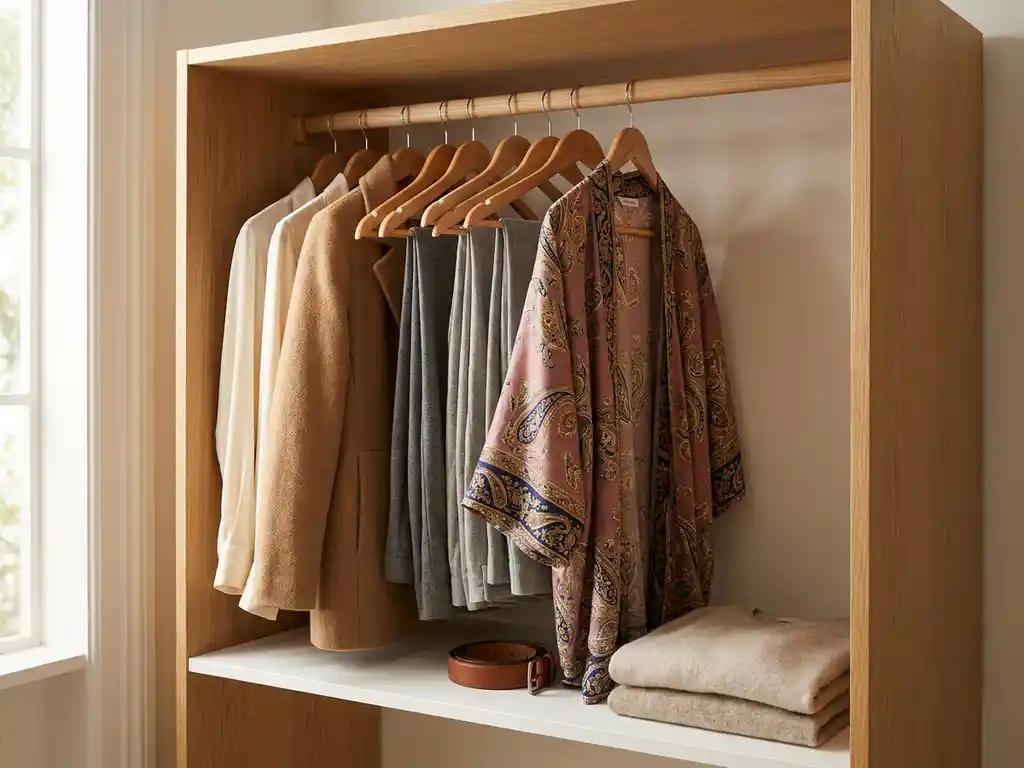
The most common mistakes when building a capsule wardrobe are: buying too many items that don’t work together, forgetting the basics, and not taking your own lifestyle into account. A good capsule wardrobe consists of a limited number of carefully chosen pieces you can combine endlessly. Below, we answer the most frequently asked questions, so you can build a wardrobe that truly works for you.
How many pieces does a capsule wardrobe really need?
On average, a capsule wardrobe needs between 25 and 40 pieces, including shoes and accessories. That may not sound like much, but it’s all about items you can mix and match with each other. Quality and versatility matter more than quantity. With 30 well-chosen pieces, you can easily create hundreds of outfits.
The exact number depends on your lifestyle. If you work at the office five days a week, you’ll need a different balance than someone who mostly works from home or spends a lot of time outdoors. Start with an honest look at your week: how many days do you need formal clothing, how many days is casual appropriate, and what do you do in your free time?
A handy breakdown as a starting point for building a capsule wardrobe:
- Five to seven pants and skirts in neutral shades
- Eight to ten tops, blouses and shirts
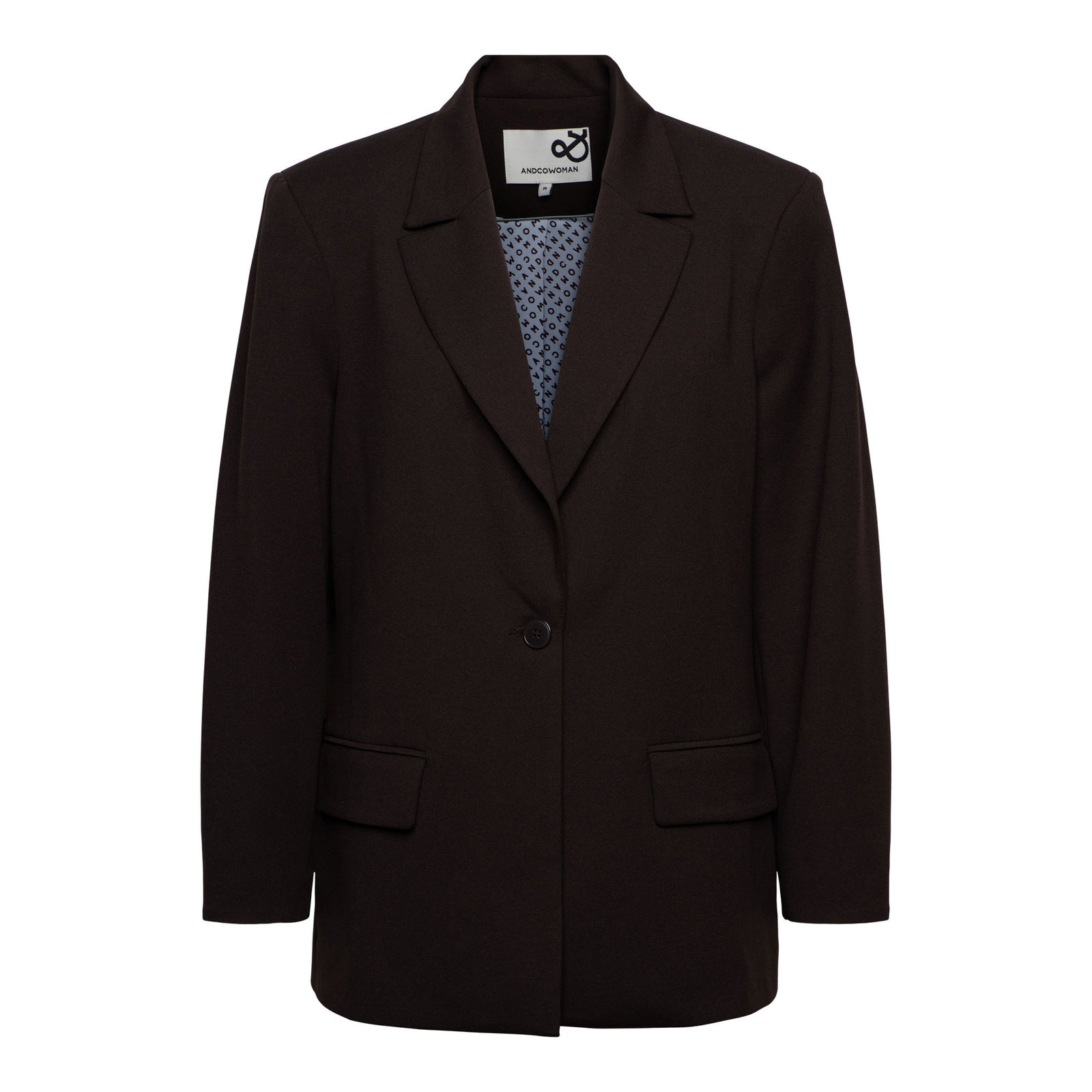
- Three to five layers such as blazers, cardigans and jackets
- Two to three multifunctional dresses
- Three to four pairs of shoes for different occasions
Less is more, but only if every piece earns its place. Better 30 items you wear all of than 80 items, half of which never leave the closet.
Why don’t capsule wardrobe items always go together?
Capsule wardrobe items don’t go together when you shop without a color plan. The most common mistake is loving items individually without checking whether they fit with the rest of your wardrobe. One odd color or style can throw off an entire mix-and-match system.
A solid color palette is the foundation of a capsule wardrobe that works. Choose two or three neutral base colors, such as navy, camel, white or gray, and add one or two accent colors. Stick to this palette with every purchase. That way, everything automatically goes with everything.
Besides color, stylistic cohesion plays a big role. A sharply tailored blazer pairs less easily with a boho blouse than with a classic silk top. Make sure the items in your wardrobe speak the same style language, even if they range from formal to casual. That doesn’t have to be boring, but there should be a common thread.
Finally: pay attention to proportions. Wide-leg pants call for a more fitted top, and vice versa. Apply this consistently and combinations will fall into place naturally.
Which basics shouldn’t you forget in a capsule wardrobe?
The 10 capsule wardrobe basics you shouldn’t forget are: well-fitting dark jeans, a white blouse, a neutral blazer, black pants, a versatile midi dress, a cashmere or fine-knit sweater, a trench coat, a quality plain white or black T-shirt, comfortable loafers or pumps, and a neutral bag for everyday use.
What these pieces have in common: they’re timeless, versatile and comfortable to wear. They work for a meeting just as well as for lunch with friends. That’s exactly the point of a capsule wardrobe: you don’t have to think about what to wear, because everything you own works together.
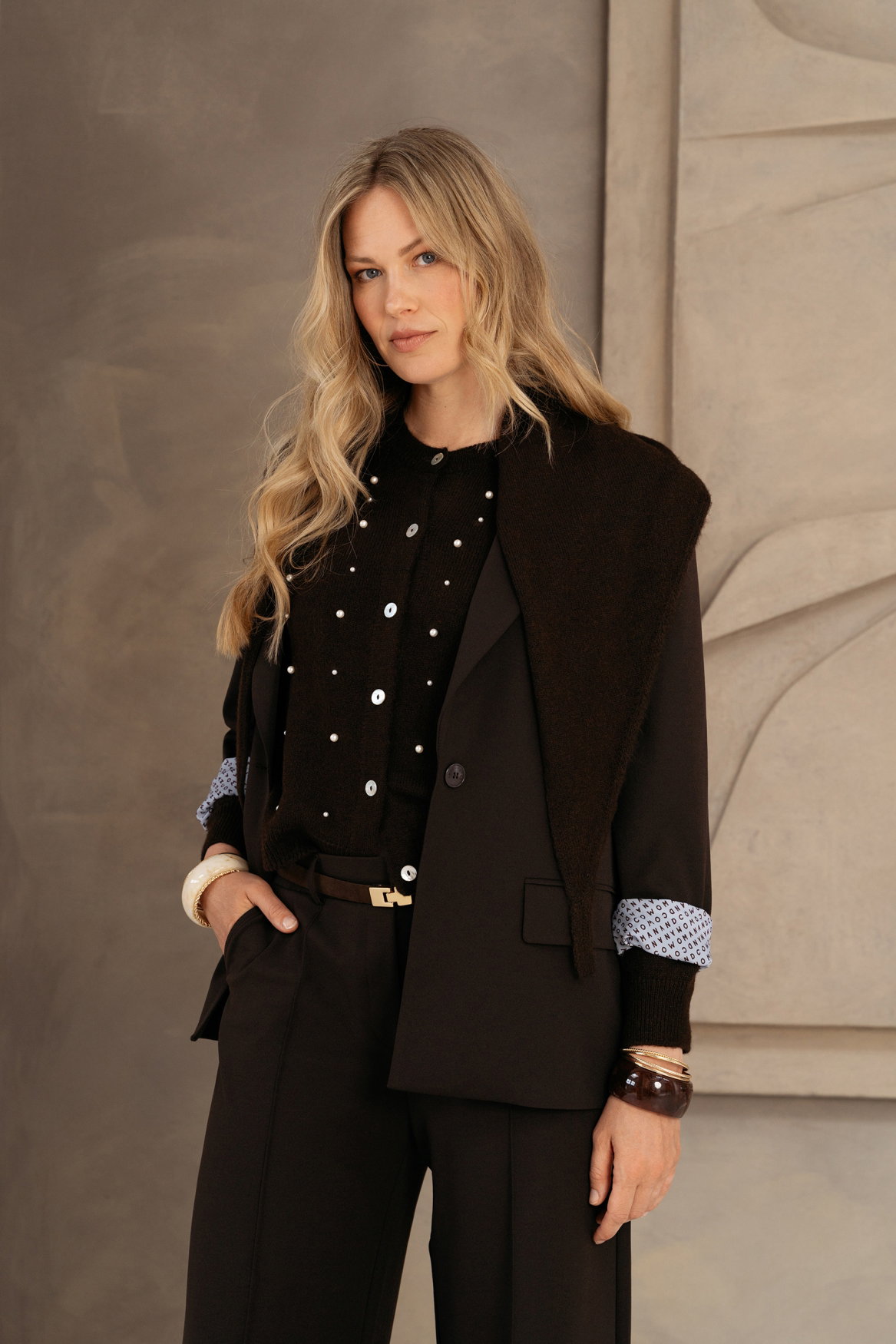
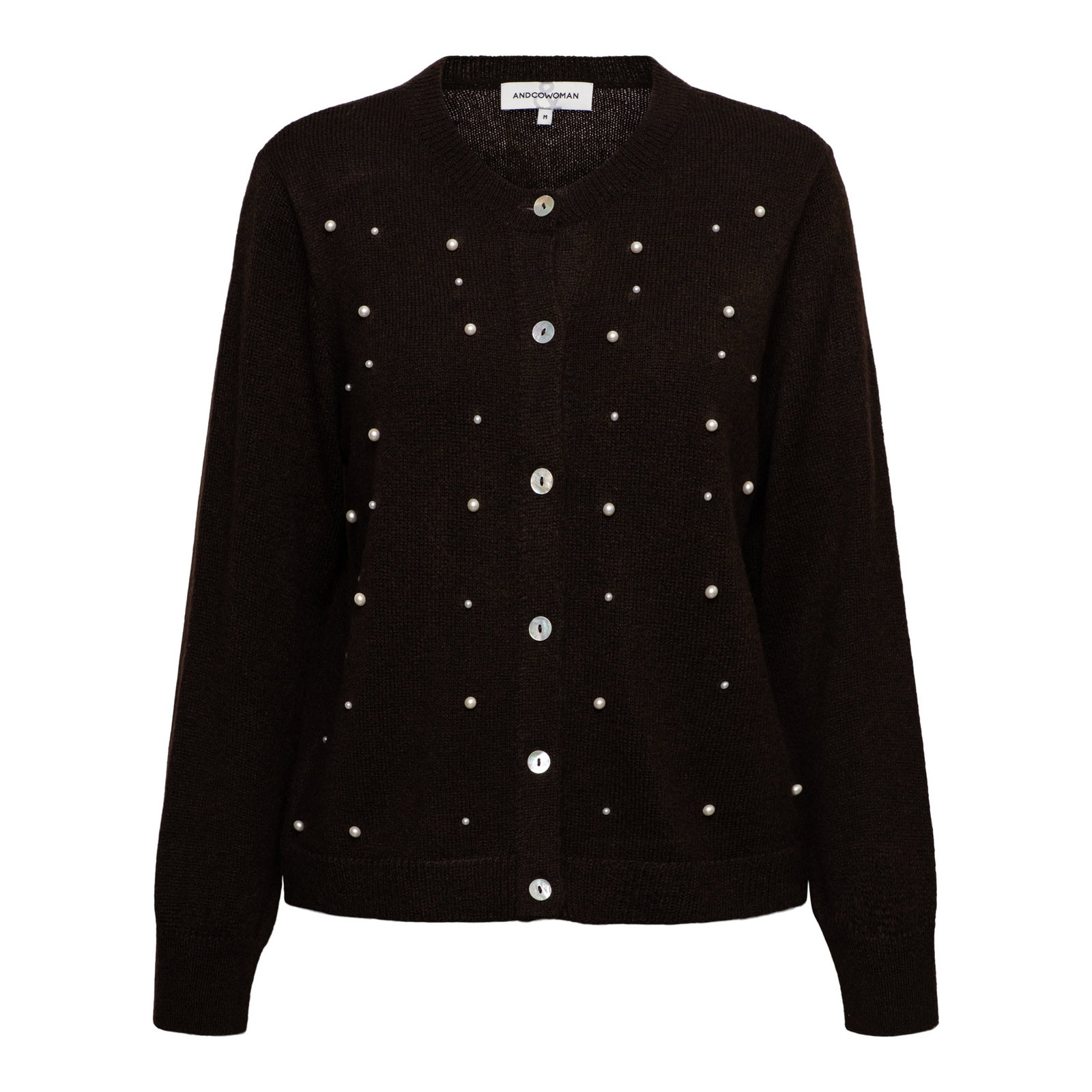
For a fall capsule wardrobe 2026 in particular, a few additions are worth considering: a warm turtleneck in an earthy tone, an oversized cardigan and a well-cut leather or faux leather jacket. These pieces give your wardrobe seasonal relevance without having to replace the basics.
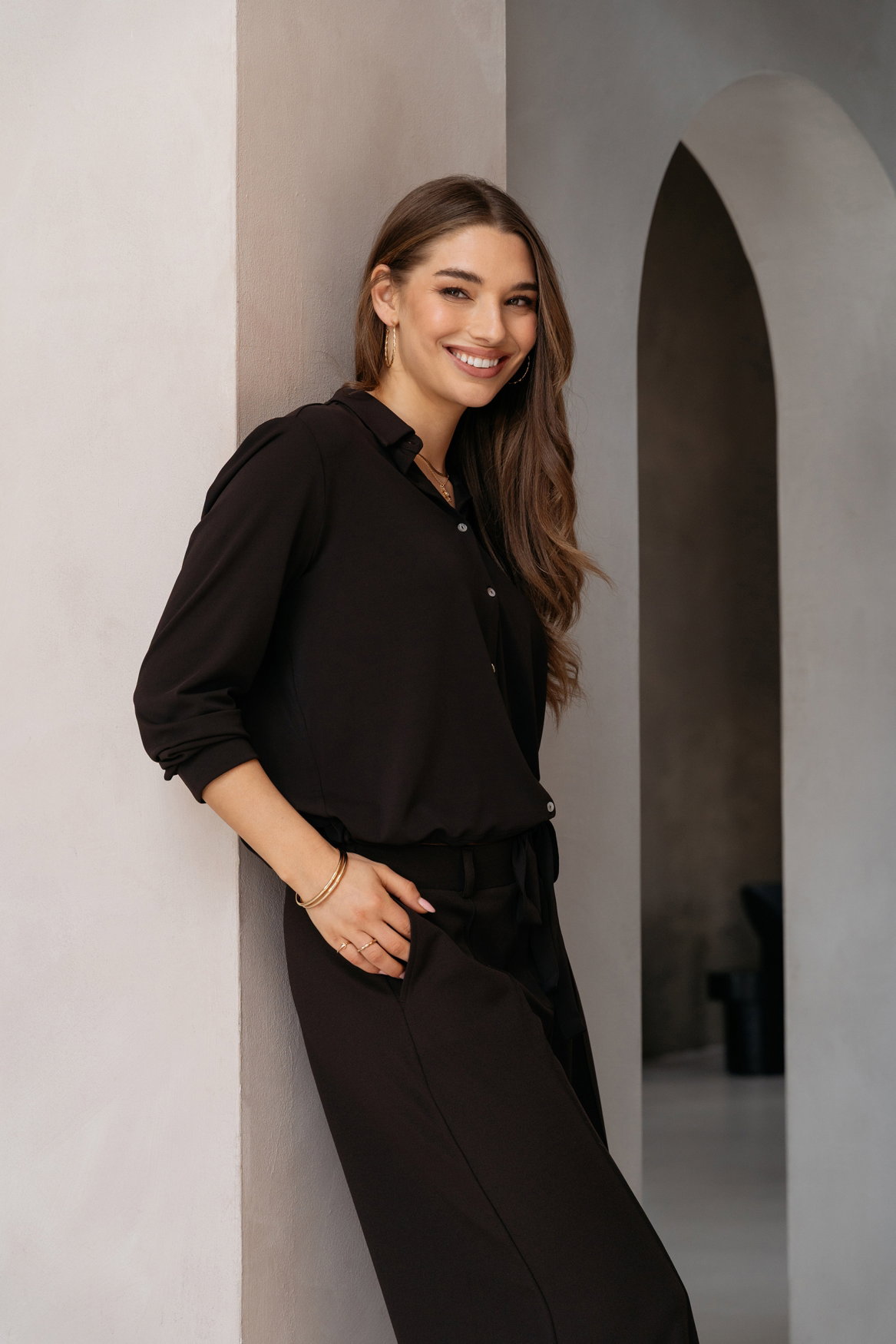
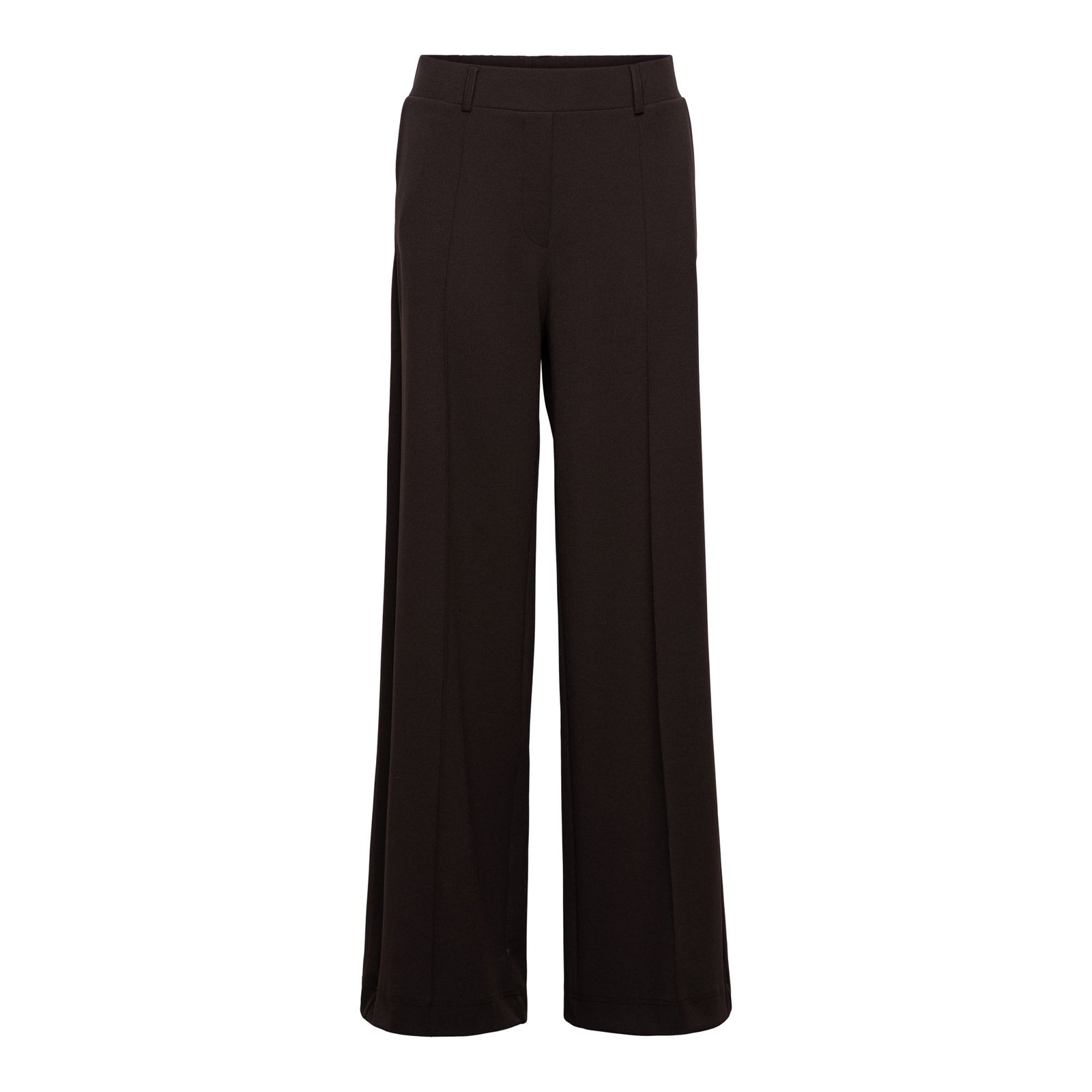
The same basic principles apply to a plus size capsule wardrobe, but pay extra attention to fit and cut. Choose pieces with stretch or a slightly roomier cut that flatters your figure rather than hiding it. An A-line skirt, a well-cut wrap dress and tailored high-waisted pants are especially versatile.
How do you keep your capsule wardrobe from getting boring?
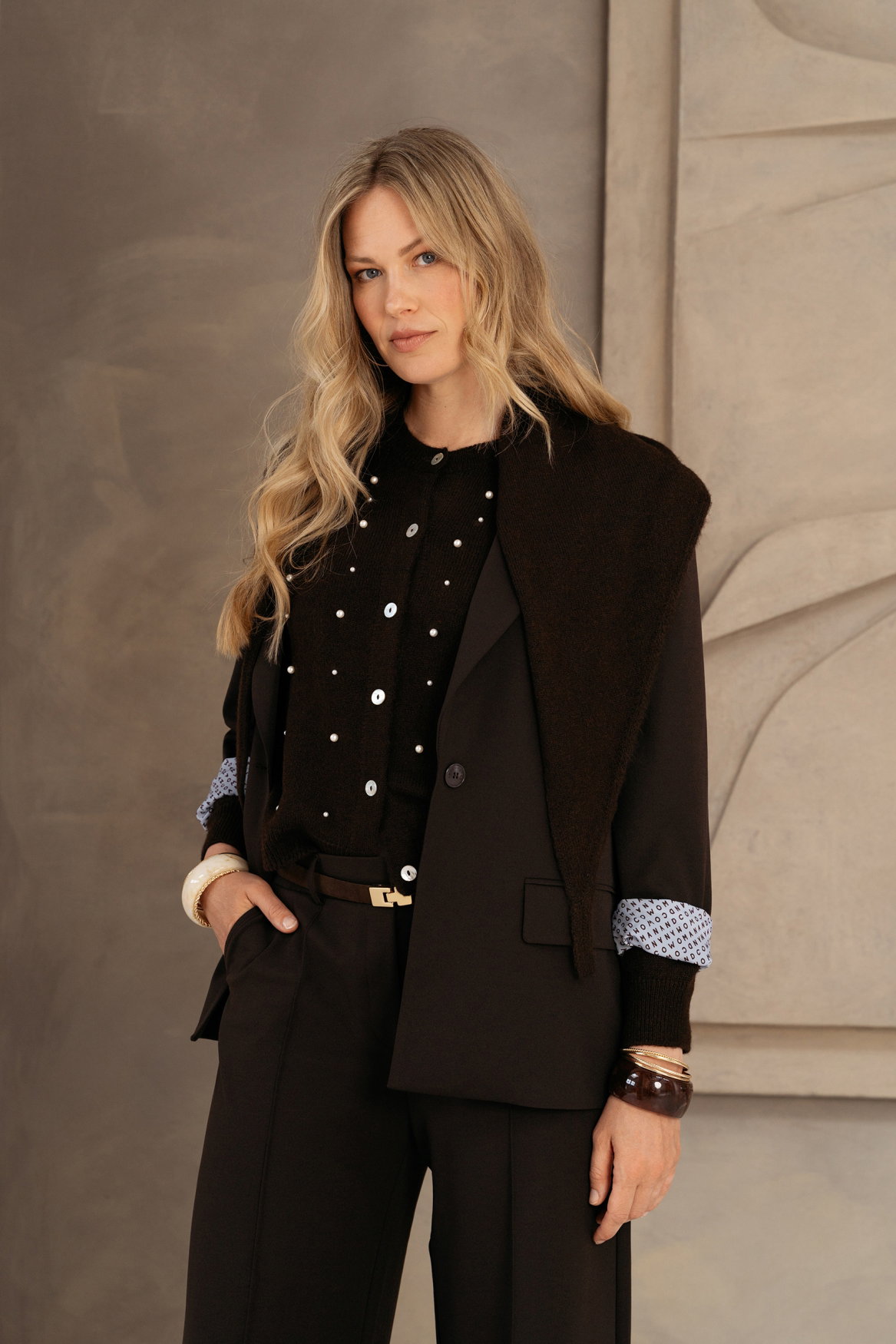
You keep a capsule wardrobe from getting boring by playing consciously with print, texture and color accents, without losing cohesion. A neutral base doesn’t have to mean everything is gray and flat. One item with a beautiful print or a striking color elevates an entire look.
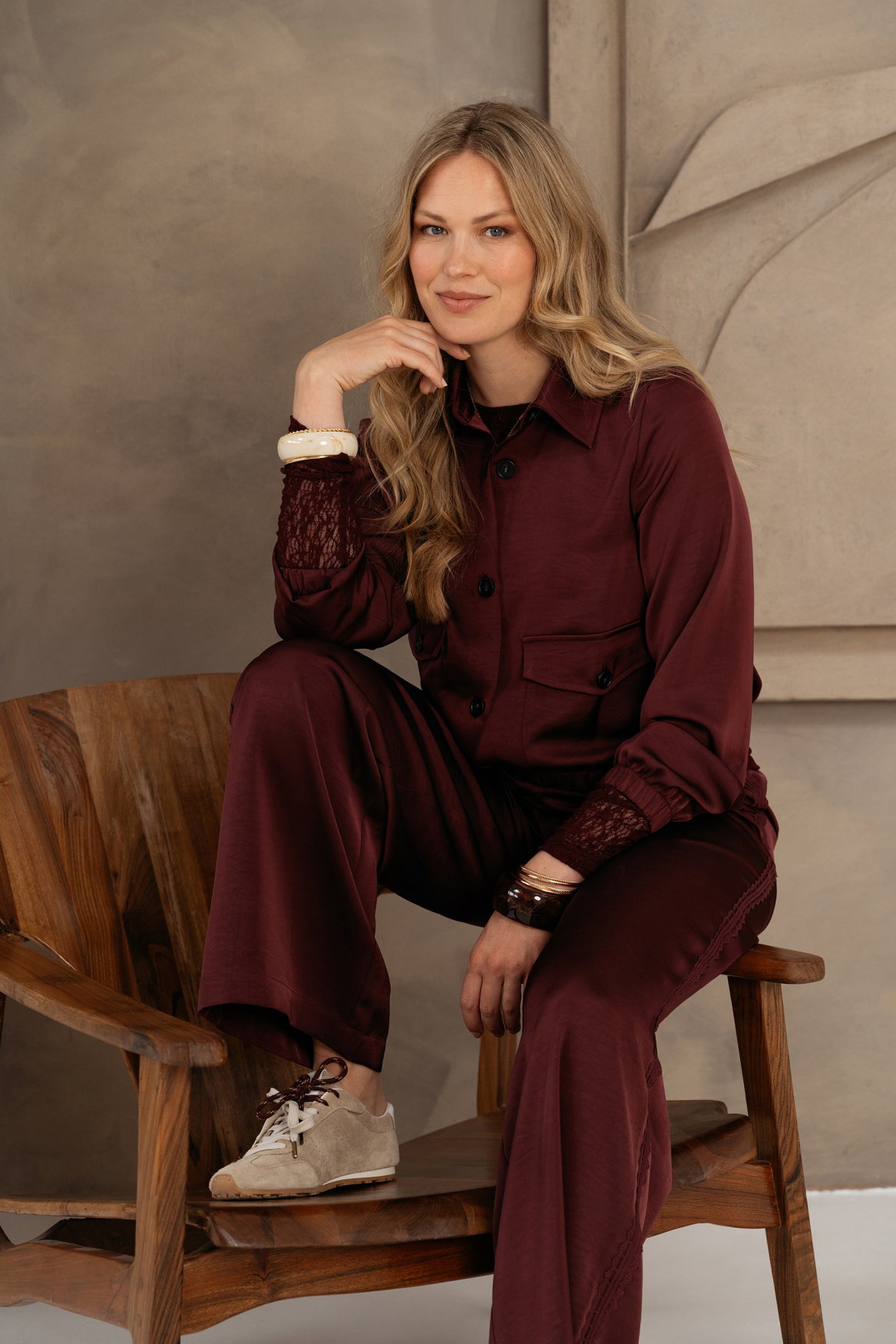
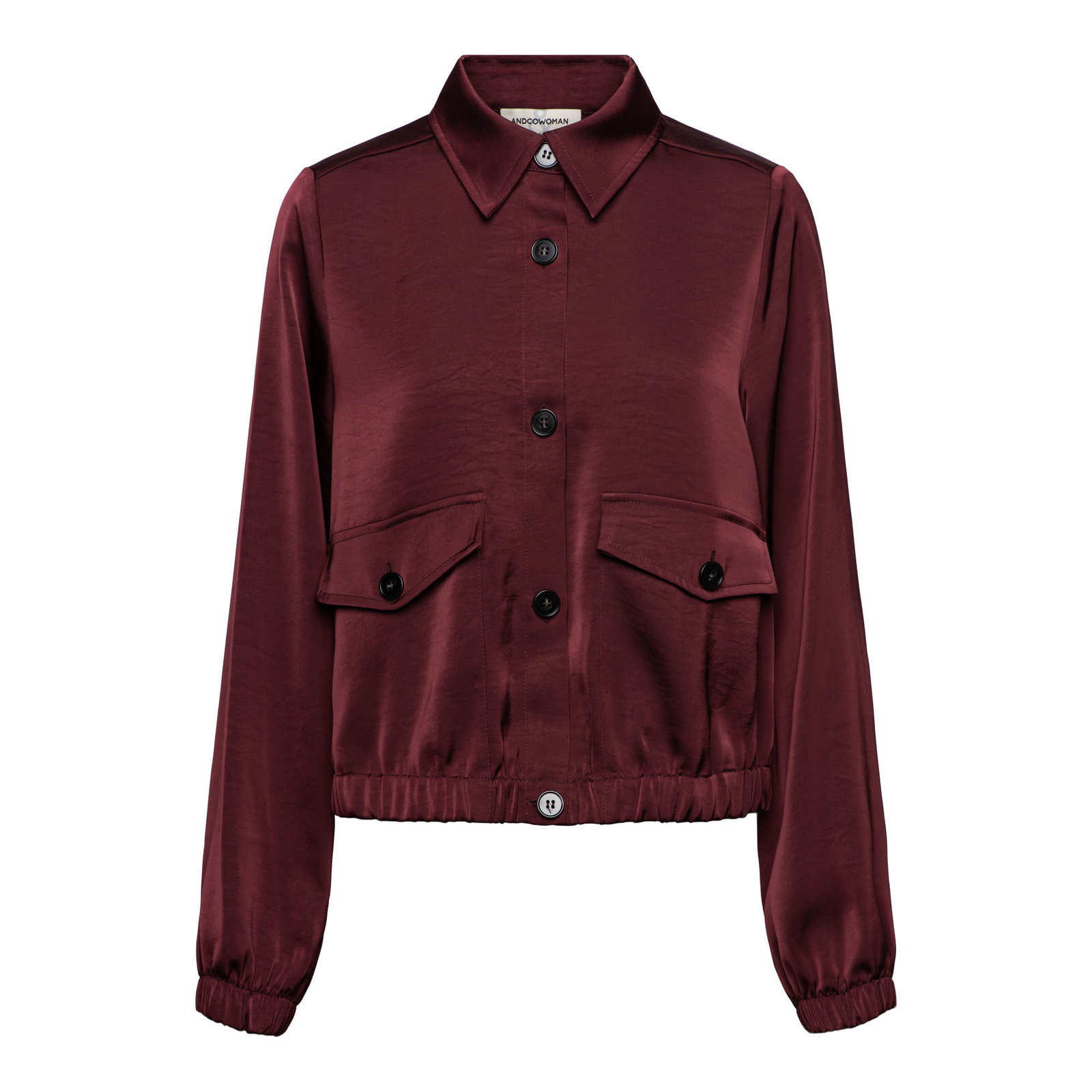
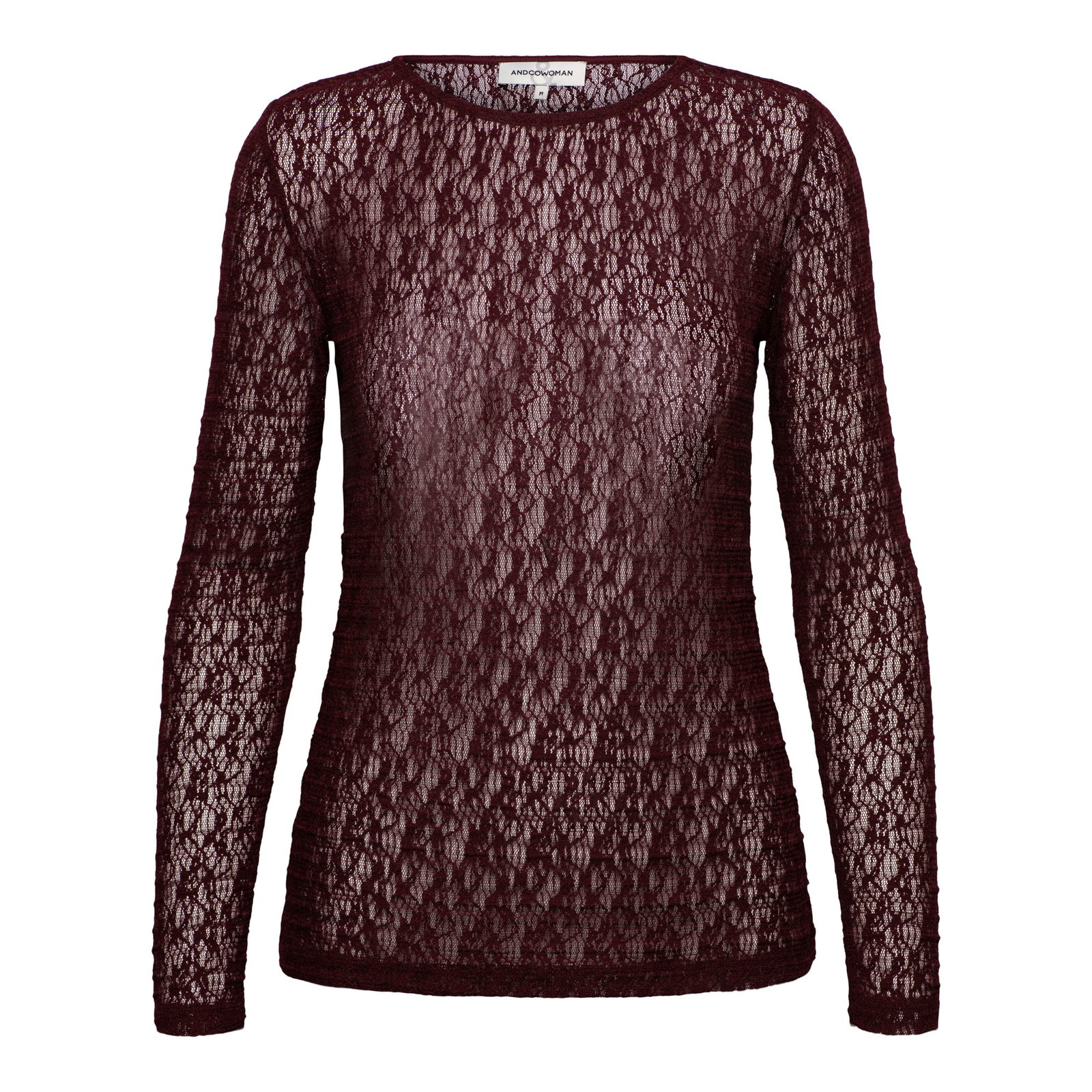
Texture is one of the most underrated tools in a wardrobe. Pair a smooth satin blouse with a rib-knit sweater, or linen pants with a silky top. It adds depth to an outfit without needing extra colors.
Accessories do a lot of the work too. A colorful scarf, a statement necklace or a bag in an accent color turns a basic outfit into something distinctive and personal. You don’t have to renew your whole wardrobe for variety. Sometimes it’s the details that make the difference.
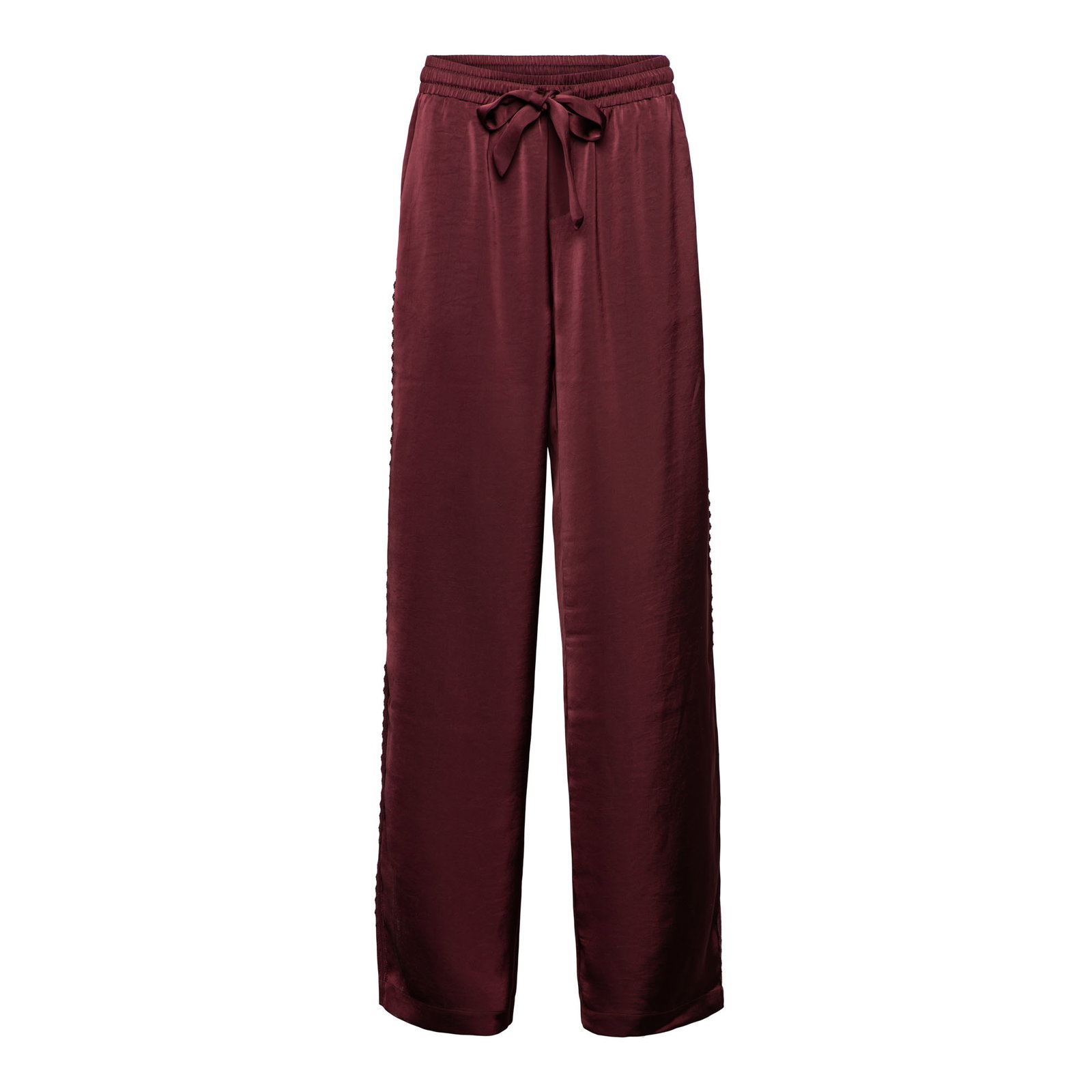
Dare to invest in one or two pieces with a slightly bolder print or color, as long as they fit within your color palette. A blouse with a delicate floral print in your neutral colors, or pants in a soft terracotta red, gives your wardrobe character without letting go of the capsule idea.
When is a piece truly right for a capsule wardrobe?
A piece is right for a capsule wardrobe if it meets three conditions: it combines with at least three other items in your wardrobe, it suits your lifestyle and it’s made from a quality material that lasts. If it doesn’t meet all three, it’s probably an impulse buy.
The three-combination test is a simple but effective way to check whether an item belongs in your capsule wardrobe. Can you pair it with pants, a dress and a skirt from your existing wardrobe? Then it’s a great addition. If you can only think of one combination, it doesn’t fit well enough.
Material also plays a big role. Cheap fabrics lose their shape and look after a few washes. That’s exactly the opposite of what a capsule wardrobe is meant to be. Choose fabrics that feel soft, drape well and are easy to care for. Think viscose with stretch, quality cotton, jersey or fine-knit wool.
Finally: ask yourself whether you’d still wear the piece five years from now. If the answer is no because it’s too trendy, it doesn’t belong in your capsule wardrobe. Trends are fun, but a capsule wardrobe is built on a timeless foundation.
How do you balance quality and budget in a capsule wardrobe?
You balance quality and budget in a capsule wardrobe by setting smart priorities: invest in the basics you wear most often and that are most visible, and be more selective with accessories and seasonal items. Not every piece needs to be expensive, but the pillars of your wardrobe deserve a bigger investment.
Think in terms of cost per wear. A 120-euro blouse you wear 80 times a year costs you less per wear than a 30-euro blouse that’s lost its shape after ten washes. In the long run, quality almost always pays off. That’s not a sales pitch, it’s simple math.
Practical tips for a mindful budget when building a capsule wardrobe:
- Start with what you already have. Take stock of your current closet and figure out what you actually wear and what you don’t.
- Add to it mindfully each season, not on impulse. A fall capsule wardrobe is best built in August or September, with a clear plan.
- Choose brands that are transparent about materials and production. That says something about both the quality and the sustainability of the piece.
- Invest the most in pants, blazers and jackets. They’re the most visible and last the longest.
- Wait for the sale for accessories and supporting pieces, but buy basics when they’re available in your size and color.
At &Co Woman, we believe a great wardrobe doesn’t have to cost as much as a new kitchen. Our collection is designed for the woman who shops mindfully, values quality and wants her clothes to truly work for her. Explore the collection and discover which pieces complete your capsule wardrobe.