
What is the difference between travel fabric and jersey?
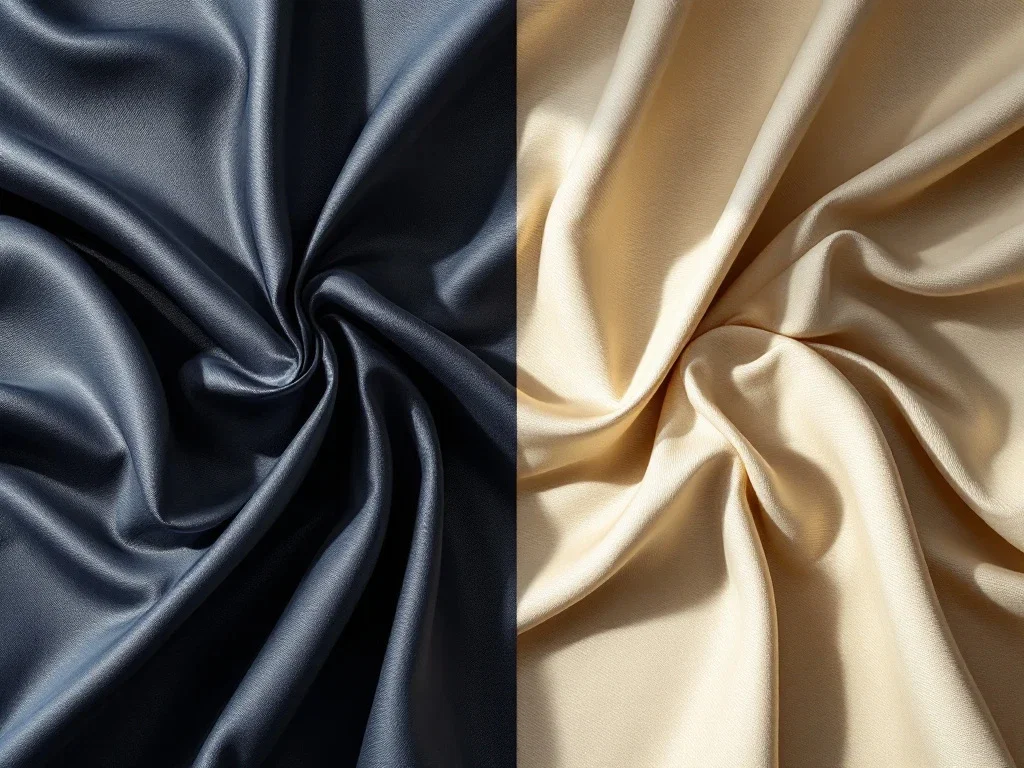
Travel fabric and jersey are two popular fabrics in the fashion industry, each with its own unique qualities. Travel fabric is a synthetic fabric, usually a blend of polyester and elastane, known for being wrinkle-free and quick-drying. Jersey, on the other hand, is a knitted fabric that can be made from various materials, such as cotton, viscose or modal, and is loved for its softness and stretch. The main difference lies in composition and structure: travel fabric is woven and synthetic, while jersey is knitted and can be made from natural or synthetic fibers.
What exactly is travel fabric and why is it so popular?
Travel fabric is an innovative synthetic fabric that usually consists of a combination of polyamide (87%) and elastane (13%). This composition gives the fabric the unique qualities it’s known for: it’s wrinkle-free, holds its shape and dries remarkably fast. The fabric breathes well, doesn’t get static, doesn’t pill and is extremely durable, so you can wear it for years.
The popularity of travel fabric comes from the ease it brings to our busy lives. Travel fabric clothing doesn’t need ironing or a tumble dryer, which saves time and is good for the environment. That makes it ideal for people who travel a lot (hence the name), but also for anyone with an active lifestyle.
Travel fabric feels comfortable on the skin and keeps its shape, even after a long day sitting at the office or on a plane. The fabric moves with you without stretching out, so pants and blazers always look polished. These practical benefits make travel fabric a favorite for workwear and travel wardrobes.
What makes jersey different from other fabrics?
Jersey is a knitted fabric that stands out because of the way it’s made. Unlike woven fabrics, jersey is created by interlocking loops of yarn, which gives it natural stretch in every direction. This technique gives jersey its signature soft feel and flexibility.
Jersey’s versatility lies in the different raw materials it can be made from. Cotton jersey is breathable and absorbs moisture well, perfect for T-shirts and casual wear. Viscose jersey has a luxurious look with a beautiful drape, ideal for dresses. Modal jersey combines softness with durability and is popular for underwear and sleepwear.
Jersey adapts to your body without feeling tight, making it comfortable for everyday wear. The fabric is easy to wash and holds its shape well, although it may pill with heavy use. Because of its knitted structure, jersey is less suited to formal wear, but perfect for relaxed, casual outfits.
What are the main differences between travel fabric and jersey?
The fundamental difference between travel fabric and jersey lies in their structure and composition. Travel fabric is a woven synthetic fabric with a tight, smooth structure, while jersey is a knitted fabric with a looser, flexible structure. These differences determine their qualities and uses in clothing.
| Feature | Travel fabric | Jersey |
|---|---|---|
| Composition | Synthetic (polyamide/elastane) | Natural or synthetic |
| Structure | Woven | Knitted |
| Wrinkling | Wrinkle-free | Can wrinkle |
| Drying time | Very fast | Average to slow |
| Care | Minimal, no ironing | Regular, sometimes needs ironing |
| Price | Higher | Varies by material |
| Suitable for | Formal and travel | Casual and comfort |
When it comes to comfort, both fabrics have advantages, just in different ways. Travel fabric keeps you dry and fresh thanks to its moisture-regulating properties, while jersey feels like a second skin because of its softness. The choice depends on your personal preference and the occasion.
Which fabric do you choose for which occasion?
For business meetings and formal occasions, travel fabric is the best choice. Travel fabric pants or a blazer look professional all day, even after hours of sitting in meetings. The fabric keeps its shape and stays wrinkle-free, giving you a polished look without any extra effort.
Jersey is perfect for casual weekends, sports and relaxed moments at home. A jersey dress or top gives you freedom of movement and comfort for a day of shopping or lunch with friends. For yoga or other workouts, jersey is ideal thanks to its stretch and the moisture-absorbing ability of cotton versions.
On vacation, you can cleverly combine both fabrics. Pack travel fabric pieces for dinners and outings when you want to look put-together, and jersey basics for beach walks and laid-back days. This mix gives you a versatile wardrobe that takes up little space in your suitcase. Think of travel fabric pants you pair with a jersey T-shirt during the day and a smart blouse in the evening.
How do you best care for travel fabric and jersey?
Travel fabric is remarkably easy to care for. Wash it at a maximum of 30 degrees Celsius on a delicate cycle and hang it up wet to dry. The fabric dries quickly and doesn’t need a tumble dryer or ironing. This saves energy and time, while the fabric keeps its elasticity.
Jersey needs a little more attention, depending on the material. Cotton jersey can usually be washed at 40 degrees, but viscose and modal call for a lower temperature. Use a detergent for delicates and avoid the dryer for synthetic jersey to prevent shrinking. To prevent pilling, wash jersey inside out and use a low spin speed.
For both fabrics: sort by color and wash similar fabrics together. Don’t use fabric softener on travel fabric, as it can affect its moisture-regulating properties. With jersey, you can use fabric softener for extra softness. Store both fabrics on a hanger or neatly folded to keep them in shape. With the right care, both fabrics will last for years.
Are travel fabric and jersey sustainable choices?
The sustainability of travel fabric lies mainly in its long lifespan. Because the fabric is very durable and keeps its shape, you need to buy new clothes less often. Its energy-saving care (no dryer or iron needed) also reduces your ecological footprint. Modern travel fabric is increasingly made with recycled materials.
Jersey made from natural fibers such as organic cotton or Tencel is an eco-friendly choice. These materials are biodegradable and are often produced sustainably. Synthetic jersey is less sustainable, but it does last longer. When shopping, look for certifications such as GOTS or OEKO-TEX, which guarantee the fabric was produced responsibly.
To shop consciously, it’s important to choose quality over quantity. Invest in well-made pieces in both fabrics that you wear often and that last. Care for your clothes according to the washing instructions and repair small damage right away. At &Co Woman, we combine the best of both worlds: high-quality travel fabric pieces that last for years and comfortable jersey basics you can wear every day, all with an eye for sustainable production and timeless design.