
What is the difference between satin and polyester satin?
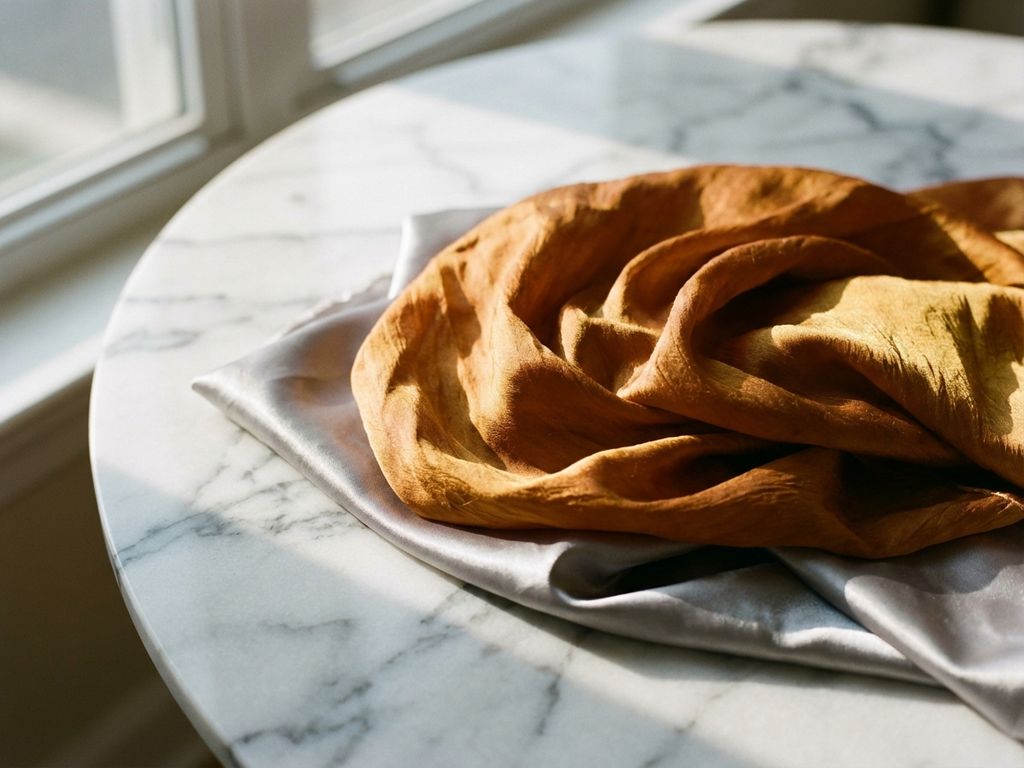
At first glance, satin and polyester satin may seem the same, but there are some important differences between these two fabrics. Satin is actually a weaving technique that creates a lustrous, smooth fabric, while polyester satin specifically refers to satin made from synthetic polyester fibers. The difference mainly comes down to the raw materials, price, wearing comfort and care properties.
What exactly is satin and how is it made?
Satin isn’t a type of fiber, but a special weaving technique in which the threads are woven to create a glossy face and a matte back. This technique can be applied to various fibers, such as silk, cotton, wool and polyester. The characteristic sheen comes from the weft threads being woven over several warp threads, which reflects light in a distinctive way.
The history of satin goes back to ancient China, where it was originally made exclusively from silk. The name comes from the Chinese port city of Zayton (now Quanzhou), from which this luxurious fabric was exported to Europe. Traditional satin is still made from natural silk, which gives it its soft feel and natural luster.
In satin production, the threads are woven in a specific pattern, usually in a four-over-one or five-over-one ratio. This means the weft thread passes over four or five warp threads before going under one. This satin weave creates the characteristic smooth surface and the typical sheen we know from satin fabrics.
What is polyester satin and why is it so popular?
Polyester satin is satin made from synthetic polyester fibers instead of natural fibers such as silk. The production process starts by melting polyester chips, which are then spun into fine threads. These threads are then woven using the satin weave technique into the glossy fabric we know as polyester satin.
The popularity of polyester satin is mainly due to its considerably lower production costs compared to silk satin. While a meter of silk satin can cost dozens of euros, polyester satin is often available for just a few euros per meter. This makes it accessible to a wide audience and suitable for mass production in the fashion industry.
Technically speaking, polyester satin has several advantages that make it attractive to clothing manufacturers. It’s wrinkle-resistant, colorfast and holds its shape well after washing. The fabric is also stronger than natural satin and less prone to damage. These properties make it ideal for everyday clothing, bedding and decorative uses where durability matters.
What are the main differences between satin and polyester satin?
The fundamental difference between traditional satin and polyester satin lies in the fibers used. Natural satin is made from silk, cotton or wool, while polyester satin consists of synthetic fibers. This difference in raw materials has a major impact on the properties, price and experience of wearing both fabrics.
In terms of price, polyester satin is significantly lower than natural satin. A silk satin blouse can cost three to ten times as much as a comparable garment in polyester satin. This price difference comes from the costly raw materials and the labor-intensive production process of natural satin.
Wearing comfort also differs considerably between the two fabrics. Natural satin is breathable and regulates body temperature well, so it feels comfortable across different seasons. Polyester satin, on the other hand, absorbs less moisture and can feel warm, especially in summer. When it comes to care, however, polyester satin is much more practical: it can simply go in the washing machine at 30 degrees, while silk satin often requires hand washing or dry cleaning.
Environmental impact is another important difference. Natural satin made from silk or cotton is biodegradable, while polyester satin is made from petroleum and doesn’t break down in nature. This makes natural satin a more sustainable choice for environmentally conscious consumers.
How can you tell real satin from polyester satin?
You can tell real satin from polyester satin with a few simple tests. The touch test is the easiest: natural satin feels cooler at first touch and slowly warms up with your body heat. Polyester satin feels warmer right away and has a more plastic feel. Also gently pull the fabric; natural satin gives less than the stretchy polyester version.
The water test also reveals differences between the fabrics. Put a drop of water on the fabric: natural satin slowly absorbs the water, while polyester satin repels it and forms little beads. This is due to the difference in moisture absorption between natural and synthetic fibers.
For a definitive test, you can do a burn test on a small, inconspicuous piece of fabric. Natural silk satin burns slowly, smells like burnt hair and leaves a soft, crumbly ash. Polyester satin melts, smells chemical and forms a hard bead. Please note: only perform this test in a safe environment.
There are also visual characteristics that help you tell them apart. Natural satin often has a subtler, deeper sheen, while polyester satin has a more pronounced, sometimes almost metallic shine. Also check the label: look for terms such as “100% zijde”, “pure silk” or “100% polyester” to be sure of the composition.
Which fabric is better for clothing: satin or polyester satin?
The choice between satin and polyester satin depends largely on how you’ll use it and your personal preferences. For special occasions and luxurious pieces, natural satin is often the best choice thanks to its superior comfort and elegant look. For everyday clothing that needs frequent washing, polyester satin offers practical advantages such as easy care and affordability.
For summer clothing, natural satin is usually more comfortable because it’s breathable and absorbs moisture. It keeps you cool on warm days and helps prevent you from sweating quickly. Polyester satin can feel uncomfortably warm in summer and is therefore better suited to colder seasons or as an outer layer.
The lifespan of the two fabrics also differs. Polyester satin is stronger and keeps its shape and color longer, even after frequent washing. Natural satin is more delicate, but with proper care it can last for generations. For workwear or children’s clothing, polyester satin is often more practical, while natural satin is perfect for special pieces you want to keep for a long time.
Also consider your budget and environmental awareness when choosing. Polyester satin is budget-friendly but has a greater environmental impact. Natural satin is an investment, but offers superior quality and is more eco-friendly. For many people, a combination is ideal: polyester satin for everyday wear and natural satin for special pieces.
How do you best care for satin and polyester satin?
Caring for satin and polyester satin differs considerably. Polyester satin is the easiest to care for: wash it at 30 degrees in the washing machine on a delicate cycle. Use a mild detergent without bleach and avoid the dryer to preserve the sheen. Hang the garment up while wet to prevent wrinkles.
Natural satin needs more care. Preferably hand wash silk satin in lukewarm water with a special silk detergent. Never wring the fabric, but gently press the water out. Roll the garment in a towel to remove excess moisture and let it dry flat, out of direct sunlight.
Different rules apply to ironing. Polyester satin can be ironed at a low temperature, preferably with a cloth in between. Iron natural satin on the lowest setting while the fabric is still slightly damp, always on the matte side. Never use steam on silk satin, as it can cause water stains.
When storing satin clothing, it’s important to prevent wrinkles. Hang garments on padded hangers and give them enough space in your closet. Fold satin as little as possible; if you have to, place tissue paper between the folds. Protect natural satin from moths with lavender or cedarwood blocks and store it in a cotton garment bag for extra protection.
How does &Co Woman help with high-quality satin fabrics?
&Co Woman offers a carefully curated collection of satin pieces that combine the best of both worlds. Our focus is on sustainable materials and responsible production, choosing fabrics that last and feel great to wear. In our collection, you’ll find both natural and high-quality synthetic satin fabrics, each selected for quality and comfort.
Our satin pieces stand out thanks to:
- Strict quality control on sheen, drape and durability
- All-day comfort guarantee
- Clear care instructions with every garment
- Versatile designs, suitable for different occasions
- Honest advice on the best fabric choice for your situation
Whether you choose an elegant satin blouse for an important meeting or comfortable polyester satin pants for everyday wear, at &Co Woman you’ll find quality that fits your life. Our stylists are happy to give you personal advice on which satin fabric best suits your wishes.
Discover our satin collection and experience the difference of our carefully selected fabrics for yourself. Visit our shop or one of our retailers for expert advice on the perfect satin outfit for every occasion.