
What is the difference between heavy travel and wool?
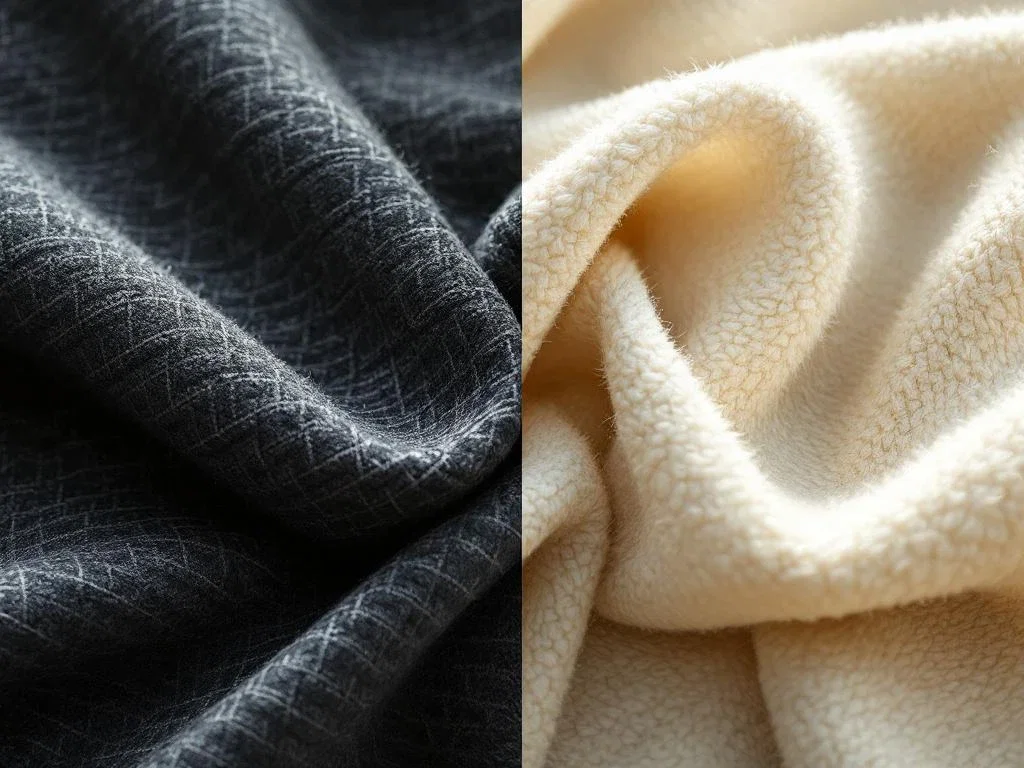
Heavy travel and wool are two completely different fabrics, each with their own unique properties. Heavy travel is a modern synthetic fabric made from polyamide and elastane, known for its wrinkle-resistant properties and practical advantages. Wool, on the other hand, is a natural fiber sourced from sheep, goats, or other animals, valued for its heat-insulating properties and natural breathability. Both fabrics have their place in the wardrobe, but the choice depends on your personal preferences and lifestyle.
What exactly are heavy travel and wool?
Heavy travel is an innovative synthetic fabric consisting of a blend of 86% polyamide and 14% elastane. This modern fabric composition provides excellent stretch, shape retention, and a heavier quality than regular travel fabrics. The fabric dries quickly, is completely wrinkle-free, and does not require ironing, making it ideal for busy lifestyles.
Wool, on the other hand, is a natural fiber that has been used for clothing for thousands of years. It comes mainly from sheep, but also from goats (cashmere), rabbits (angora), and llamas (alpaca). Each type of wool has its own characteristics: merino wool, for example, is much softer and finer than regular sheep's wool, while cashmere is known for its luxurious softness.
The production process differs greatly between the two fabrics. Heavy travel is produced in modern textile factories using advanced techniques that ensure consistent quality. Wool, on the other hand, follows a traditional process of shearing, washing, spinning, and weaving, which preserves the natural properties of the fiber.
How do heavy travel and wool feel on your skin?
Heavy travel feels smooth and light on the skin, despite its name, which refers to the thicker quality of the fabric. The material is non-static, does not pill, and is surprisingly breathable for a synthetic fabric. The smooth texture ensures that clothing glides smoothly over your skin without irritation.
Wool has a very different texture that varies depending on the type of wool. Regular sheep's wool can feel a little rougher and cause itching for some people, especially around the neck and wrists. Finer types of wool, such as merino wool, are much softer and are often considered comfortable, even by people with sensitive skin.
Both fabrics have interesting properties when it comes to moisture management. Heavy travel quickly transports moisture away from the body, keeping you dry during activities. Wool can absorb up to 30% of its own weight in moisture without feeling wet, making it ideal for changing temperatures. The main difference is how quickly they dry: heavy travel dries much faster than wool.
Which fabric is best for different seasons?
Heavy travel is a true all-season fabric thanks to its temperature-regulating properties. In summer, it keeps you cool by quickly wicking away moisture, while in winter, the fabric forms a protective layer. Its versatility makes it perfect for the Dutch climate with its changeable weather.
Wool is traditionally considered a winter material because of its excellent insulating properties. The natural structure of wool fibers creates air pockets that trap heat. But surprisingly, thin merino wool is also suitable for summer. It regulates your body temperature by keeping you cool when it's hot and warm when it's cold.


Both fabrics offer advantages for transitional seasons such as spring and fall. Heavy travel is ideal for these periods because you don't need different layers of clothing—the fabric adapts to the temperature. Lighter-weight wool also works well, especially when combined with other materials for optimal comfort.
What is the best way to care for heavy travel and wool?
Maintaining Heavy Travel is amazingly easy. You can simply put it in the washing machine on a 30-degree delicate cycle, it dries quickly in the air and does not need to be tumble dried or ironed. This not only saves time but is also better for the environment due to lower energy consumption.
Wool requires more care. Most wool garments must be washed by hand or on a special wool cycle at a low temperature. Always use a wool detergent that protects the natural lanolin in the fibers. After washing, wool should be laid flat to dry to prevent deformation.
An important difference is the frequency of washing. Heavy travel can be washed after every wear without compromising quality. Wool, on the other hand, has antibacterial properties and needs to be washed much less often—often airing it out is sufficient. This makes wool sustainable in use despite the more intensive washing process.
What are the advantages and disadvantages for daily use?
Heavy travel scores high on practicality with its wrinkle-free properties and quick drying time. You can take it out of the closet in the morning and it will always look neat. Its durable quality means that clothing will last for years without losing its shape. The only downside is that it is a synthetic material, which may be a drawback for people who prefer natural fabrics.
Wool offers natural advantages such as temperature regulation and odor-resistant properties. It is biodegradable and therefore more environmentally friendly at the end of its life. The disadvantages are that it requires more intensive care, may cause itching on sensitive skin, and is susceptible to moths. Wool is also often more expensive to purchase than synthetic alternatives.
For everyday use, the best choice depends on your priorities. If you don't have much time for clothing maintenance and always want to look your best, heavy travel is ideal. If you value natural materials and are willing to take extra care of your clothes, wool is an excellent choice.
Which fabric best suits your lifestyle?
For active people with busy schedules, heavy travel is often the best choice. You throw it in the wash, hang it up, and it's ready to wear—perfect for those who have little time for clothing maintenance. Its wrinkle-free properties make it ideal for travel or long workdays when you want to look your best.
Nature lovers and people who make conscious choices about materials often opt for wool. Despite the extra maintenance, they appreciate its natural properties and comfort. If you are willing to invest in quality and take good care of your clothes, wool offers unique advantages that synthetic fabrics cannot match.
Ultimately, there is no right or wrong—both fabrics have their place in a modern wardrobe. Many people opt for a combination: heavy travel for everyday workwear and sporty outfits, wool for special occasions and weekend wear.
How &Co Woman helps you choose the right fabric
At &Co Woman, we understand that every woman has unique preferences when it comes to fabrics and comfort. That's why we offer both high-quality heavy travel and wool garments, so you can always make the perfect choice for your lifestyle. Our collection includes:
- Heavy travel essentials for the busy working woman who values her clothes always looking perfect
- Wool statement pieces for special occasions where natural comfort is paramount
- Mix and match options to stylishly combine both fabrics in one outfit
- Personal advice from our stylists on which fabric best suits your daily routine
Discover our extensive collection and experience the difference between these two exceptional fabrics for yourself. Shop online now or visit our showroom for personal advice —we are happy to help you put together the perfect wardrobe that suits your lifestyle.
Frequently Asked Questions
Can I put heavy travel clothing in the dryer if I'm in a hurry?
Hoewel heavy travel snel aan de lucht droogt, kun je het indien nodig op een laag programma in de droger doen. De stof is bestand tegen lage droogtemperaturen, maar aan de lucht drogen blijft de beste optie om de elasticiteit en kwaliteit optimaal te behouden. Door de snelle droogtijd is een droger meestal niet nodig – binnen enkele uren is je kleding weer draagbaar.
How can I prevent my woolen clothing from being damaged by moths?
Always store woolen clothing in a clean, well-ventilated closet, as moths are attracted to sweat and skin flakes. Use natural moth repellents such as cedar wood hangers, lavender sachets, or cloves. Pack seasonal clothing in airtight bags with a few dry bay leaves and check your woolen items regularly for small holes.
Is it possible to shorten or entertain heavy travel yourself?
Yes, heavy travel fabric can be altered by a tailor despite the elastane in the fabric. Be sure to use a special stretch needle and zigzag stitch to maintain elasticity. The material does not fray, which makes altering easier. Many tailors are familiar with this modern fabric and can make professional alterations without affecting the fit.
Which fabric is better for people with allergies or sensitive skin?
For people with a wool allergy, heavy travel is the safe choice because it is hypoallergenic and does not contain natural proteins that can cause allergic reactions. For sensitive skin without a specific wool allergy, fine merino wool can actually be very pleasant. Always test new clothing briefly first to see how your skin reacts, especially in sensitive areas such as the neck and wrists.
How long do heavy travel and wool garments last on average?
With normal use and care, heavy travel clothing will easily last 5-7 years without losing its shape or color. High-quality wool can even last 10-15 years if properly cared for, although it may pill over time. Investing in both fabrics is therefore worthwhile in the long term, with heavy travel requiring less maintenance but wool retaining its natural properties for longer.
Can I combine heavy travel and wool in one outfit?
Absoluut! Het combineren van heavy travel en wol kan juist heel stijlvol zijn en praktische voordelen bieden. Draag bijvoorbeeld een wollen blazer over een heavy travel top voor het beste van beide werelden. Let wel op dat je bij het wassen de kledingstukken scheidt, aangezien ze verschillende wastemperaturen en -programma’s vereisen. Deze combinatie is perfect voor het Nederlandse klimaat met zijn wisselende temperaturen.