
What is the difference between plus sizes and regular sizes?
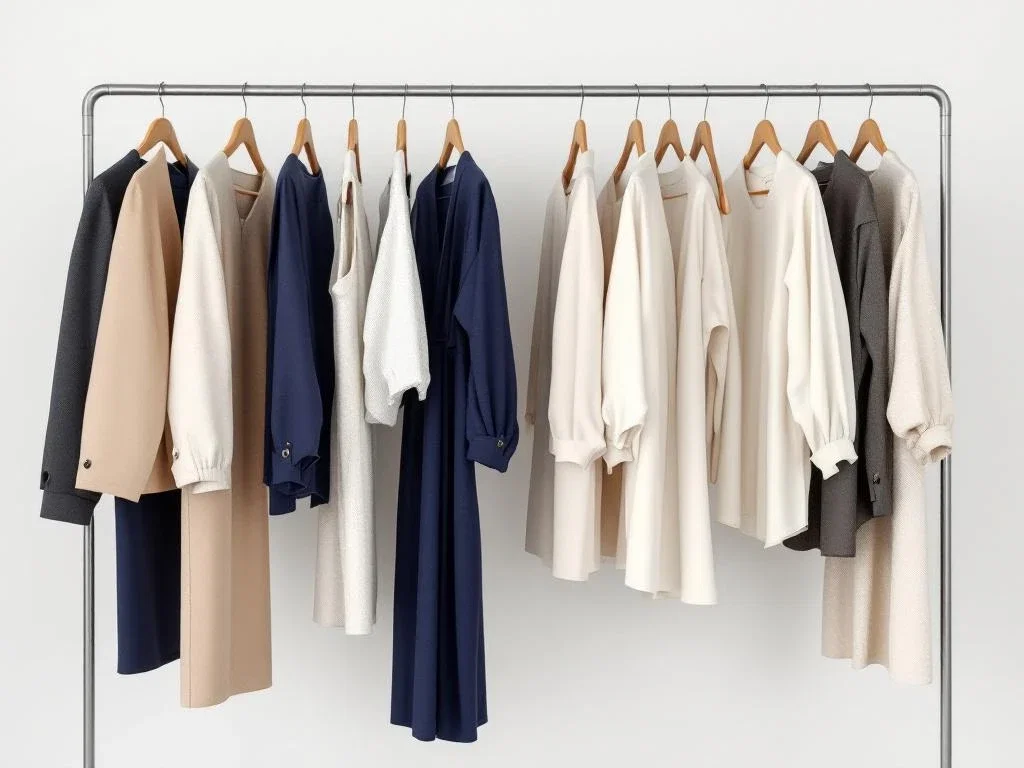
The difference between plus sizes and regular sizes isn’t just about measurements, but above all about the proportional adjustments that are made. Regular sizes usually go up to size 42 or 44, while plus sizes start from size 44/46. The key difference is that plus sizes are designed with different proportions in the shoulders, waist, hips and length to better suit different body types.
What exactly are plus sizes?
Plus sizes, also called curvy sizes, are clothing sizes designed specifically for women with a fuller figure. In the fashion industry, sizes from size 44 up are usually considered plus sizes, although this can vary by brand. Some brands use size 42 as the starting point, while others only begin at size 46.
Sizing for plus sizes works differently than for regular sizes. Where regular sizes often run from XS to XL (size 34 to 42), plus sizes usually start at XXL and go up to 3XL, 4XL or even higher. This corresponds to sizes 44 to 56 or more.
The different names can be confusing. Plus size is the international term, curvy is often used for clothing that emphasizes your curves, and “grote maten” is the Dutch term. They all refer to the same thing: clothing designed with the right proportions for fuller figures.
How do plus sizes differ from regular sizes in fit?
The fit of plus sizes differs considerably from regular sizes thanks to proportional adjustments at various points. With plus sizes, every measurement isn’t simply made bigger; the proportions are adapted to the natural shape of the body.
At the shoulders, a broader shoulder line is taken into account, with the armholes enlarged proportionally as well. The waist isn’t just made wider; the waist height is often raised slightly, because the natural waist on fuller figures usually sits higher. The hips are made roomier, with extra space for the seat and thighs.
The length is adjusted too. Tops and dresses get extra length in the front panel so they drape beautifully over the tummy. Sleeves are made not only wider but also longer. Pants get a higher rise and extra room in the seat. These adjustments make sure your clothes don’t pull or feel uncomfortable.
The choice of fabric also plays an important role. For plus sizes, fabrics with more stretch are often chosen, like the travel quality you’ll find in our pants. A blend of, for example, 87% polyamide and 13% elastane offers comfort and freedom of movement without the garment losing its shape.
Why is there separate sizing for plus sizes?
Separate sizing for plus sizes is needed because body proportions change as sizes go up. It isn’t as simple as scaling a size 38 up to a size 48. The ratios between bust, waist and hips change, as does the distribution of body volume.
When making patterns for plus sizes, these changing proportions have to be taken into account. A woman who wears a size 48 doesn’t just have a larger bust; she often also has fuller upper arms, a different shoulder line and a differently shaped back. The pattern has to be adjusted at all of these points.
Simply scaling up doesn’t work, because it would result in clothing that’s too roomy in some places and too tight in others. A dress that fits perfectly in a size 38 might, scaled up to a size 48, become too long, too wide in the shoulders or too snug at the waist. That’s why designers develop separate patterns for plus sizes.
The cut also has to be adapted to the way fabric drapes on fuller figures. Extra seams, different placement of piping and adjusted hem and neckline finishes make sure the garment drapes beautifully and flatters your figure.
Which size do I need: regular or plus?
To find out whether you need regular sizes or plus sizes, start by measuring your body correctly. Measure your bust at its fullest point (usually while wearing a bra), your waist at its narrowest point, and your hips at their fullest point. Note these measurements in centimeters.
Compare your measurements with the size chart of the brand you’d like to buy from. A bust of 92-94 cm, for example, corresponds to size L (size 42), while 96-98 cm is already XL (size 44). With a bust of 100-102 cm or more, you usually fall into the plus size category (XXL/size 46).
Keep in mind that sizes can vary by brand. Some brands run larger, others smaller. At the transition between regular and plus sizes, for example between size 42 and 44, it can help to try on both. Choose the size you feel most comfortable in and in which the garment drapes beautifully without pulling or sagging.
Fitting tips:
- Always try clothes on with the type of underwear you normally wear
- Move around in the fitting room: sit, bend and stretch your arms
- Watch for tension at buttons or zippers
- Check that the seams sit in the right place
What should you look for when buying plus sizes?
When buying plus sizes, fabric quality is extra important. Choose sturdy fabrics with good recovery, such as travel qualities with elastane. These fabrics hold their shape better and last longer. Avoid fabrics that are too thin, as they can be see-through or stretch out quickly.
Pay attention to the finish of seams and hems. With plus sizes, there’s more tension on the seams, so a good finish matters. Double-stitched seams, reinforcement at stress points such as pockets and a solid hem finish make all the difference in durability.
Different pieces work well for different body types:
- Apple shape: tops and dresses with an empire waist, A-line
- Pear shape: blazers that end at the hip, bootcut pants
- Hourglass figure: tailored clothing that accentuates your shape
- Rectangle figure: clothing with details at the bust and hips
Choose versatile basics you can mix and match. A good pair of pants in travel quality, a well-fitting blazer and a few tops in neutral colors form the foundation of a functional wardrobe. It’s better to invest in a few quality pieces than in lots of cheap items.
The key differences between plus and regular sizes at a glance
The key differences between plus sizes and regular sizes lie in the proportional adjustments, not just in the measurements. Plus sizes have adapted patterns with different proportions in the shoulders, waist, hips and lengths. They often use stronger fabrics with more stretch and have reinforced seams at critical points.
Practical takeaways for finding clothes that fit well:
- Measure yourself regularly, because bodies change
- Always use the size chart of the specific brand
- Invest in quality over quantity
- Look for brands that specialize in your size
- Let the fit guide you, not the size label
Most important of all is choosing clothes you feel comfortable and confident in. Whether you wear regular sizes or plus sizes, the right fit makes all the difference. Good clothing should support you in your daily life without you having to think about it. That’s why it’s so important to know where you can shop for quality clothing that suits you.
At & Co Woman, we understand that every woman is unique. Our collection is designed with different body types and sizes in mind, where comfort and style go hand in hand. Because whatever your day brings, with the right fit you’re ready for it. Discover our shop and experience the difference of well-fitting clothing for yourself.