
What is the difference between a stretch dress and a regular dress?
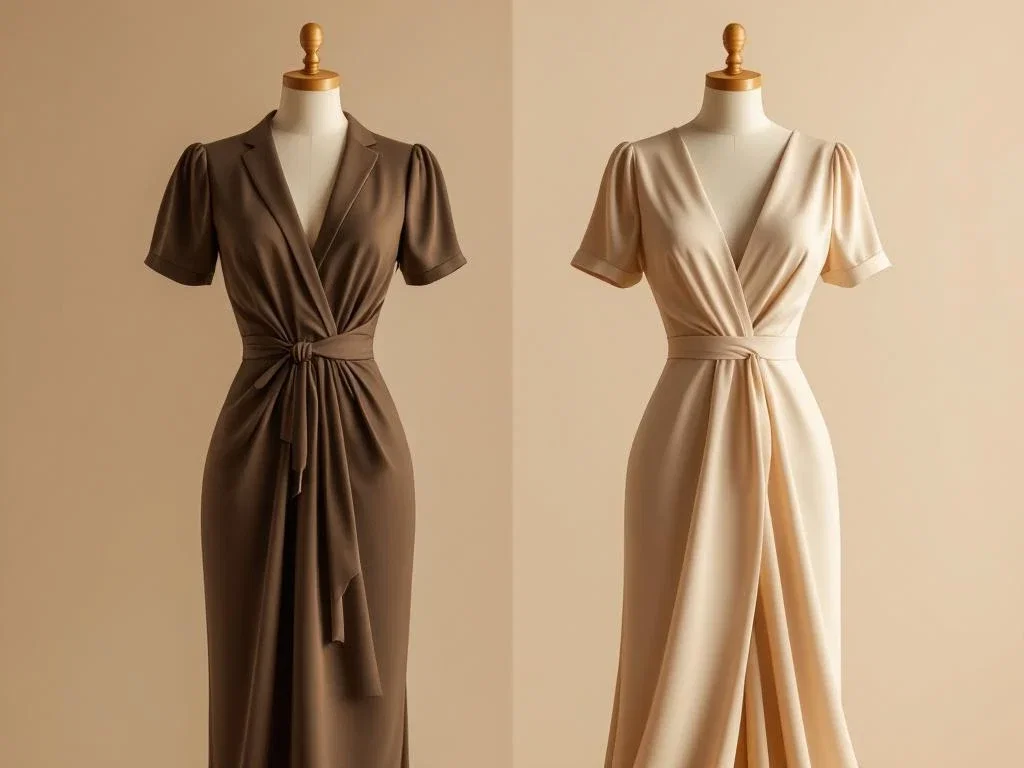
The main difference between a stretch dress and a regular dress lies in the fabric composition and fit. A stretch dress contains elastic fibers such as elastane, lycra or spandex that make the fabric stretchy, while a regular dress is usually made from non-elastic materials such as cotton, linen or polyester without stretch. This difference affects how the dress hugs your body, moves with you and how comfortable it feels throughout the day.
What exactly is a stretch dress and how do you recognize one?
A stretch dress is a dress that contains elastic fibers, usually between 5% and 20% elastane, lycra or spandex. This addition makes the fabric stretch in several directions, so the dress adapts to your body shape. You can recognize a stretch dress by gently pulling on the fabric – it stretches and immediately springs back to its original shape.
The most common material combinations are cotton with elastane, viscose with elastane (such as a viscose jersey quality with 9% elastane), or polyester with spandex. The care label always lists the exact composition. Another characteristic is that stretch dresses often have a closer fit than regular dresses, because the fabric gives with your movements.
In the store, you can recognize a stretch dress by taking the fabric between your fingers and gently pulling it apart. Do you feel resistance and does the fabric spring right back? Then it contains stretch. The description on the label also tells you – terms like ‘jersey’, ‘stretch’ or the percentage of elastane point to a stretch dress.
What are the main differences in fit between stretch and regular dresses?
Stretch dresses fit closer to the body because the elastic fibers help the fabric hold its shape. They emphasize your natural curves without feeling tight, while regular dresses fall more loosely and need more room for freedom of movement. A stretch dress adapts to different parts of your body – narrower at the waist, wider at the hips – without this having to be cut into the pattern.
You’ll also notice differences in sizing. A stretch dress in size M can fit comfortably on different body types within that size range, because the fabric stretches. With a regular dress, the size needs to be more precise, since the fabric doesn’t give. That’s why regular dresses often come in more sizes or a roomier cut.
The key difference in how they drape on your body: stretch dresses move with you and keep their shape, while regular dresses ‘hang’ more and get their shape from the cut and weight of the fabric. This makes stretch dresses ideal for active days, while regular dresses often look more elegant at formal occasions.
When do you choose a stretch dress and when a regular dress?
For work and long days, a stretch dress is often the best choice. The flexible fabric moves with you as you sit, stand and walk, so you feel comfortable all day long. Stretch dresses are also practical for casual occasions, sporty activities or travel – they wrinkle less and keep their shape better.
Regular dresses truly shine at special occasions such as weddings, galas or business events where a more structured look is desired. Fabrics like silk, chiffon or linen without stretch have a luxurious look that stretch fabrics can’t always match. In summer, regular dresses made from natural materials are often cooler, too.
Seasonally, both types offer different options. In winter, denser stretch dresses provide warmth and comfort, while airy regular dresses in cotton or linen keep you cool in summer. For the in-between seasons, stretch dresses are more versatile because you can easily layer underneath them.
What about comfort and freedom of movement with both types of dresses?
Stretch dresses offer superior freedom of movement because the elastic fibers give with every move. Whether you crouch to pick something up, climb the stairs or sit at a desk all day – the dress adapts without pinching or riding up. This comfort lasts all day because the fabric holds its shape.
Regular dresses make up for the lack of stretch with a roomier cut or strategically placed pleats and seams. Comfort depends heavily on the quality of the cut and the chosen material. Natural fibers such as cotton and linen breathe better than synthetic fabrics, which is especially important in warm weather.
Both types feel different on the skin. Stretch fabrics sit closer to the skin, but modern materials such as travel quality (87% polyamide, 13% elastane) are designed to wick moisture and be breathable. Regular dresses often feel ‘airier’ because there is more space between fabric and skin, but they can cling or shift as you move.
What are the pros and cons of stretch dresses versus regular dresses?
Advantages of stretch dresses are their styling versatility, shape retention after washing, and wrinkle resistance. They suit different body types within the same size and are ideal for travel. The elastic fibers ensure the dress returns to its original shape after a day of wear.
Disadvantages of stretch dresses can be that they lose their elasticity over time, especially with frequent washing at high temperatures. Cheaper stretch fabrics can also pill or bag. Some people find the close fit less flattering or comfortable than a looser dress.
Regular dresses have the advantage that natural materials are often more durable and retain their quality longer. They have a timeless look and are often more elegant in luxurious fabrics. The downside is that they require more care – ironing is often needed – and they wrinkle more easily. They also offer less flexibility in fit and movement.
How do you care for stretch dresses differently than regular dresses?
Stretch dresses are best washed at 30 degrees on a delicate cycle to protect the elastic fibers. Don’t use fabric softener, as it can affect the elasticity. Avoid the dryer – the heat permanently damages elastane. Hang stretch dresses up wet so they dry in shape, preferably on a hanger to prevent stretching.
Regular dresses can often be washed at higher temperatures, depending on the material. Cotton and linen can handle 40 to 60 degrees, but always check the care label. These dresses can often go in the dryer on low heat. Regular dresses need ironing more often – use the right temperature for the material.
When it comes to storage: stretch dresses are best hung up to keep their shape and prevent creases in the fabric. Regular dresses in heavy fabrics are better stored folded to prevent stretching at the shoulders. Use garment bags for both types to keep them dust-free, and avoid direct sunlight to prevent fading.
You can extend the life of both types of dresses by not washing them more often than necessary, treating stains right away, and rotating your wardrobe so no single dress is worn too often. With the right care, both stretch and regular dresses will last for years and keep looking beautiful.
How &Co Woman helps you choose the perfect dress
&Co Woman offers a carefully curated collection of both stretch and regular dresses to meet every need. Whether you choose the comfort of a stretch dress or the elegance of a regular dress, both have their place in a versatile wardrobe. In our shop you’ll find:
- High-quality stretch dresses in travel quality that are perfect for work and travel
- Elegant regular dresses in natural materials for special occasions
- Extensive size charts and fit guidance to help you choose the right size
- Detailed product descriptions with material composition and care instructions
- Personal advice from stylists to find the perfect dress for your lifestyle
Most important is that you feel good in it and that the dress suits your lifestyle and the occasions you’ll wear it for. Discover the &Co Woman collection and find the dress that’s perfect for you – from comfortable stretch dresses for every day to elegant regular dresses for special moments.
Frequently Asked Questions
How do I know which size to choose for a stretch dress versus a regular dress?
With stretch dresses, you can often stick to your usual size because the fabric stretches and adapts to your body. For regular dresses, it’s wise to follow the size chart carefully or size up if in doubt, especially with close-fitting styles. Always measure your bust, waist and hips and compare them with the size chart of the specific brand.
Can I have a stretch dress altered or taken in by a tailor?
Yes, but altering stretch dresses requires special techniques and a serger or special stretch stitches. Not all tailors have experience with stretch fabrics, so ask in advance. Taking in a stretch dress is usually easier than letting it out, because the elastic fibers can lose their shape with too many alterations.
Why does my stretch dress get looser after a while and how do I prevent this?
Elastic fibers gradually lose their stretch due to heat, improper washing and natural wear. Prevent this by always washing at a low temperature (maximum 30 degrees), avoiding the dryer, and gently squeezing the dress instead of wringing it out. Invest in quality dresses with a higher percentage of elastane (at least 10%) for better shape retention.
Which slip or shapewear works best under a stretch dress?
Under a stretch dress, seamless shapewear is ideal because it doesn’t create visible lines. Choose smooth, thin materials without seams or lace edges. For regular dresses, you can use traditional slips, but make sure the length is right and the slip doesn’t peek out. With sheer fabrics, a slip dress in the same color as your skin is the most invisible.
How do I style a stretch dress for business without it looking too casual?
Choose a stretch dress in a dark, solid color without bold prints and pair it with a structured blazer for a professional look. Add classic pumps or loafers and opt for minimalist accessories. A belt can help emphasize the waist and create a more polished look. Avoid styles that are too tight and choose knee length or longer.
Is it possible to add stretch to a regular dress myself?
No, you can’t add stretch to existing fabric because elastic fibers have to be incorporated into the fabric during weaving or knitting. You can, however, make a regular dress more wearable by adding elastic inserts in strategic places such as the waist, or by adapting the dress with a zipper or button closure for more freedom of movement.
How long does a quality stretch dress last compared to a regular dress?
With proper care, a high-quality stretch dress lasts 3-5 years with regular wear, while a quality regular dress in natural materials can last as long as 5-10 years. The lifespan depends heavily on fabric quality, washing frequency and how you wear the dress. Rotate your dresses and wash them only when needed to keep both types looking beautiful longer.