
What to do when workwear falls between two sizes?
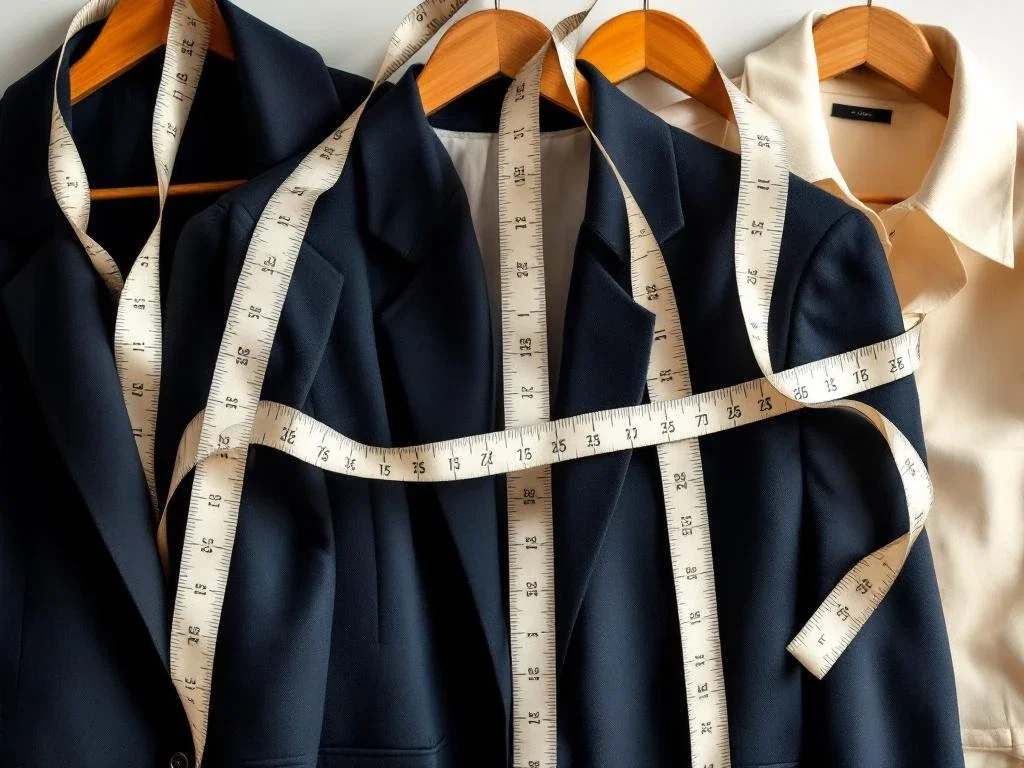
If your workwear falls between two sizes, it’s usually best to choose the larger size and adjust it with belts, suspenders, or small alterations. Measure yourself at three key points (bust, waist, hips) and compare these with the size chart of the specific brand, since every manufacturer uses different standards. Also consider fabrics with stretch or styles with adjustable details for more flexibility. In this guide, we discuss practical solutions to this common problem.
Why does workwear often fall between two sizes?
Workwear often falls between two sizes because manufacturers use standardized sizing that doesn’t suit every body. The fashion industry works with average proportions, where a size M, for example, assumes a bust of 88-90 cm, a waist of 72-74 cm, and hips of 100-102 cm. Your body, however, may have very different proportions.
On top of that, different brands use their own size charts. Where a size L fits you perfectly at one brand, the same size at another brand may be too tight or too loose. This is because manufacturers have different fits and target groups in mind. Dutch brands often use different starting points than, say, Italian or Asian producers.
Workwear has to meet different demands than casual wear. You need freedom of movement for your daily tasks, but at the same time you want to look professional. Manufacturers therefore often strike a compromise between comfort and a polished look, which means the fit isn’t quite ideal for some body types. A blazer that sits perfectly on your shoulders, for example, may be too tight around your waist.
How do you determine which size fits best when you’re between two sizes?
Measure yourself at three key points: your bust at its fullest point (wearing a bra), your waist at its narrowest, and your hips at their widest. Compare these measurements with the size chart of the specific brand and choose the size that matches most of them. If you’re in doubt between two sizes, go for the larger size if you move around a lot at work.
For comfortable workwear, the shoulders and bust are the most important measurements for blazers and blouses. These areas are difficult to alter, so the fit needs to be right here. For pants and skirts, the hip measurement is decisive, since the waist is often easier to adjust with a belt or by having a tailor take it in.
Also think about how you wear your workwear. Do you often wear a cardigan under your blazer? Then choose the larger size. Do you sit a lot at work? Then extra room around the waist is important for comfort. Are you on your feet or walking around a lot? Then your clothes can fit a bit more snugly without pinching. Test this by bending over, stretching your arms, and sitting down when trying things on.
What are the best adjustments for workwear that doesn’t quite fit?
Simple adjustments you can make yourself include wearing a good belt with pants that are too loose at the waist, or adjustable suspenders for extra support. With blazers, you can move the buttons for a better closure, or wear a vest underneath if the blazer is too roomy. Use fashion tape to keep blouses in place when the neckline is too wide.
For professional alterations at a tailor, the following are the most effective:
- Taking in the waist of pants and blazers (usually possible up to 4 cm)
- Shortening sleeves and pant legs for the right length
- Adjusting the shoulder line of blazers (more complex but very effective)
- Adding extra closures or adjustable details
Temporary solutions for instant comfort include shapewear under clothes that are too loose, a beautiful belt over a dress that’s too wide, or an elegant cardigan over a blouse that’s just a little too tight. These quick fixes get you through the day while you look for a permanent solution.
Which fabrics and styles are most flexible when it comes to sizing issues?
Fabrics with a percentage of elastane (usually 2-13%) offer the most flexibility without losing their shape. Travel fabrics with, for example, 87% polyamide and 13% elastane are ideal for workwear because they move with your body, stay wrinkle-free, and keep their fit. Modal blends with 18% polyamide also offer plenty of stretch with a luxurious look.
Comfortable workwear in a regular fit offers more leeway than slim fit styles. Choose single-breasted blazers instead of double-breasted styles, as they’re easier to wear open. Pants with an elastic waistband at the back or a tie belt adapt better to different waist sizes.
A-line dresses and tunic blouses are flattering on different body types because they fall loosely around the waist. Wrap styles let you decide how snugly you wear them. Choose tops with gathers or pleats that naturally camouflage areas where the fit isn’t perfect. These styles look professional while offering comfort throughout the entire workday.
How do you avoid ending up between two sizes again?
Measure yourself again every six months, especially if your weight fluctuates or your body changes. Write down your measurements in a document along with the size charts of brands that fit you well. This way, you’ll build up knowledge of which brands and styles best suit your specific body shape. Pay attention to details such as the length of blazers and the rise of pants.
Always try clothes on before buying, even if you think you know your size. When trying things on, wear the underwear you normally wear to work. Move around in the fitting room: sit down, stretch your arms, bend forward. Clothes that only fit well when you’re standing still aren’t suitable for a workday full of movement.
Invest in brands that are consistent in their sizing. Once a brand fits you well, stick with it for your basics. Build a relationship with a good tailor who knows your preferences. Also consider made-to-measure options for key pieces such as blazers. The extra investment pays off in years of wearing comfort and a perfect fit.
How &Co Woman helps you find the perfect fit
Finding workwear that fits perfectly is a process of trial and learning. With the right measuring methods, smart fabric choices, and a few adjustments, you no longer have to struggle with sizes that aren’t quite right. &Co Woman understands how important it is that your workwear not only looks beautiful, but above all feels comfortable all day long. Our collections are designed with different body types in mind and offer the flexibility you need:
- Fabrics with stretch for optimal freedom of movement
- Regular fit styles that offer room without looking sloppy
- Adjustable details such as belts and wrap styles
- Detailed size charts with clear fitting instructions
- Personal advice for the best fit for your body shape
Discover our shop and experience how workwear can feel like a second skin – comfortable, confident, and always professional.
Frequently Asked Questions
How do I know whether to have my workwear altered or buy a different size?
Have workwear altered if only small adjustments are needed (taking in up to 4 cm, shortening sleeves) and the shoulders fit well. Buy a different size if the shoulders are too tight or too loose, the garment doesn’t fit in several places, or if alterations cost more than €30-40 per piece – in that case a new purchase is often better value.
Which workwear is best to order online if I'm between two sizes?
Order items with adjustable details online, such as wrap skirts, pants with an elastic waist, or blouses with stretch. Avoid tight pencil skirts, fitted blazers without stretch, and pants with a fixed waistband. Choose online stores with free returns so you can try both sizes, and read reviews specifically about the fit.
How much does it cost to have workwear altered by a tailor?
Expect to pay €15-25 for shortening pants or sleeves, €20-35 for taking in the waist, and €40-60 for more complex alterations such as slimming down an entire blazer. Shoulder adjustments often cost €50-80. Always ask for a quote first, and for more expensive alterations, consider whether a new purchase might be better value.
How do I combine different sizes in my work wardrobe without it being noticeable?
Wear a blazer one size up open over a well-fitting blouse, or pair a looser top with fitted pants for balance. Use accessories such as scarves or necklaces to draw attention away from less-than-perfect fits. Stick to a consistent color palette so that different sizes and brands still form a coherent whole.
When is it time to replace my workwear instead of altering it?
Replace workwear when the fabric is worn out, alterations cost more than 40% of the original price, or your body has changed so much that multiple alterations are needed. Replacement is also the best option if clothes still aren’t comfortable after alteration, or if the look no longer suits your current role.
Which underwear helps with workwear that falls between two sizes?
Wear seamless shapewear under clothes that are too loose for a smoother silhouette, or a well-fitting bodysuit under blouses that tend to come untucked. Silicone bra straps prevent blazers from falling open when the fit is too wide. Invest in good basic underwear that doesn’t bleed color and doesn’t create visible lines under your workwear.