
Can stretch pants be ironed?
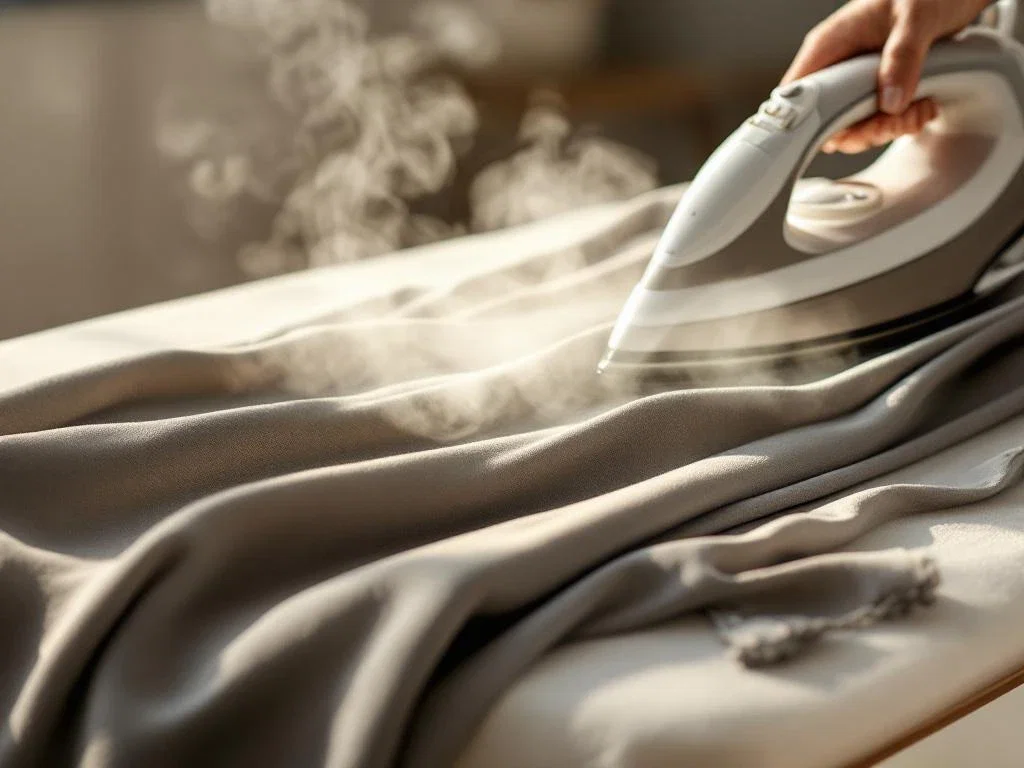
Yes, stretch pants can be ironed, but care is needed because of the elastane in the fabric. Most stretch pants contain between 2% and 20% elastane, which is sensitive to heat. Always iron on a low temperature (maximum 110°C) with a damp cloth between the iron and the fabric. For the best results, alternatives such as steaming or hanging them in a steamy bathroom are often safer and just as effective.
Can stretch pants actually be ironed?
Stretch pants can indeed be ironed, but the approach differs from regular cotton pants. The elastane in the fabric makes the material sensitive to direct heat. Pants with 2-5% elastane can be ironed carefully on a low temperature. Pants with more than 10% elastane, like many modern stretch pants with 13% elastane, require extra care.
The composition of your stretch pants largely determines how you should treat them. Polyamide-elastane blends are more heat-resistant than cotton-elastane blends. Polyester-elastane fabrics, as used in comfort stretch pants, can often tolerate slightly higher temperatures. Always check the care label first for specific instructions.
The percentage of elastane directly affects how well a fabric can be ironed. Pants with less than 5% elastane can usually be ironed on a low temperature without any problems. With 10-15% elastane, extra care is needed and it’s best to use a pressing cloth. Pants with more than 15% elastane are better not ironed at all; treat them with alternatives such as steaming instead.
What happens to elastane when you iron it?
Elastane fibers start to melt at temperatures above 130°C and lose their stretch. Under direct heat, the fibers shrink permanently, causing your pants to lose their stretch. This process is irreversible: once elastane is damaged, it won’t recover. That’s why manufacturers often advise not putting stretch fabrics in the dryer and being careful when ironing.
The technical reaction of elastane to heat is complex. The polymer chains in elastane fibers break down at high temperatures, resulting in a loss of elasticity. This happens gradually: first the fabric loses some of its recovery, after which it can permanently stretch out or actually shrink in the ironed areas.
Repeated ironing at too high a temperature leads to visible damage. You’ll notice this as shiny patches on the fabric, reduced elasticity in specific areas, or even tiny holes where the elastane fibers have completely melted. Travel quality fabrics, with their specific fiber composition, are especially sensitive to this.
How do you iron stretch pants safely without damage?
To iron stretch pants safely, set your iron to a maximum of 110°C (silk setting). Always use a damp cotton cloth between the iron and the pants. Keep the iron moving constantly without applying pressure. Never iron directly on the fabric and never let the iron rest in one spot.
Follow these steps for the best result:
- Turn the pants inside out for extra protection
- Lightly dampen a thin cotton cloth with water
- Place the cloth over the area to be ironed
- Iron with light, smooth movements without pressure
- Focus on the most wrinkled areas, such as the knees and seat
- Avoid seams and pockets where elastane can bunch up
For pants with a higher elastane percentage, it’s best to use your iron’s steam function without touching the fabric. Hold the iron 2-3 cm above the fabric and let the steam do its work. This method is especially effective for travel fabrics that are naturally wrinkle-recovering.
What are the alternatives to ironing stretch pants?
Steaming is the safest alternative for stretch pants. A garment steamer works at a lower temperature than an iron and doesn’t damage elastane fibers. Hang your pants on a hanger and steam from top to bottom. The combination of steam and gravity removes wrinkles effectively without any risk.
The bathroom method is surprisingly effective for light wrinkles. Hang your stretch pants in the bathroom while you shower. The warm steam relaxes the fibers naturally without direct heat. This method works especially well with travel quality fabrics that are designed to become wrinkle-free quickly.
Wrinkle spray offers a quick solution on the go. Spray lightly over the wrinkled areas, gently smooth the fabric with your hands, and let it dry. For stubborn wrinkles, combine wrinkle spray with the hair dryer method: blow-dry on the cool setting while pulling the fabric taut. This works brilliantly for modern stretch fabrics with their specific fiber structure.


Why do some stretch pants wrinkle more than others?
Fabric quality and fiber composition largely determine how prone pants are to wrinkling. Travel quality fabrics with polyamide-elastane blends wrinkle less than cotton-elastane blends. The weave also plays a role: denser weaves, like those in premium stretch pants, hold their shape better. Pants with 87% polyamide and 13% elastane often offer the best balance between stretch and wrinkle resistance.
The elastane percentage has a direct impact on wrinkling. Pants with 2-5% elastane wrinkle more because they have less recovery. At 10-15% elastane, you’ll see optimal wrinkle resistance: enough stretch for comfort, but also enough structure. Pants with more than 20% elastane can actually wrinkle more again due to their extreme flexibility.
When choosing wrinkle-resistant stretch pants, look for:
- Fabrics with synthetic fibers such as polyamide or polyester
- An elastane percentage between 10-15% for the best balance
- Heavier fabric qualities that hold their shape better
- Pants with a special anti-wrinkle treatment
- Travel or comfort qualities developed especially for minimal care
How do you keep stretch pants from wrinkling?
The right washing technique is fundamental to preventing wrinkles. Wash stretch pants at a maximum of 30°C on a delicate cycle. Use little detergent and avoid fabric softener, which can affect elastane fibers. Spin on a low speed: the less moisture is squeezed out, the fewer wrinkles form while drying.
Hanging your pants properly right after washing prevents most wrinkles. Shake them out, gently pull them into shape, and hang them by the waistband. For pants with heavy details such as zip pockets or flap pockets, hang them inside out to prevent stretching. Let them air dry away from direct heat sources.
For storage, roll your stretch pants instead of folding them; this prevents creases. If possible, hang them on pants hangers with clips at the waistband. In your suitcase, place them on top to avoid pressure. A handy tip: roll your pants up with tissue paper in between for extra protection while traveling. With these preventive measures, your stretch pants will keep looking polished without the need for ironing.
How &Co Woman helps with caring for stretch pants
&Co Woman offers a practical solution for caring for stretch pants by using travel quality fabrics specially designed to be wrinkle-resistant and easy to care for. Our pants are made from high-quality polyamide-elastane blends that hold their shape and require minimal ironing.
- Pants with an optimal 13% elastane for the perfect balance between comfort and shape
- Travel quality fabrics that recover from wrinkles
- Durable materials that stand up to frequent washing
- Fabric choices that keep their elasticity after long-term wear
- Designs that are practical for busy women with little time for upkeep
With &Co Woman stretch pants, you can focus on what really matters in your day, knowing your clothes always look polished without any fuss. Discover our shop with wrinkle-resistant stretch pants and experience the ease of low-maintenance quality.
Frequently Asked Questions
Can I use a steam iron on my stretch pants without touching the fabric?
Yes, this is actually one of the safest methods. Hold the steam iron 2-3 cm above the fabric and let the steam remove the wrinkles. This method works brilliantly because there’s no direct contact with the elastane fibers, which prevents damage. Move the iron slowly from top to bottom for the best result.
What should I do if my stretch pants already have shiny patches from ironing?
Unfortunately, shiny patches are often permanent because the elastane fibers have been damaged by too much heat. You can try treating the patches with a mixture of vinegar and water (1:1) on a cloth. In the future, it’s important to always use a protective cloth and iron on a low temperature.
How long does it take for stretch pants to become wrinkle-free with the bathroom method?
The bathroom method usually works within 15-20 minutes during a normal shower. For the best result, hang the pants up before you shower and leave them hanging until the bathroom is dry again. For stubborn wrinkles, it can help to lightly mist the pants with a spray bottle before hanging them up.
Are there special ironing board covers that are better for stretch fabrics?
Yes, metallic or aluminum-coated ironing board covers reflect heat better and ensure a more even heat distribution, which is safer for stretch fabrics. Avoid covers with a rough texture that can snag the delicate fibers. A smooth, heat-resistant cover combined with a damp cloth offers the best protection.
Can I put my stretch pants in the dryer on an anti-wrinkle cycle?
This is strongly discouraged, even on a low temperature or anti-wrinkle setting. The combination of heat and tumbling in the dryer can permanently damage elastane fibers. If you still want to use the dryer, choose an air-only cycle without heat and take the pants out right away while they’re still slightly damp to minimize wrinkling.
Which wrinkle spray works best for stretch pants with a high elastane content?
Choose an alcohol-free wrinkle spray, as alcohol can dry out elastane fibers. Water-based sprays with natural softening ingredients work best. Always test on an inconspicuous spot first. For pants with more than 15% elastane, dilute the spray with water (50/50) to give the fibers extra protection.