
Is travel fabric eco-friendly?
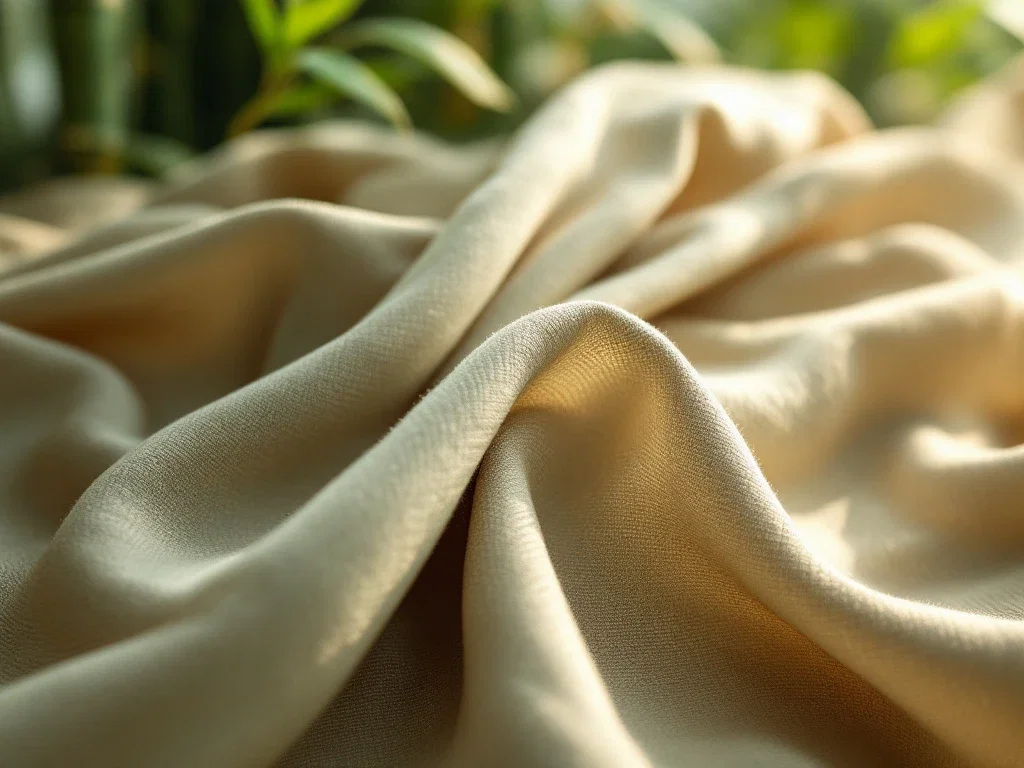
Travel fabric isn’t entirely eco-friendly, but it has both positive and negative environmental aspects. It’s made of polyester, a synthetic fabric produced from petroleum. Production requires a lot of energy and causes CO2 emissions, and the fabric itself isn’t biodegradable. At the same time, travel fabric lasts a long time, needs no ironing, and dries quickly, which saves energy and water. With mindful use and good care, you can limit its environmental impact.
What exactly is travel fabric, and why is it so widely used?
Travel fabric is a synthetic fabric made of polyester, a plastic derived from petroleum. The material has unique properties such as wrinkle recovery, fast drying time, and shape retention. These practical benefits make it popular in the fashion industry, especially for clothing that’s worn often and needs to be easy to care for.
The fabric consists of long polyester fibers that are spun into yarns during production. These yarns are then woven or knitted into different types of fabric. The result is a material that’s strong, lightweight, and versatile.
In the clothing industry, travel fabric is especially valued because it:
- Doesn’t need ironing
- Dries quickly after washing
- Keeps its shape, even after lots of wear
- Requires little maintenance
- Lasts a long time without wearing out
For you, this means travel fabric clothing is ideal for a busy life. You can wash it, hang it up, and wear it again without any extra effort. That saves time and energy, which adds to the material’s popularity.
How is travel fabric made, and what does that mean for the environment?
The production of travel fabric starts with petroleum as the raw material. Through chemical processes, this oil is converted into polymers, which are then melted and spun into fibers. The entire process requires a lot of energy and causes significant CO2 emissions. Manufacturing takes place at high temperatures and uses various chemicals.
The environmental impact of this production process is considerable. Every kilo of polyester releases about 5.5 kilos of CO2. Production also uses large amounts of water for cooling and processing. The chemicals needed to dye and finish the fabric can also harm the environment if they aren’t handled properly.
Using fossil fuels as a raw material means we remain dependent on non-renewable resources. This contributes to the depletion of natural resources. Modern factories are working to improve their processes by:
- Using more energy-efficient machines
- Treating and reusing wastewater
- Recovering heat from the production process
- Switching to renewable energy sources
Can travel fabric be recycled, and how does that work?
Yes, travel fabric can be recycled because it’s made of polyester. There are two main methods: mechanical recycling, where the fabric is ground into fibers, and chemical recycling, where the material is broken down into raw materials. Both methods have pros and cons, and the quality of recycled polyester is often lower than that of new material.
In mechanical recycling, old clothing is collected, sorted, and ground into small pieces. These are melted and spun into fibers again. This process can only be repeated a limited number of times, because the fibers get shorter with each cycle.
Chemical recycling is more advanced. Here, the polyester is broken down into its original chemical building blocks. These can then be used to make new polyester of the same quality as virgin material. However, this process is more expensive and more energy-intensive.
Unfortunately, only a small share of textiles in the Netherlands is actually recycled. Most clothing ends up in household waste or is exported. Challenges for textile recycling include:
- Clothing often consists of blended materials that are hard to separate
- Zippers, buttons, and other trims must be removed first
- Collection infrastructure isn’t well developed everywhere yet
- Recycling is often more expensive than new production
What are the environmental pros and cons of travel fabric?
Travel fabric has both positive and negative environmental aspects. The pros are mainly its long lifespan, low energy use for care, and the durability of the material. The cons include microplastics, the fact that it isn’t biodegradable, and its dependence on fossil fuels for production.
Positive environmental aspects:
- Garments last for years without losing quality
- No ironing needed, which saves electricity
- Can be washed at low temperatures
- Quick-drying, so no dryer needed
- Replacing items less often means less production
Negative environmental aspects:
- Microplastics are released with every wash
- The fabric doesn’t biodegrade in nature
- Production from petroleum contributes to climate change
- Energy-intensive production process
- Can take centuries to break down in landfills
The balance between pros and cons depends largely on how you treat your travel fabric clothing. If you wear items for a long time and care for them well, their durability outweighs the production impact. But if clothing is thrown away quickly, the cons weigh more heavily.
What sustainable alternatives to travel fabric are there?
There are several more eco-friendly alternatives to traditional travel fabric. Recycled polyester uses existing plastic as its raw material, while bio-based polyester is made from plant sources. Natural fibers such as organic cotton, hemp, and Tencel also offer good alternatives with similar practical properties.
Recycled polyester is made from old PET bottles or textile waste. This reduces the need for new petroleum and gives waste a second life. Its properties are similar to virgin polyester, but its environmental impact is up to 50% lower.
Bio-based polyester comes from renewable sources such as corn or sugarcane. Although the end product is chemically identical to traditional polyester, its carbon footprint during production is lower. This technology is still in its early stages but is developing rapidly.
Natural alternatives with great properties:
- Tencel/Lyocell: Made from wood, soft, breathable, and biodegradable
- Organic cotton: Grown without pesticides, breathable but wrinkles more
- Hemp: Grows quickly without much water, strong and durable
- Merino wool: Naturally temperature-regulating and odor-resistant
- Bamboo viscose: Soft and moisture-wicking, but pay attention to the production process
How can you wear travel fabric clothing more sustainably?
You can significantly reduce the environmental impact of travel fabric clothing by washing mindfully, caring for it well, and choosing quality over quantity. Wash at low temperatures with a full load, use a wash bag to catch microplastics, and buy fewer but better pieces that you’ll wear for years.
Practical washing tips for a lower environmental impact:
- Wash at 30 degrees instead of higher temperatures
- Use a special wash bag that captures microplastics
- Only wash when needed; airing out is often enough
- Choose an eco program that uses less water
- Skip fabric softener; it isn’t needed for synthetic fabrics
When it comes to caring for travel fabric clothing, less is often more. The fabric naturally has great properties that require little care. Hang your clothes up to air out after wearing them. Treat stains right away on the spot instead of washing the whole garment.
When shopping, you can make more sustainable choices by paying attention to:
- The quality of the fabric and finishing
- Timeless design that won’t quickly go out of style
- Versatility, so you can wear it often
- A good fit that stays comfortable
The key lesson is that the longest lifespan is the best choice for the environment. So invest in quality pieces you love to wear often. At &Co Woman, we combine this philosophy with our TRVL collection: high-quality travel fabric pieces that last for years and always fit beautifully. You’ll find these durable quality pieces in our shop, where we deliberately choose timeless designs you can wear season after season. That way, you make a mindful choice that’s good for you and for the environment.