
Is travel fabric breathable?
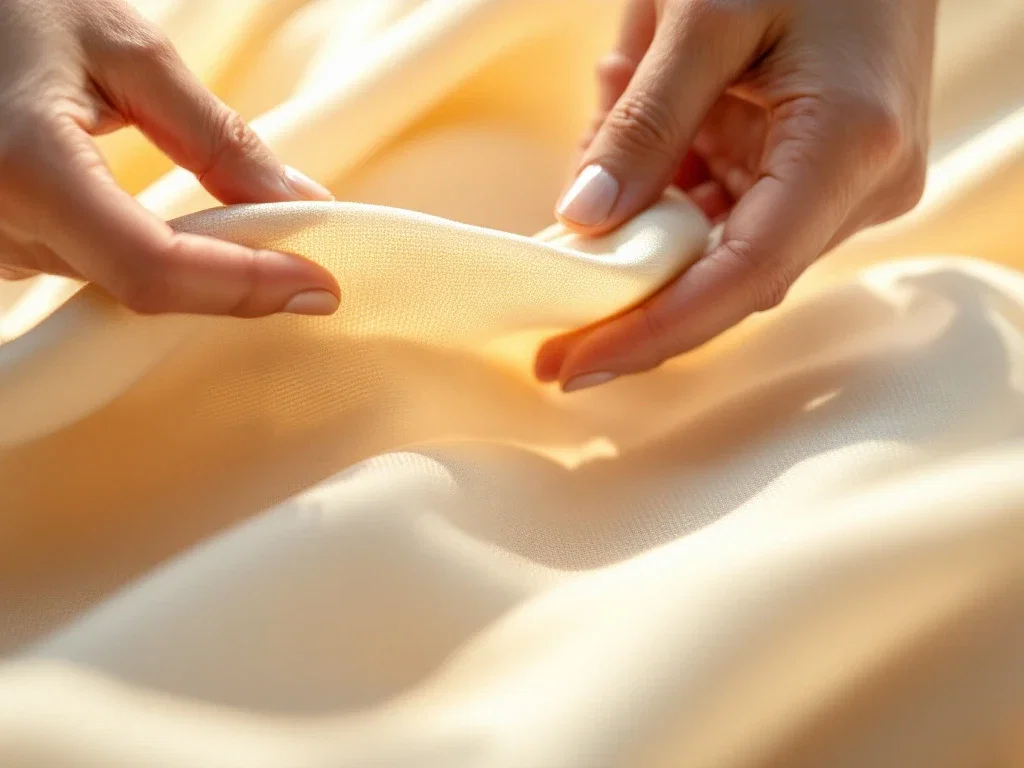
Travel fabric is generally less breathable than natural fabrics such as cotton or linen, but modern variants have improved significantly. The fabric usually consists of a blend of polyester and elastane with a dense weave structure that restricts airflow. However, there are now travel fabric variants with better ventilation properties that increase wearing comfort.
What exactly is travel fabric and how does it work?
Travel fabric is a synthetic fabric that usually consists of a combination of polyester (70-95%) and elastane (5-30%). The fibers are woven in such a way that they form a dense, elastic structure that gives the fabric its unique properties. This special weaving technique ensures crease resistance, excellent stretchability, and shape retention.
The popularity of travel fabric is due to its practical advantages. You don't have to iron the clothes, they dry quickly after washing, and they retain their shape for years. The fabric is also particularly durable, making travel fabric clothing a sustainable investment for your wardrobe.


The production process for travel fabric uses advanced spinning methods in which synthetic fibers are combined to form a strong yet flexible yarn. This yarn is then woven into different patterns, depending on the desired properties of the end product.
Is travel fabric truly breathable or not?
Traditional travel fabric is indeed less breathable than natural materials. The dense polyester weave structure allows less air to pass through than cotton or linen, for example. This means that moisture and heat are less easily wicked away, which is particularly noticeable in warm weather.
However, modern travel fabric variants have undergone significant improvements. Manufacturers now incorporate technologies such as moisture-wicking treatments and micro-perforations that enhance ventilation. These innovations enable newer travel fabric garments to breathe better without losing the benefits of wrinkle resistance.
It is important to understand that "breathable" is a relative term. Compared to sportswear or linen, travel fabric will always be less ventilated. However, for everyday use and office wear, modern travel fabric offers sufficient comfort for most people.
What factors determine how breathable travel fabric is?
The weave pattern has the greatest influence on the breathability of travel fabric. A looser weave structure allows more air to pass through, while a denser weave provides less ventilation but offers more shape retention. Manufacturers are experimenting with different weave patterns to find the optimal balance.


The thickness of the fabric also plays an important role. Thinner travel fabric variants are generally more breathable than thicker versions. The percentage of elastane also affects ventilation—the more elastane, the denser the structure usually is.
Modern technologies make a big difference. Moisture-wicking treatments help wick moisture away from the skin, while antibacterial coatings prevent odors. Some manufacturers even add strategically placed mesh panels for extra ventilation in areas where you perspire the most.
How does travel fabric compare to other fabrics in terms of breathability?
Cotton is known for being highly breathable and absorbing moisture well, but it dries slowly and wrinkles easily. Linen is even more breathable than cotton and perfect for hot days, but it wrinkles extremely easily and requires a lot of maintenance. Wool regulates temperature excellently but is less suitable for hot weather.
Compared to other synthetic fabrics, travel fabric performs averagely. Sports polyester has been specially developed for maximum ventilation and moisture wicking, while nylon is comparable to travel fabric in terms of breathability. Viscose, although semi-synthetic, breathes better than most fully synthetic fabrics.
For everyday use, travel fabric offers a good compromise. It is less breathable than natural fabrics but offers practical advantages that compensate for this. For activities involving low to moderate exertion, the difference in breathability is acceptable for most people.
When should you choose travel fabric, and when should you not?
Travel fabric is ideal for traveling, office work, and situations where you want to look well-groomed without much maintenance. Its wrinkle resistance makes it perfect for long days, business meetings, or when you go straight from work to a social occasion. In the mid-season, the fabric offers just enough warmth without being too heavy.


Travel fabric is less suitable for intensive sports activities, very hot summer days, or physical work. The limited ventilation can become uncomfortable in such situations. Natural fabrics are also often a better choice during the summer for people who get hot quickly or perspire a lot.
A smart solution is to combine travel fabric with breathable undergarments. For example, wear a cotton shirt under your travel fabric blazer, or choose bamboo underwear that regulates moisture excellently. This way, you can enjoy the benefits of travel fabric while increasing your comfort.
How can you make travel fabric clothing feel more comfortable?
Opt for looser fits that allow air to circulate between the fabric and your skin. Travel pants or blazers that are too tight will quickly feel stuffy. Look for styles with a relaxed fit or choose a size larger than you would normally wear for optimal comfort.
The color of your clothing makes more of a difference than you might think. Dark colors absorb heat and make travel fabric feel warmer. On warmer days, choose light colors such as beige, light gray, or pastel shades that reflect the sun's rays.
When buying, pay attention to extra ventilation features. Modern travel fabric clothing often has strategically placed mesh details under the arms or along the back. There are also variants with special moisture-regulating treatments that significantly increase wearing comfort. Always combine with high-quality, breathable undergarments for the best results.
Proper care also helps. Wash travel fabric at a low temperature and do not use fabric softener—this can clog the pores in the fabric. Hang the clothing up immediately after washing to maintain optimal airflow.
Travel fabric remains a practical choice for many situations, despite its limited breathability. With the right knowledge and smart choices, you can take full advantage of its benefits while maximizing comfort. At &Co Woman, you will find modern travel fabric clothing that combines comfort with style, perfect for today's versatile woman. In the shop, you will discover an extensive collection of high-quality travel fabric pieces that will give your wardrobe &Co Woman style.