
How can you prevent chafing when wearing plus-size clothing?
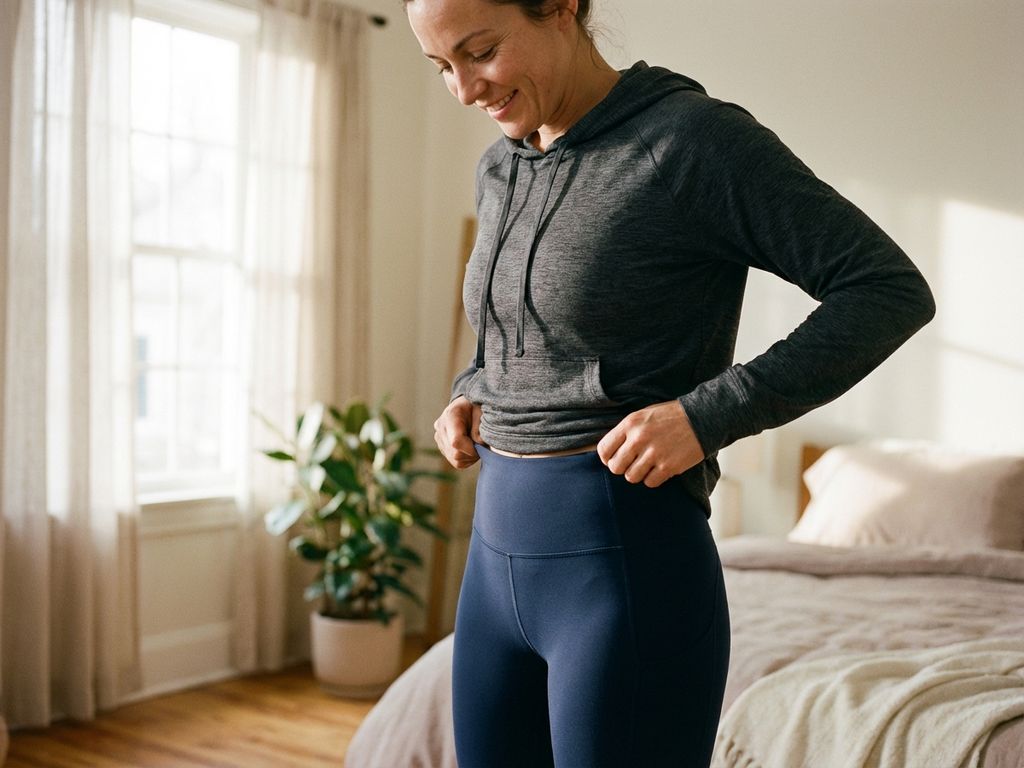
You can prevent chafing with plus-size clothing by choosing the right fabrics, fits, and aids. Natural fibers such as cotton and bamboo, clothing in the right size with strategically placed seams, and products such as anti-chafing sticks help prevent irritation. Paying extra attention to problem areas such as the thighs, armpits, and under the breasts can make the difference between getting through the day comfortably or experiencing constant discomfort.
Why is plus-size clothing more common for curvy women?
Chafing occurs in plus-size clothing mainly due to friction between the skin and fabric, moisture accumulation, and the natural shape of your body. Certain parts of the body, such as the inner thighs, armpits, and the area under the breasts, are particularly sensitive because there is more skin-to-skin contact in these areas. This is exacerbated by heat and moisture that accumulate in these areas.
The combination of movement and body shape causes constant friction in the same areas. Curvy women experience more contact between body parts, especially when walking or moving. This is completely normal—your body is doing exactly what it should. The problem arises when clothing exacerbates this natural friction due to the wrong fabrics or poor fit.


Moisture also plays a major role. Sweat remains trapped between skin folds and in areas where clothing is tight. This makes your skin softer and more sensitive to irritation. Synthetic fabrics that do not wick away moisture only exacerbate this problem. They trap heat and create a sweltering environment where chafing occurs more quickly.
The way clothing is made also has an impact. Seams in the wrong places, elastic that is too tight, or rough finishes can create additional pressure points. This explains why some garments feel uncomfortable within an hour, while others can be worn all day without any problems.
Which fabrics and materials are most effective against chafing?
Natural fibers such as cotton, bamboo, and modal are your best friends when it comes to preventing chafing. These fabrics breathe well, wick away moisture, and feel soft against your skin. Bamboo has the added benefit of being naturally antibacterial, which helps prevent irritation. Modal, made from beech wood, is extra smooth and prevents friction.
Moisture-regulating fabrics are important for sportswear or clothing worn on hot days. Look for materials with moisture-wicking properties —these quickly wick sweat away from your skin. Modern technical fabrics such as merino wool are also great: they regulate temperature, wick away moisture, and prevent odors.
Avoid rough cotton, coarse linen, and cheap synthetic fabrics. These materials can actually make chafing worse. Polyester without special treatment retains moisture and creates more friction. Spandex and elastane are fine in small amounts for stretch, but too much of them can cause pinching and chafing.
Also pay attention to the finish of fabrics. Smooth, brushed, or knitted fabrics feel softer than woven fabrics with a rough texture. Seamless or flatlock seams make a big difference in areas where there is a lot of movement. Investing in quality fabrics pays off in comfort throughout the day.
How do you choose the right fit to prevent chafing?
The right size is your starting point—clothes that are too tight will pinch and rub, while clothes that are too loose will rub back and forth with every movement. Measure yourself regularly, especially around your waist, hips, and thighs. Choose clothes that fit without pinching, with enough room to move comfortably but not so loose that they constantly rub.
For pants, the inner leg seams are important. Look for styles with flat or reinforced seams in areas where your thighs touch. Travel-quality pants, such as those made from polyamide with elastane, often offer the perfect combination of stretch and durability. They retain their shape, move with your body, and usually have smooth finishes.
When it comes to dresses and skirts, it helps to choose A-line styles or dresses with sufficient width at the bottom. This prevents the fabric from getting caught between your legs when walking. Underskirts or shorts under dresses are also a smart choice—they create a protective layer between your thighs.
Underwear deserves extra attention. Choose seamless styles or underwear with flat seams. The right size is especially important here—too small will cut in, too large will shift and rub. Boxer shorts or long underwear can work wonders against thigh chafing. For under the breasts, bras without underwire or with soft, wide bands under the cups are ideal.
Which products and tools are effective against abrasion?
Anti-chafing sticks are popular because they are easy to apply and work immediately. They create an invisible protective layer on your skin that reduces friction. Body Glide and similar products are specially designed for long-lasting protection. Deodorant (the solid variety) also works in an emergency, but is less effective and needs to be reapplied more often.
Talcum powder or cornstarch helps absorb moisture and reduces friction. Sprinkle it on areas where you often experience chafing. Anti-chafing bands are elastic bands that you wear around your thighs—ideal under dresses and skirts. They stay in place and prevent direct skin-to-skin contact.
For long-lasting protection, there are special creams containing zinc oxide or dimethicone. These ingredients form a protective barrier that lasts for hours. Sports gels to prevent chafing often contain additional ingredients that care for and protect the skin during intensive activity.
Practical aids such as seamless shorts, slip shorts, or cycling shorts worn under your clothing offer mechanical protection. They are available in various lengths and thicknesses. Choose thin versions for under tight clothing and thicker models for extra protection during exercise or on hot days.
What are the best care tips for irritated skin?
When your skin is irritated, the most important thing is to give it a break—wear loose, breathable clothing and avoid further friction. Gently wash the area with lukewarm water and mild, fragrance-free soap. Pat the skin dry instead of rubbing it. Then let the skin air dry before applying any skin care products.
Aloe vera gel has a cooling effect and helps the skin to recover. Choose pure gel without added colorants or alcohol. Calendula ointment or Bepanthen cream are also good options—they soothe the skin and support the natural healing process. Apply a thin layer and allow it to absorb before putting on your clothes.
Avoid products containing alcohol, perfume, or other irritants. These can further irritate damaged skin. Petroleum-based products are also not ideal—they seal off the skin, which needs to be able to breathe in order to heal.
If you experience severe irritation or if your skin does not improve within a few days, consider contacting your doctor. Signs of infection such as spreading redness, warmth, swelling, or pus require professional treatment. Prevent further irritation by addressing the cause—adjust your clothing, use preventive products, and give your skin time to fully recover.
How can you prevent chafing when exercising in plus-size sportswear?
Seamless sportswear or clothing with flatlock seams prevents chafing during intense movement. These seams lie flat against your skin and do not create pressure points. Compression wear helps by keeping everything in place—less movement means less friction. Choose compression clothing that fits without constricting.
A good sports bra is essential. Look for styles with wide, soft bands and sufficient support without tight underwires. Racerback styles distribute weight better and prevent chafing at the shoulder straps. Test the bra by jumping—everything should stay in place without moving or rubbing.
Moisture management is especially important during exercise. Choose sportswear made from technical fabrics that wick away sweat quickly. Avoid cotton for intense workouts—it traps moisture and becomes heavy. Apply anti-chafing products to sensitive areas before exercising. Sports-specific varieties are sweat-resistant and last longer.
After exercising, proper care is important. Shower as soon as possible to remove sweat and bacteria. Dry yourself thoroughly, especially in skin folds. Put on clean, dry clothes—don't stay in damp sportswear. This not only prevents chafing but also fungal infections and other skin problems.
Choosing the right clothing and care makes a world of difference to your everyday comfort. Whether you're going to work, spending a day shopping, or enjoying sports, with the right approach you can prevent chafing and enjoy freedom of movement. At &Co Woman, we understand how important comfort is. Our collection is designed with real women in mind, using high-quality fabrics and thoughtful fits that keep you comfortable all day long. In our shop, you'll find clothing that's not only beautiful, but also functional and comfortable.