
How do you keep workwear from wearing out quickly?
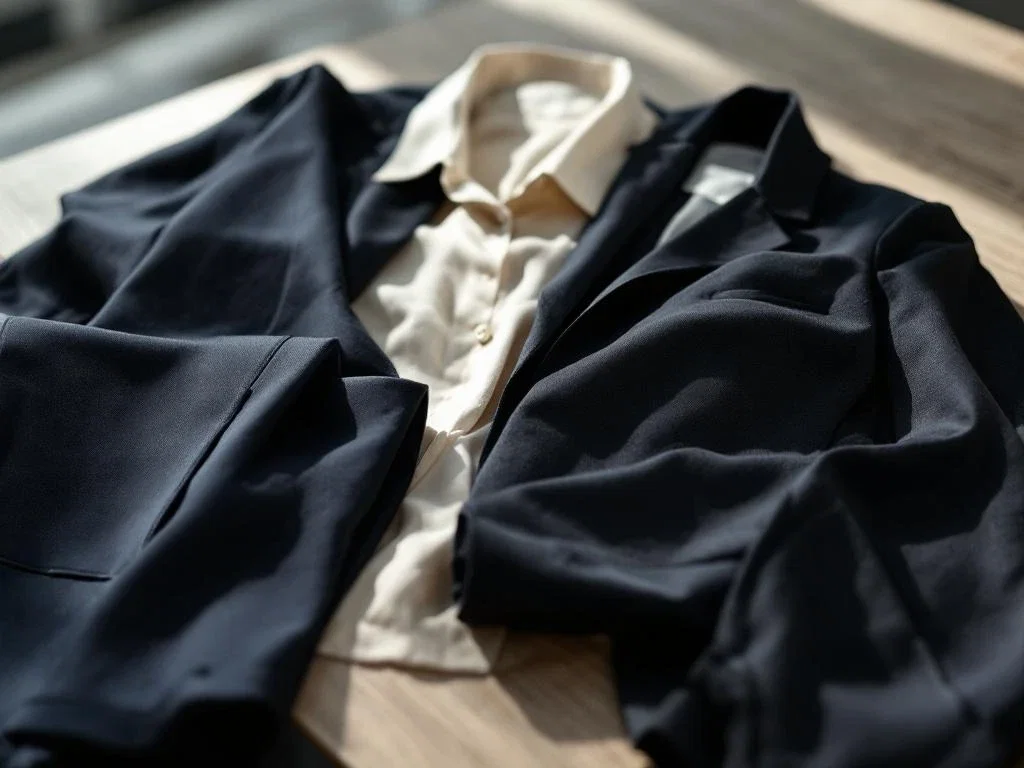
The best way to keep your workwear from wearing out quickly is to choose the right materials, wash it properly, and use a smart rotation system. Go for durable fabrics like merino wool or technical materials with stretch, wash inside out at a low temperature, and rotate regularly between 5-7 basic pieces. With this approach, your workwear will last for years and you’ll always look polished.
Why does workwear actually wear out faster than other clothing?
Workwear wears out faster because it’s worn intensively every day and washed more often than casual clothing. You spend hours at the office, with the fabric rubbing against desk chairs and armrests. Add the weekly washes, and you’ll understand why your favorite work blouse is already showing signs of wear after a year.
The most vulnerable spots are elbows, knees, and collar points. Elbows wear from leaning on desks and tables. Knees wear out mainly on pants from sitting down and standing up. Collar points have it tough from the combination of skin contact, makeup, and perfume.
Your surroundings play a role too. Air conditioning dries out fabrics, making fibers brittle. In winter, the switch between cold outdoor air and heated rooms puts extra stress on the material. Even your handbag can cause wear by rubbing against your shoulder or hip.
Which fabrics and materials last the longest for workwear?
The best materials for durable workwear are merino wool, technical fabrics with stretch such as polyamide-elastane blends, and high-quality cotton blends. Merino wool is naturally wrinkle-resistant and odor-absorbing, so you don’t need to wash it as often. Technical fabrics with 10-15% elastane keep their shape and are exceptionally hard-wearing.
Natural fibers like cotton and wool breathe better and feel more comfortable during long workdays. They are, however, more prone to shrinking and need more care. Synthetic fibers, on the other hand, are stronger, wrinkle-free, and dry faster, but can become static and are less breathable.
The ideal workwear combines the best of both worlds. A blazer made of 90% polyester with 10% elastane keeps its shape perfectly, while a cotton blouse with a small percentage of stretch is comfortable to wear yet still holds its fit. When shopping, pay special attention to the thickness and density of the fabric – tightly woven materials last longer.
How do you wash and dry workwear without it wearing out quickly?
Always wash workwear inside out at a maximum of 30 degrees with a gentle detergent without bleach. This simple rule significantly extends the life of your clothes. The inside takes most of the friction in the washing machine, while the outside – the part people see – is spared.
Different materials have their own specific rules:
- Wool and cashmere: hand wash or wool program, dry flat
- Synthetic fabrics: 30 degrees, short program, remove from the machine right away
- Cotton: maximum 40 degrees, don’t overload the machine
- Silk: cold water, special silk detergent, don’t wring
Whenever possible, air-dry your clothes instead of using the dryer. The dryer’s heat breaks down fibers and makes colors fade. If you do use the dryer, choose a low temperature and take your clothes out while they’re still slightly damp. For stain treatment: treat stains right away with cold water and a soft cloth, and never use hot water, as it sets stains.
What is a smart rotation system for your work wardrobe?
An effective rotation system consists of 5-7 basic pieces that you alternate throughout the workweek. Start with two blazers, three blouses, two pairs of pants, and a dress or skirt. By combining these pieces strategically, you create at least 15 different outfits without overworking any single item.
Keep track of how often you wear each piece. A simple system is to hang worn items on the right side of your closet. After washing, hang them on the left. That way, you can see at a glance which pieces deserve a day off. Favorite pieces tend to be worn more often – try to limit yourself to wearing your favorite blouse no more than once a week.
Plan your outfits a week ahead. Not only does this prevent morning stress, it also spreads the wear fairly across your clothes. Combine different pieces with each other: a blazer works over several blouses, and a pair of pants goes with various tops. This mix-and-match approach distributes wear evenly across your entire wardrobe.
Which simple repairs can you do yourself to make clothes last longer?
The most important repairs you can do yourself are securing loose buttons, darning small holes, fixing hems, and removing pilling. With basic sewing skills and the right tools, you can save most of your workwear from the landfill. A loose button is fixed in five minutes and saves you from throwing away an otherwise perfect piece.
Put together a basic sewing kit with:
- Needles in various sizes
- Thread in neutral colors (black, white, gray, navy)
- Small scissors
- Spare buttons
- Fabric tape for quick emergency fixes
- Fabric shaver
For small holes, use a darning stitch: weave the needle and thread back and forth across the hole until it’s closed. A loose hem can be fixed temporarily with iron-on hem tape or sewn with a blind hem stitch. Carefully remove pilling with a special fabric shaver or a clean disposable razor. These simple steps extend the life of your clothes by months or even years.
How do you best store seasonal workwear?
Only store seasonal workwear clean and completely dry in a cool, dry place. Wash or steam everything before storing – invisible stains and odors attract insects and can cause permanent damage. Let clothes air out for 24 hours after washing before putting them away.
Use breathable garment bags made of cotton or special storage boxes with ventilation holes. Plastic covers trap moisture and can cause mold. Fold sweaters and knits instead of hanging them – this prevents stretching. Hang blazers and dresses on sturdy hangers with enough space between them.
To prevent moths, use lavender, cedarwood, or special moth sachets. Avoid mothballs because of the chemical smell that seeps into your clothes. The ideal storage temperature is between 15-20 degrees with a humidity of 50-60%. Check your stored clothes every few months and let them air out briefly. With this approach, your summer wardrobe will come out fresh and undamaged after the winter.
How &Co Woman helps with durable workwear
&Co Woman offers you a curated collection of workwear specifically designed to last longer and look professional. Our approach focuses on:
- High-quality materials that resist wear and keep their shape
- Timeless designs that never go out of style and can be worn season after season
- A perfect fit that offers comfort during long workdays
- Care advice and styling tips to protect your investment
With these practical tips for care, washing, and storage, your workwear will look like new for longer. It takes a little extra attention, but investing in comfortable workwear that lasts for years is more than worth it. Discover our shop with durable workwear and build a wardrobe that’s not only beautiful, but made to last.
Frequently Asked Questions
How often should I replace my workwear if I take good care of it?
With good care, quality workwear lasts 2-3 years with daily use. Invest in 5-7 good-quality basic pieces and replace the 1-2 most-worn items each year. That way, you gradually build a durable wardrobe without big expenses all at once.
Can I have my workwear professionally cleaned without damaging it?
Yes, but choose an eco dry cleaner that uses gentle cleaning methods without harsh chemicals. Limit dry cleaning to a maximum of 4 times a year for wool blazers and special occasions. For everyday care, washing at home according to the right instructions is often better and cheaper than frequent dry cleaning.
What are the best brands or stores for durable workwear with good value for money?
Look for brands that are transparent about their materials and production process. Pay attention to details like double-stitched seams, YKK zippers, and a high percentage of natural fibers with a small amount of stretch. Invest in fewer, better-quality pieces rather than a closet full of fast fashion that’s worn out after one season.
How do I prevent shiny spots on dark workwear?
Shiny spots are caused by heat and pressure during ironing. Always iron dark clothing inside out or use a pressing cloth. For existing shiny spots: dab the area with a mixture of vinegar and water (1:1), let it dry, and steam gently. A steamer is often better than an iron for delicate workwear.
When is it really time to let go of a piece of clothing?
Let go of workwear when the fabric gets thin, there are several holes that can’t be repaired, or stains can no longer be removed. The same goes for when the fit is permanently lost or the color has faded unevenly. Before recycling, first consider whether the piece can get a second life as casual wear.
How do I combine sustainability with the latest office fashion trends?
Invest in timeless basics in neutral colors and add trends with accessories like scarves, belts, or jewelry. Choose one trendy piece per season to combine with your classic wardrobe. That way, you stay stylish without replacing your entire wardrobe every season, and your workwear stays sustainable.