
How to choose the right size when shopping online?
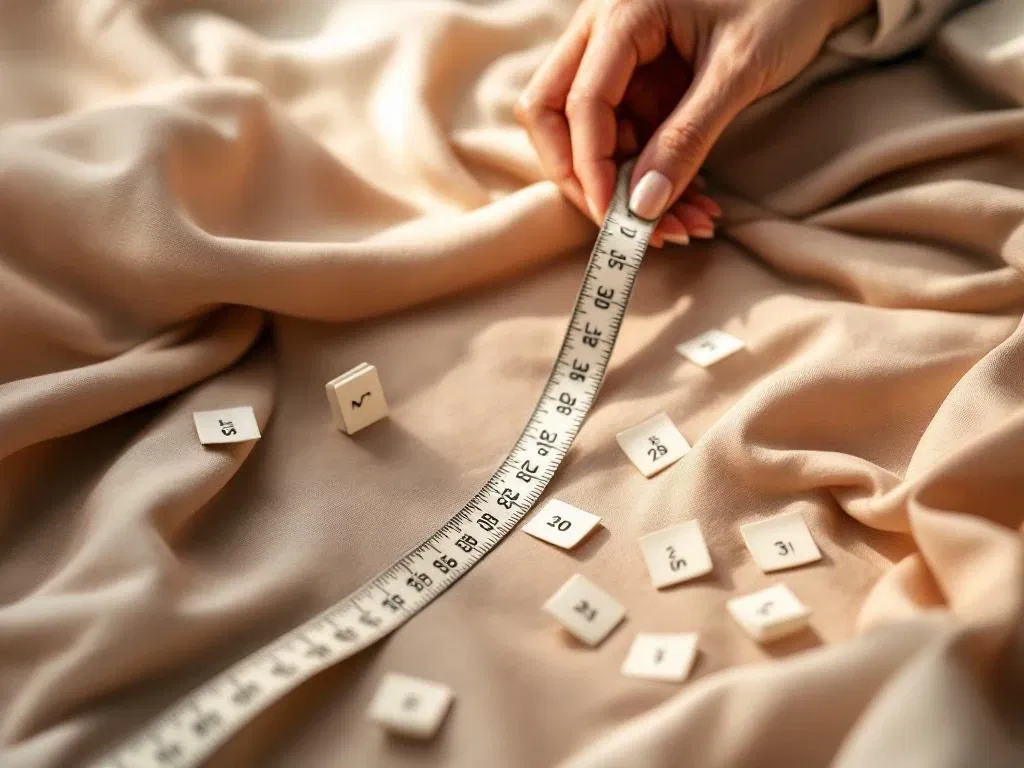
Choosing the right size when shopping online can be a challenge because you can't physically try on clothes. Different brands often use different sizing systems, so a size 38 may fall differently on one brand than another. By measuring yourself correctly and reading size charts carefully, you significantly increase your chances of a perfect fit.
Why is choosing the right size when shopping online so difficult?
The lack of a fitting room makes shopping for clothes online a gamble. You can't feel the fabric, test the fit and have to rely on product photos and descriptions. This often leads to disappointment when the package arrives.
The biggest problem is that brands use different sizing systems. A Dutch size 38 may be referred to as a 42 by an Italian brand, while American sizes work completely differently again. Even within Europe there are differences between countries and brands. This makes choosing the right size without physically trying on extra complex.
Many consumers therefore order multiple sizes at once to try on at home. This creates additional shipping costs, more packing materials and the hassle of returns. The frustration of returning clothes that don't fit is a reason for many to avoid online shopping.
How do you measure yourself for the perfect fit?
Measuring correctly is the basis for finding your correct size. All you need is a flexible tape measure and possibly help from someone else for hard-to-reach areas. Always measure over your underwear for the most accurate results.
For breast size, measure where your breasts are largest, preferably with bra. Keep the tape measure horizontal and make sure it is not too tight. For waist circumference, measure at the narrowest point of your waist, usually just above your navel. For hip circumference, find the widest point of your hips, about 20 centimeters below your waist.
Important tips for accurate measurement:
- Measure in the morning for the most consistent results
- Stand upright and relaxed while measuring
- Breathe normally, don't hold your breath
- Record all measurements in centimeters
- Measure twice for certainty
Common measurement mistakes include pulling the tape too tight or measuring over thick clothing. Also, people often forget that for pants, you also need to know your inseam.
What are the differences between Dutch, European and international sizes?
Sizing systems vary considerably worldwide. Dutch sizes (36, 38, 40) are used in many European countries, but not everywhere in the same way. Italian sizes, for example, are two sizes larger, so a Dutch 38 is a 42 there.
American sizes work with a completely different system. They use sizes such as 4, 6, 8, with an American size 6 roughly equivalent to a Dutch 36. British sizes are in between again, with UK size 10 being the equivalent of NL 38.
| Dutch size | European size | UK size | US size | Italian size |
|---|---|---|---|---|
| 36 (S) | 36 | 8 | 4 | 40 |
| 38 (M) | 38 | 10 | 6 | 42 |
| 40 (L) | 40 | 12 | 8 | 44 |
| 42 (XL) | 42 | 14 | 10 | 46 |
Please note that this conversion table is a guideline. Brands may deviate from this standard, especially fast fashion chains often use their own sizing systems.
How to read a size chart and what to look for?
A good size chart always lists body measurements in centimeters, not clothing sizes. This difference is important because clothing needs room for movement. Look for your measured chest circumference, waist and hips in the table.
When interpreting size charts, pay attention to these points:
- Look at all three sizes (chest, waist, hip), not just one
- Check if sizes are body sizes or clothing sizes
- Please note additional information on fit (slim fit, regular, loose)
- Check for length information
If you are between sizes, choose the larger size for stiff fabrics and the smaller size for stretchy materials. For outerwear such as blazers, it is wise to choose the larger size so you can comfortably wear something underneath.


What online tools help you find your size?
Modern technology is making online sizing easier and easier. Virtual fitting rooms use your webcam to scan your body and recommend the right size. These tools are becoming increasingly accurate but require you to wear tight-fitting clothes while scanning.
Size advisors are questionnaires that help you determine the right size. They ask about your normal size with well-known brands, your height, weight and preferences in terms of fit. Based on this information and data from previous customers, they give a size recommendation.
AI-powered tools analyze return data and reviews to recognize patterns. They can predict whether a garment falls big or small and provide personalized advice. This technology is getting smarter but is not yet perfect. Therefore, always combine multiple sources of information for best results.
What do you do when you're between sizes?
Being in between sizes is common, especially since bodies rarely fit perfectly in standard sizes. The choice depends on several factors. With dresses and tops, look mainly at your chest size; with pants and skirts, your hip size is leading.
The type of fabric plays an important role in your choice. Materials with elastane or modal stretch and offer more flexibility. With these fabrics, you can often choose the smaller size. Stiffer fabrics such as cotton without stretch require the larger size for freedom of movement.
Personal preference is also important. Do you like tight-fitting clothes or do you prefer to wear something looser? For business attire, we recommend choosing the larger size so that you look professional and comfortable. For casual wear, you can go more by feel.
How important are reviews and experiences from other customers?
Customer reviews are golden when shopping online. They provide insight into the actual fit that product photos cannot provide. Sizing reviews tell you if an item falls big or small compared to the size chart.
When reading reviews, pay attention to these aspects:
- Find reviewers with your physique
- Filter by your own size for relevant experiences
- Note comments on shrinkage after washing
- Look at photos posted by customers
- Read multiple reviews for a complete picture
Be critical when reading. One negative review on size does not have to be representative. Look for patterns in the feedback. If multiple people indicate that an item falls small, that's probably accurate information.
Shopping the right size online: your checklist for success
This practical checklist will significantly increase your chances of getting the perfect fit when shopping online. Print it out and use it with every online clothing purchase.
For ordering:
- Measure yourself according to the shop's instructions
- Compare your sizes with the size chart
- Check fabric composition for stretchability
- Read at least five reviews on the fit
- Check return policy and fees
When in doubt:
- Choose the larger size with stiff fabrics
- Consider ordering two sizes for important purchases
- Ask customer service for sizing advice
- Look for a physical store to try on
A good return policy is essential when buying clothes online. Make sure you have plenty of time to try on and return if necessary. At & Co Woman, we make the sizing process as easy as possible with clear sizing charts on every product, where you can see exactly which chest, waist and hip measurements go with which size. Our team is always ready to offer personal sizing advice, so that your online shopping experience is as enjoyable as shopping in a physical store.