How do you choose the right colors for a fall-winter capsule wardrobe?
For a fall-winter capsule wardrobe, it’s best to start with a base of warm neutral shades such as camel, taupe, dark brown and off-white, complemented by one or two rich accent colors such as burgundy, moss green or deep blue. This combination gives you maximum versatility with minimal effort. The colors you choose determine how well your pieces work together and how long you’ll enjoy them. In this article, we answer the most frequently asked questions about choosing colors for your fall-winter capsule wardrobe.
Which colors work best for a fall-winter capsule wardrobe?
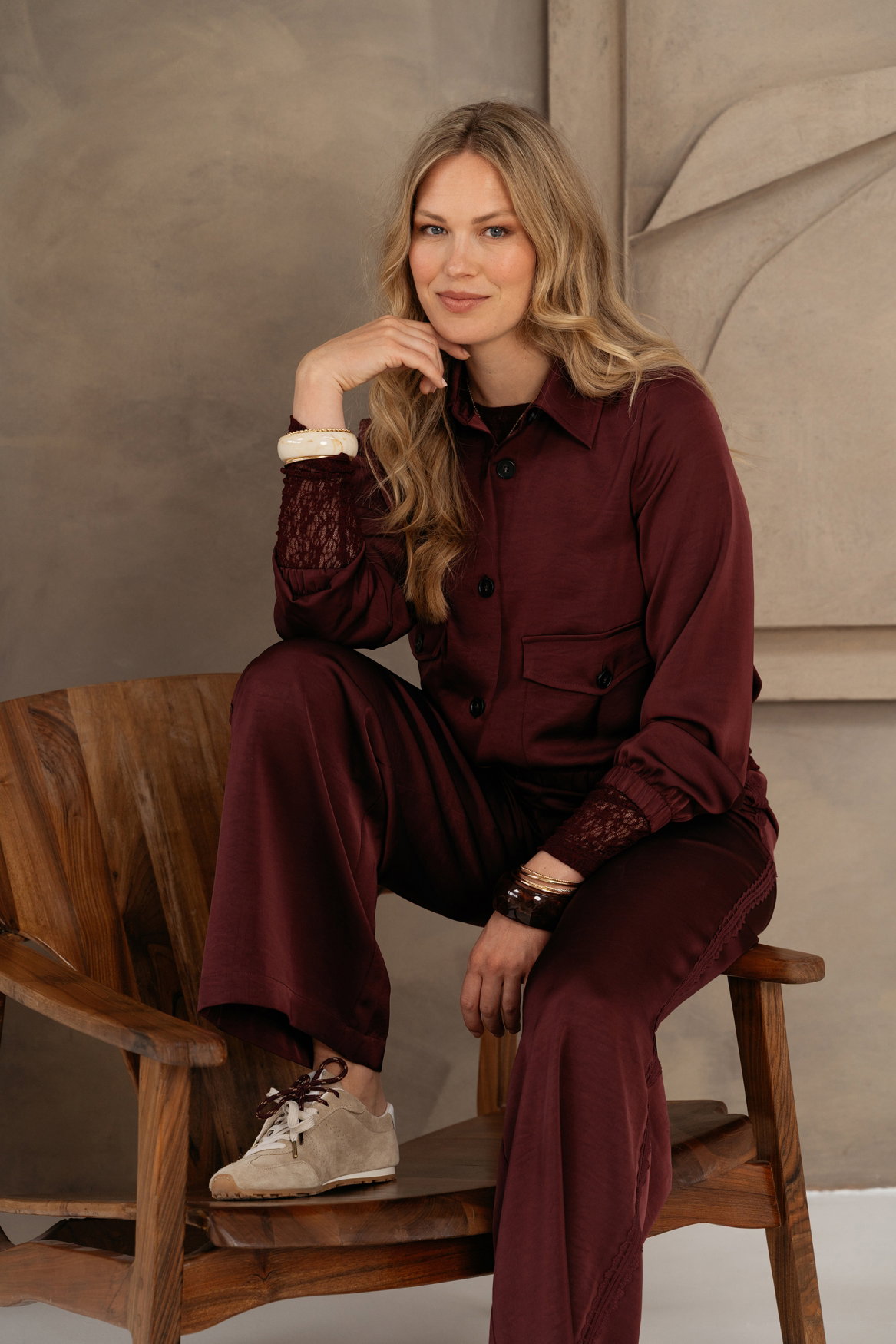
The best colors for a fall-winter capsule wardrobe are warm neutrals such as camel, taupe, cream, dark brown and charcoal, combined with deeper accent colors such as burgundy, moss green, terracotta or navy. These shades suit the season and pair easily with one another, which instantly makes your capsule wardrobe more practical.
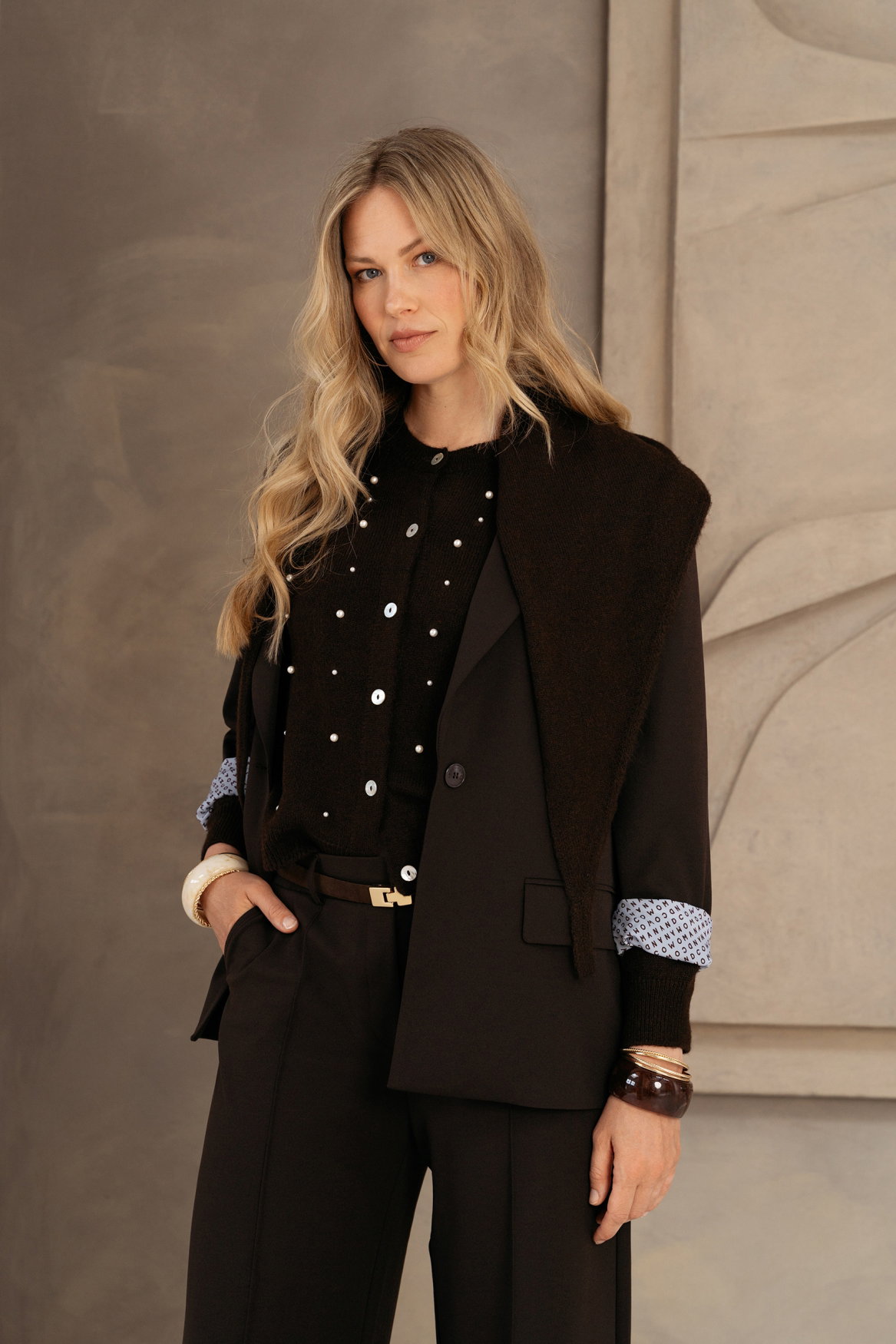
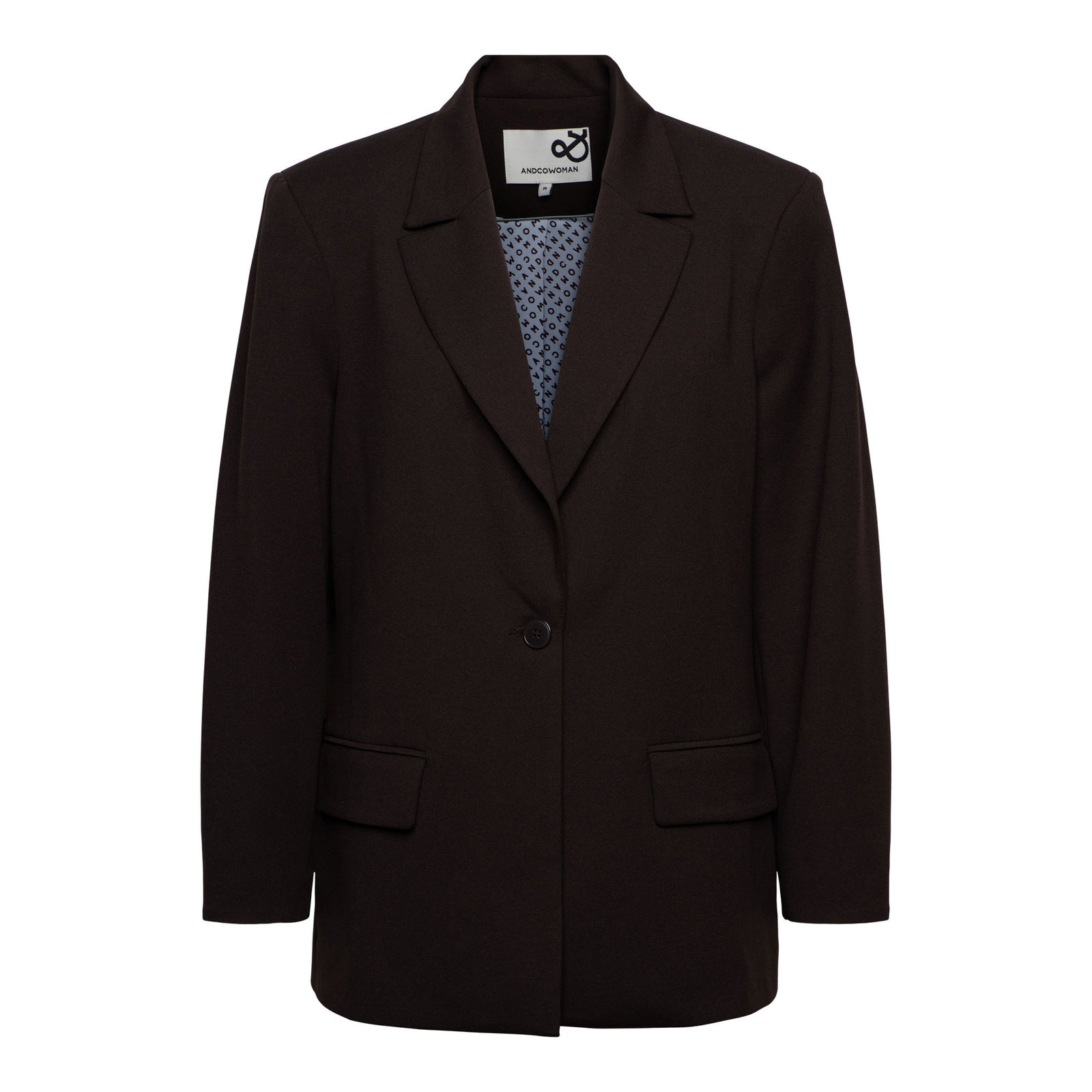
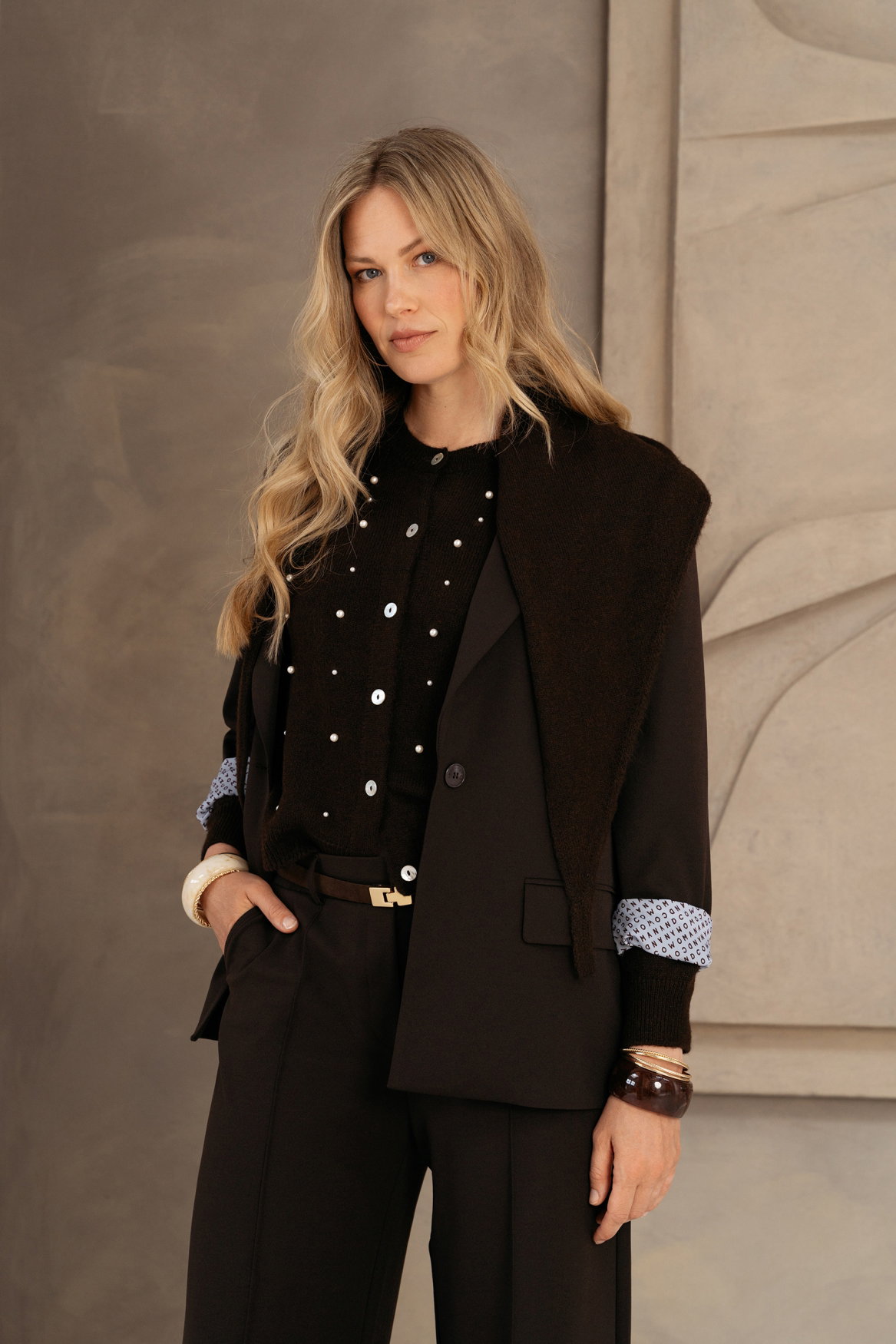
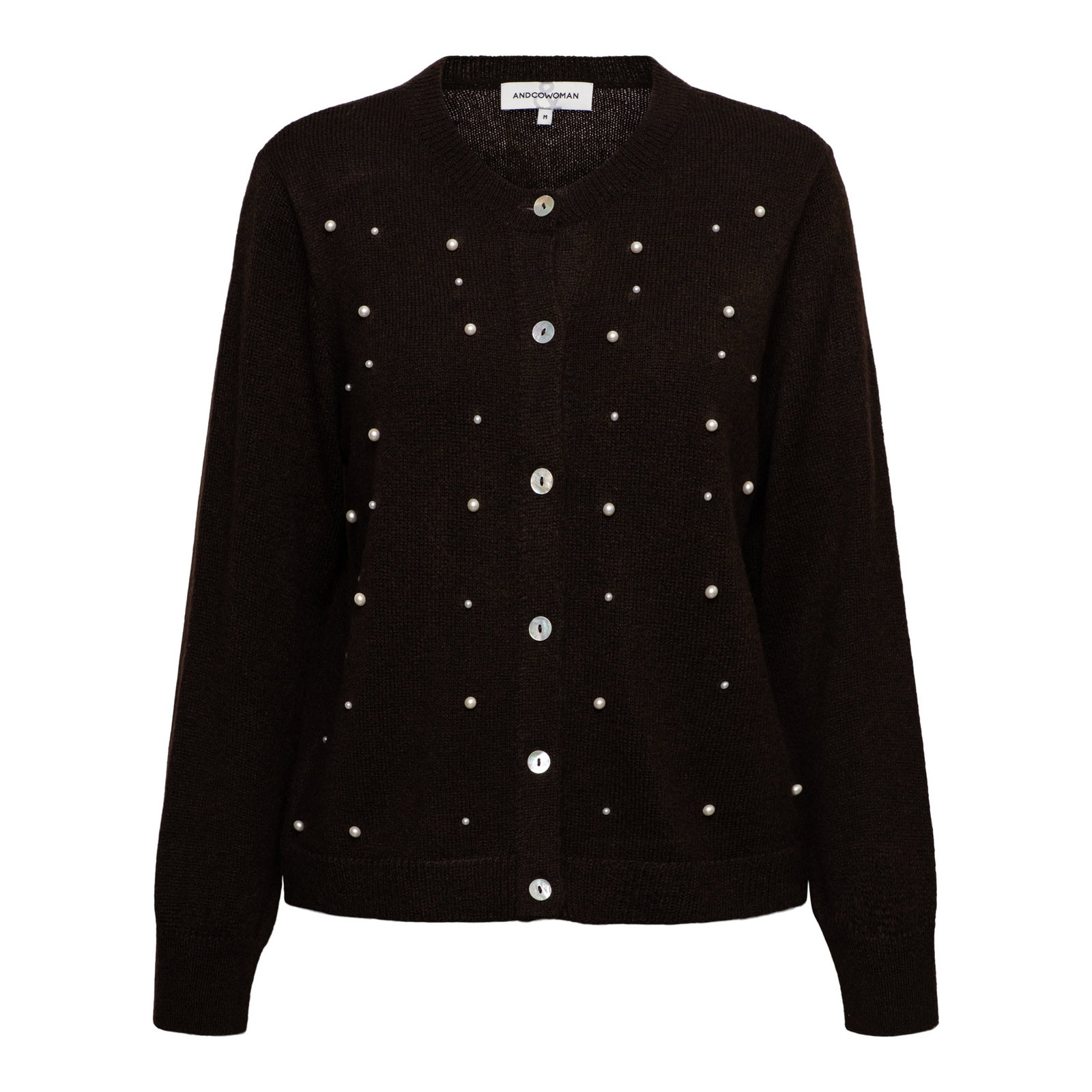
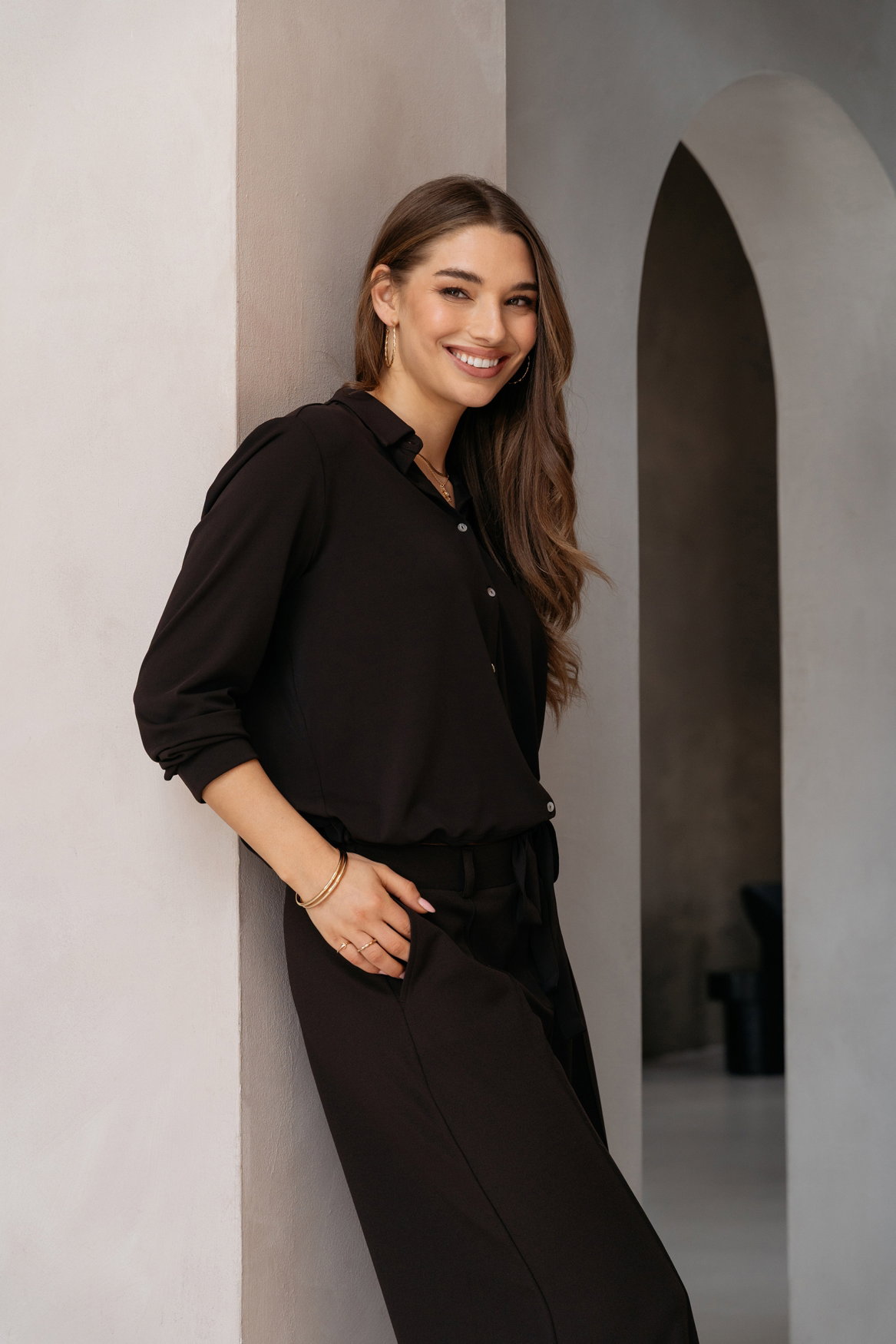
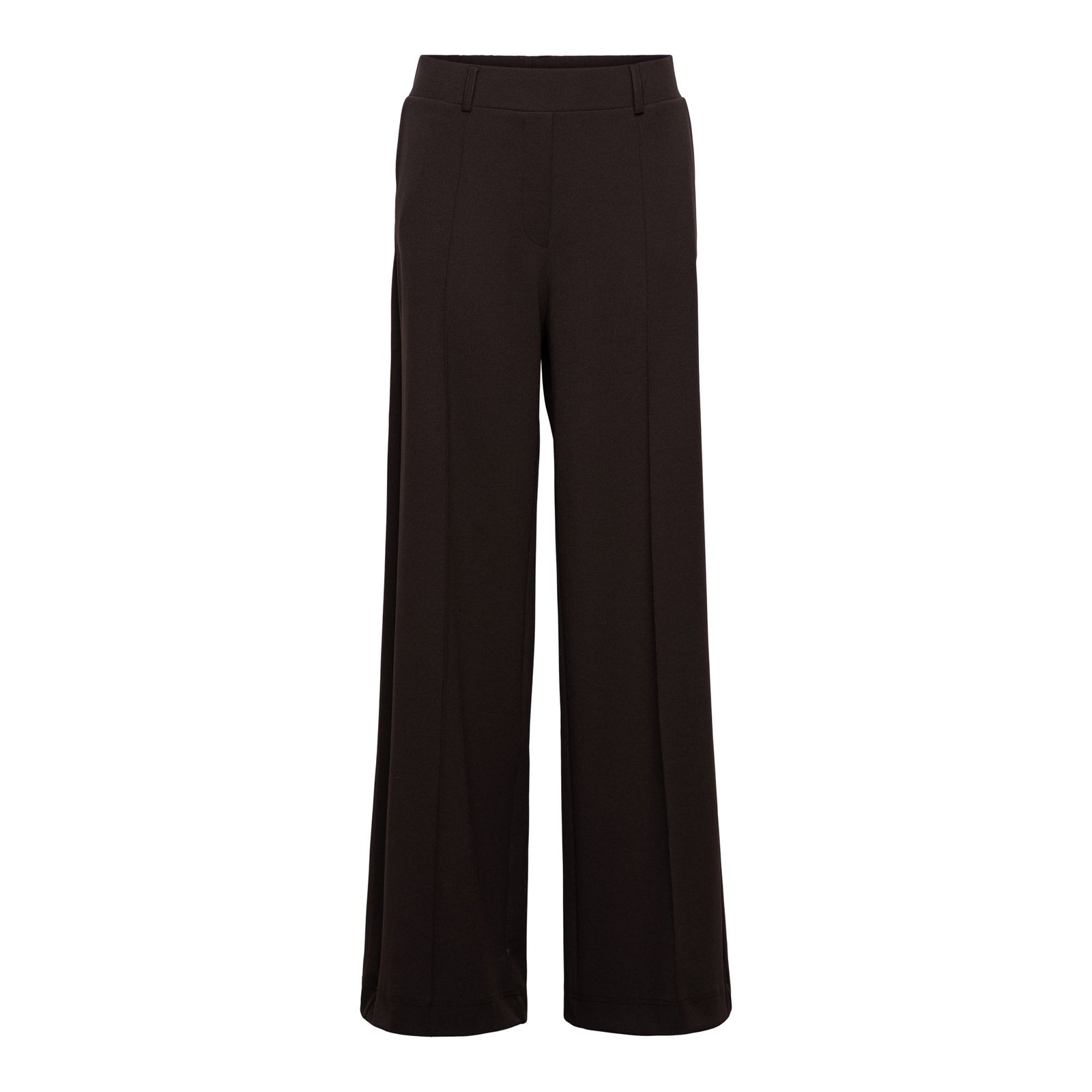
What makes these colors so strong is that they’re timeless without ever becoming boring. Camel and taupe act as connecting colors: they go with almost everything and give your outfit a polished look without much thought. Dark brown is a great alternative to black and feels warmer in the colder months.
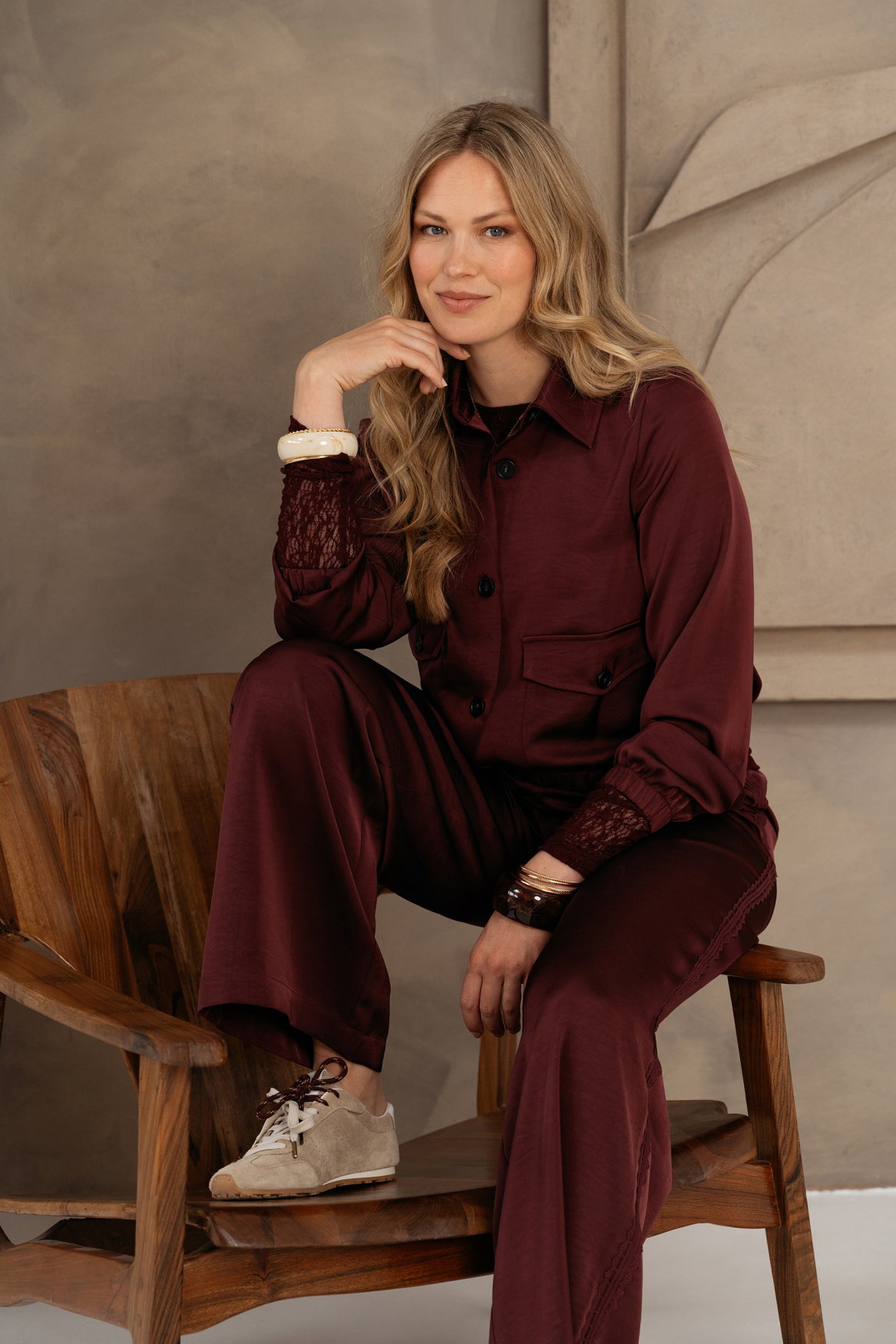
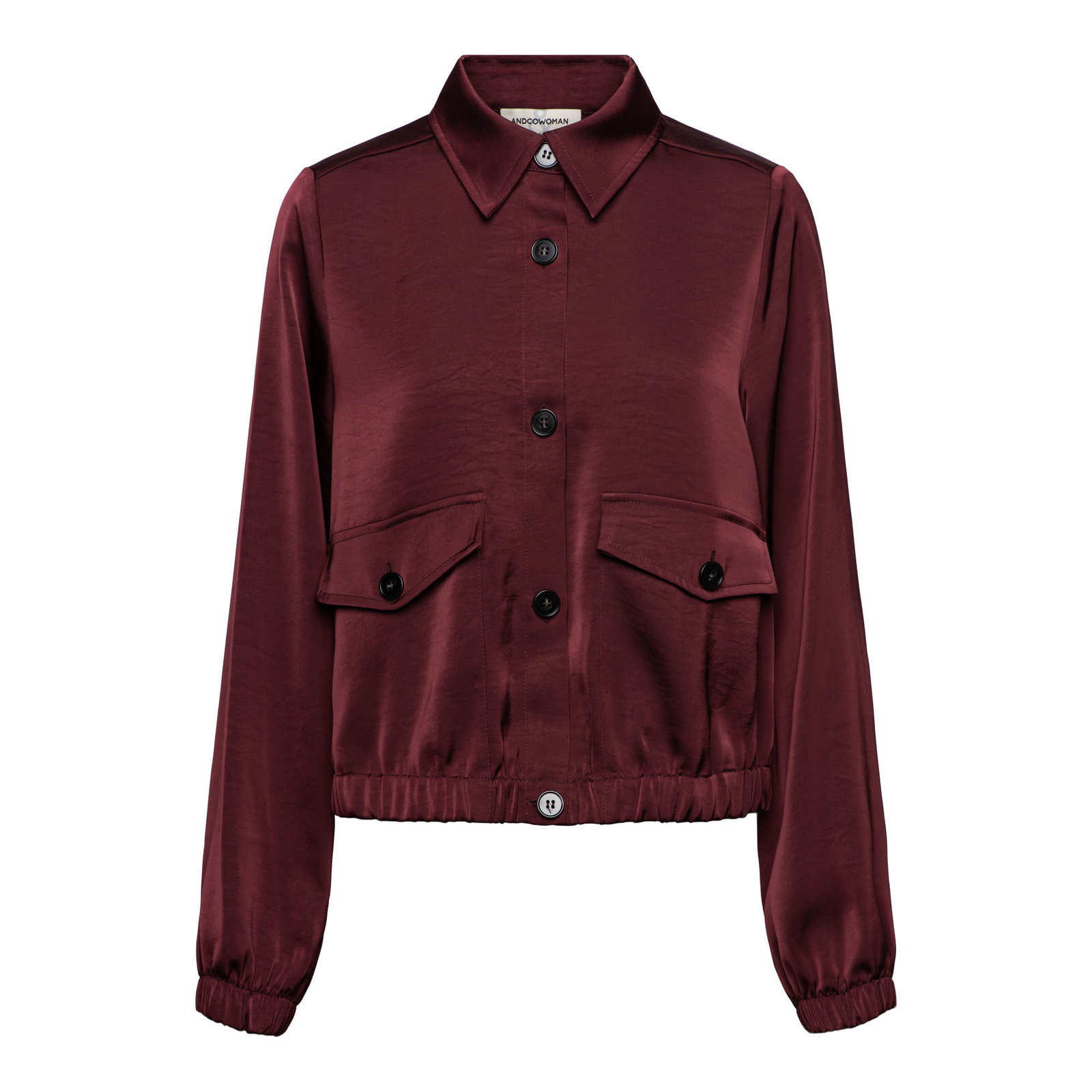
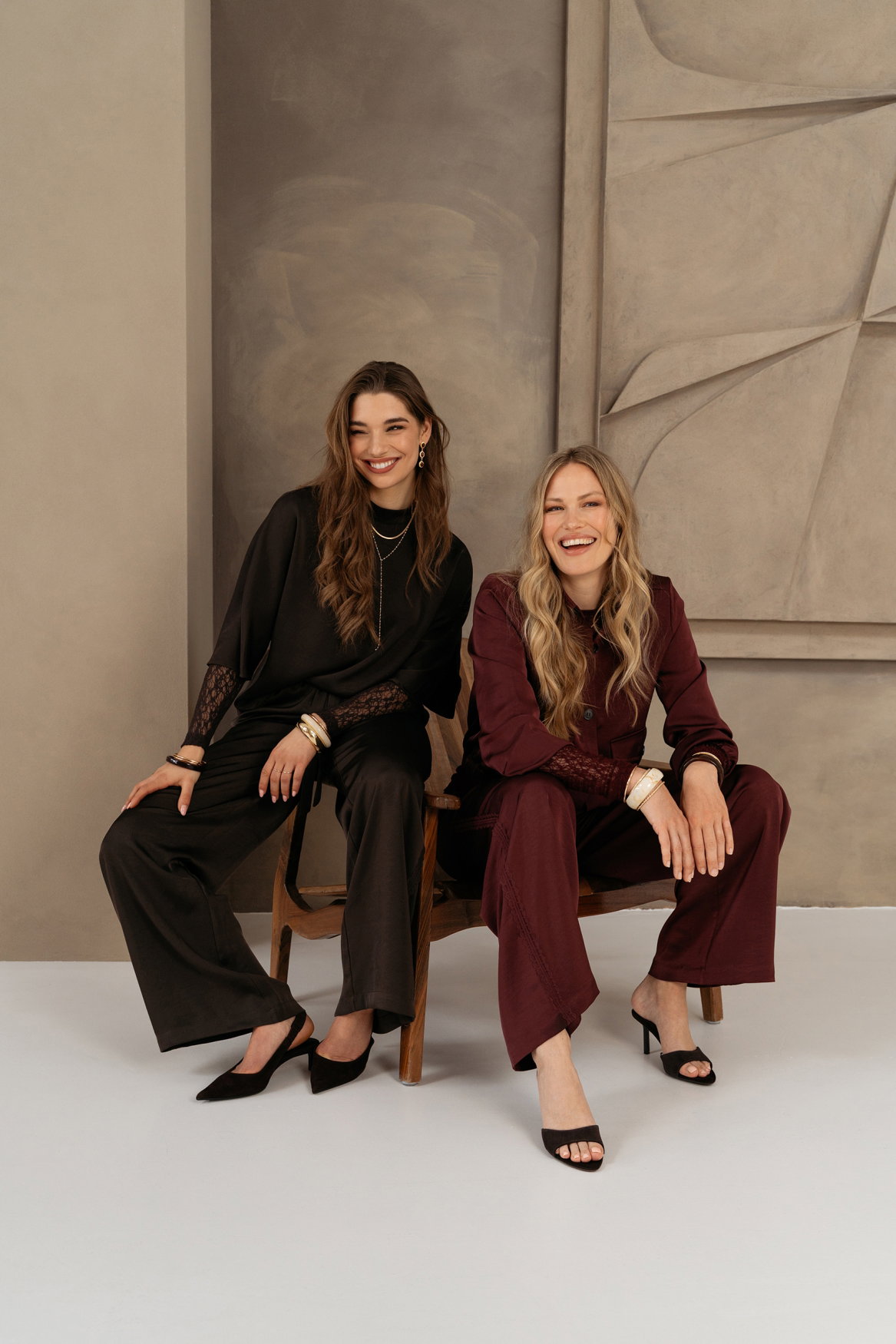
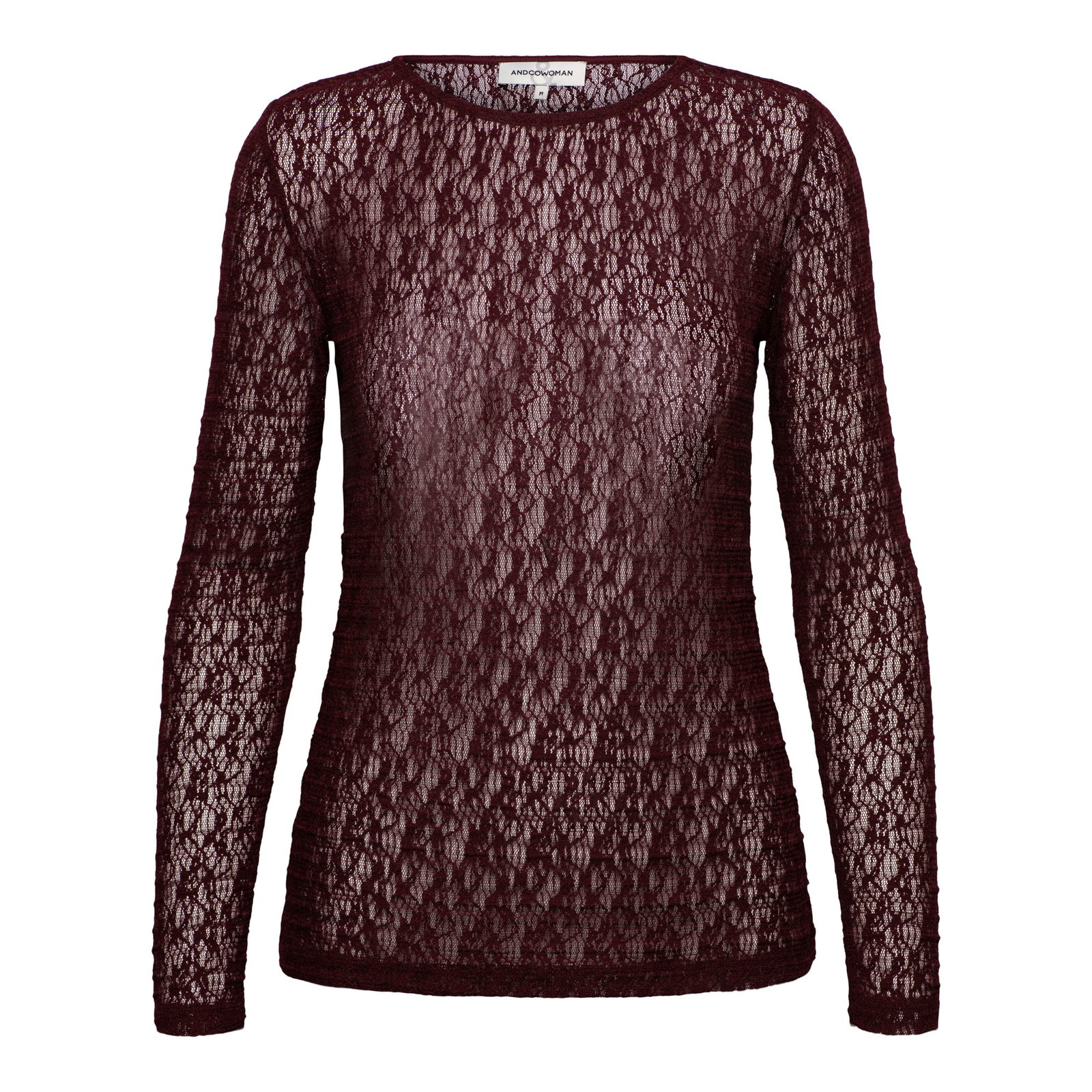
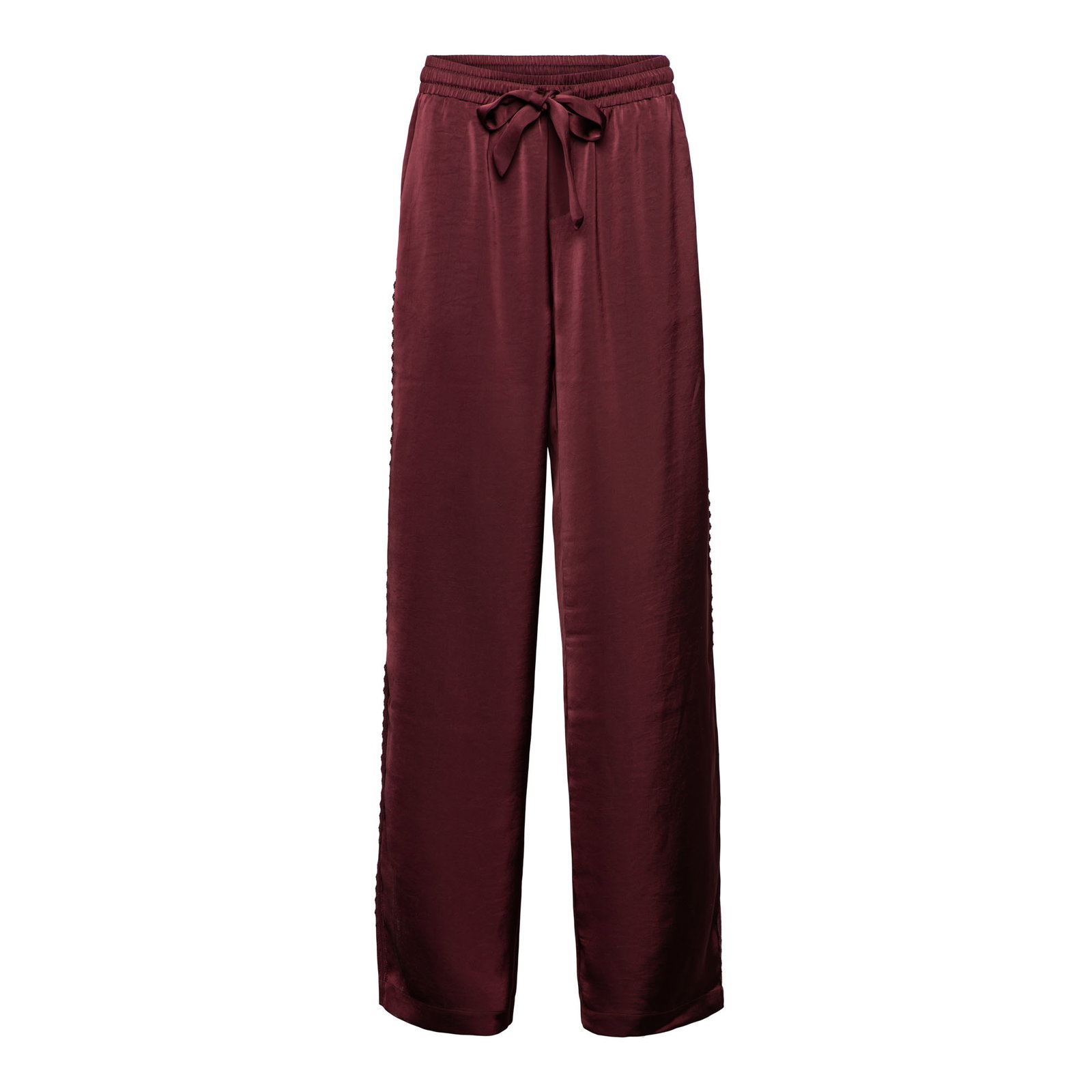
Accent colors such as burgundy or moss green add character to your wardrobe without requiring separate outfits. A burgundy blouse pairs just as well with your brown pants as with your charcoal gray blazer. That way, you increase the number of outfits you can put together without buying more clothes.
How many colors does a capsule wardrobe need?
A well-built capsule wardrobe needs three to five colors: two or three base colors that form the core, complemented by one or two accent colors. Any more than that makes it harder to combine pieces and increases the chance of owning items that only go with a few other pieces.
It’s not about the number of colors, but about how well they work together. Choose base colors you naturally wear often and that suit your skin tone. Then deliberately add one or two colors that energize you and that you love to wear. That’s enough to put together a complete, cohesive outfit every day.
A practical guideline: when you’re considering a new piece, check whether it goes with at least three other items in your wardrobe. If it doesn’t, it probably doesn’t fit your color palette, and you’ll end up wearing it less than you think.
What’s the difference between base colors and accent colors in a capsule wardrobe?
Base colors are the neutral shades that form the backbone of your capsule wardrobe, such as black, white, gray, camel and navy. They go with everything and are the colors you wear most. Accent colors are the richer or brighter shades that give your outfit personality, but appear in smaller amounts.
In practice, this means you often choose pants, coats and basic tops in base colors, while picking blouses, scarves or a statement sweater in an accent color. That balance gives you the most ease when combining. You can also bring in an accent color through accessories if you’d like to start small.
The distinction also helps you when shopping. Ask yourself with every piece: is this a base color or an accent color? If you already have two accent colors in your wardrobe, don’t just add a third. That keeps you from owning pieces that are hard to combine.
How do you combine warm and cool tones in a fall-winter outfit?
The best way to combine warm and cool tones is to choose one dominant temperature and use the other as an accent. If you mainly wear warm shades such as camel and terracotta, add a cool shade such as blue-gray or navy for contrast. This creates balance without making the outfit look busy.
A common mistake is mixing too many warm and cool colors in one outfit. That makes a look busy and hard to read. Deliberately choose a warm or cool foundation and use the other temperature sparingly.
A practical example: a camel coat over a navy sweater and cream pants works well, because navy as a cool shade anchors the warm camel. The other way around, a gray-blue coat works beautifully over a burgundy sweater, with the warm accent color livening up the cool base.
Which colors are timeless enough for multiple seasons?
The most timeless colors for a capsule wardrobe are navy, cream, charcoal, camel and olive green. These shades work in both fall-winter and spring-summer and never truly go out of style. They form the strongest foundation for a wardrobe you can keep wearing year after year.
Navy may well be the most versatile color there is: it works with warm and cool tones, suits both casual and formal occasions, and looks fresh in summer and deep and rich in winter. Camel has that same quality: it’s warm enough for fall and winter, yet too light to be reserved for the dark months alone.
Olive green has increasingly earned classic status in recent years. It pairs surprisingly well with neutral shades and is a strong alternative for anyone who isn’t fond of the standard camel-brown combination. For your fall 2026 capsule wardrobe, this is a color you can confidently wear for a long time.
How do you choose colors that suit your skin tone?
You choose colors that suit your skin tone by checking whether you have a warm or cool undertone. If you have a warm undertone (golden or olive skin), warm shades such as camel, terracotta and moss green look great on you. If you have a cool undertone (pink skin or blue veins on your wrist), cool shades such as navy, lavender and cool gray are more flattering.
Warm skin tones
With a warm skin tone, earthy shades work best: camel, rust brown, olive green, terracotta and cream. Avoid harsh cool shades such as ice blue or fuchsia close to your face, as they can make your skin look dull. A warm burgundy or a deep orange-brown works beautifully as an accent color.
Cool skin tones
With a cool skin tone, off-white, navy, charcoal, lavender and cool shades suit you best. Bold warm colors such as orange or mustard yellow can clash with your undertone. Burgundy is one of the few warm shades that also works well with cool skin tones, because it contains enough red to complement your undertone.
Which color mistakes should you avoid in a capsule wardrobe?
The biggest color mistakes when building a capsule wardrobe are: choosing too many different colors, buying accent colors that don’t go with your base, and choosing colors you like but rarely wear. A capsule wardrobe only works if all pieces can be combined with one another, and that starts with a coherent color palette.
Another common mistake is buying pieces in trendy colors that only last one season. After a year, they no longer fit your wardrobe, and you end up having to invest again and again. Opt for timeless shades instead and add trends through small accessories such as a scarf or belt.
Finally: let go of the idea that your wardrobe should be entirely black because it’s easy to combine. Black is indeed versatile, but an all-black palette can feel heavy in fall and winter. Mix it up with warm neutrals and your outfits instantly become lighter and more appealing.
At &Co Woman, you’ll find fall-winter collections that are already built around a thoughtful color palette, so you can see right away how pieces work together. Want to get started yourself? Explore the collection and get inspired by colors that truly work for you.