
Which neutral colors are on trend in 2026?
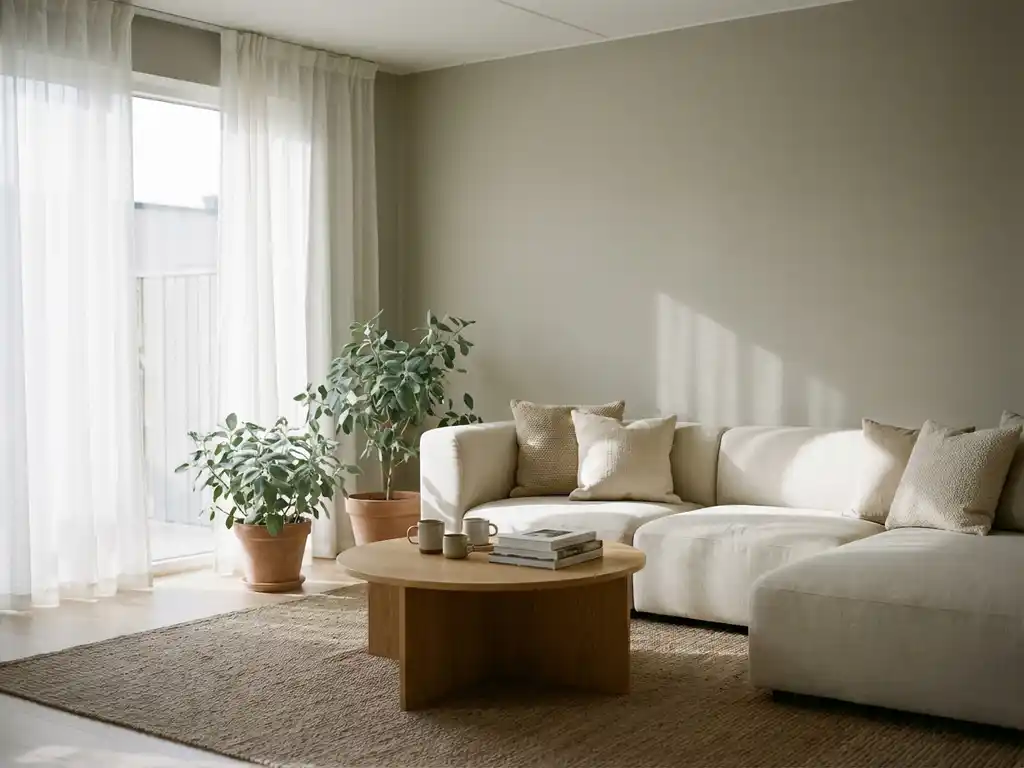
In 2026, warm, refined neutrals dominate fashion, with a focus on soft earth tones and modern interpretations of classic neutrals. Warm greige, soft terracotta, misty taupe and organic sand are the key spring colors of 2026, giving your wardrobe a fresh twist. These new neutral colors offer more depth and personality than traditional beige or gray, while still keeping the timeless versatility neutrals are known for.
What are neutral colors and why do they stay so popular?
Neutral colors are shades without strong color pigments, such as white, black, gray, beige, brown and navy. They form the foundation of every wardrobe because they are easy to combine with other colors and never go out of style. Their timeless appeal lies in their versatility and their ability to flatter every figure without demanding attention.
The psychology behind neutrals is all about calm, elegance and professionalism. These colors radiate confidence without being overbearing. When building a wardrobe, they are indispensable, because a handful of neutral basics lets you put together countless outfits. You don’t have to think about what goes together: everything works.
Generation after generation, neutral colors stay relevant because they adapt to the spirit of the times. Where beige was once considered dull, we now see warm, rich variations like taupe that exude personality. Modern interpretations of neutrals prove that timeless doesn’t have to mean predictable.
Which new neutral shades dominate fashion in 2026?
The spring colors of 2026 bring a revolution in neutrals, with warm greige leading the way: a perfect blend of gray and beige with warm undertones. Soft terracotta adds an earthy touch without being too bright, while misty taupe bridges brown and gray with a modern twist. Organic sand brings the warmth of the desert to your wardrobe.
These modern takes on classic neutrals get a fresh update through subtle undertones. Think greige with a hint of lavender, taupe with a rosy tinge, or sand with golden accents. These nuances make the difference between dull and sophisticated. They add depth to your outfit without losing the versatility of true neutrals.
The shift toward warmer neutrals reflects our need for comfort and a sense of security. These earthy, wearable colors feel like a warm hug and radiate natural elegance. They work perfectly for both business and casual occasions and fit seamlessly with the dressed-for-the-occasion principle.
How do you combine different neutral colors for a stylish look?
Layering neutrals is all about creating depth through tonal variation. Start with a light base, such as ivory or soft beige, add a mid-tone, such as taupe or greige, and finish with a dark accent, such as chocolate brown or charcoal. Texture variation is your secret weapon: combine smooth fabrics with knits, linen with leather, or cotton with wool.
Tone-on-tone styling with neutrals works best when you stay within the same color family but play with different intensities. An outfit in various shades of beige—from cream to camel—looks rich and considered. Pay attention to undertones: warm neutrals (with yellow or red undertones) pair best with each other, just like cool neutrals (with blue or gray undertones).
For interesting outfits without bright colors, focus on silhouettes and details. An oversized blazer in greige over a fitted ivory turtleneck, with wide-leg pants in taupe, creates movement and balance. Accessories in different neutral shades—a cognac bag, nude shoes, a gold necklace—add personality without disturbing the harmony.
Which neutral color best suits your skin tone?
For warm skin tones with golden or olive undertones, neutrals with warm undertones work best. Think camel, warm beige, chocolate brown, cognac and the new favorite, warm greige. Cool skin tones with pink or blue undertones glow in cool neutrals, such as pure gray, taupe with gray undertones, navy and crisp white.
Finding the right nuance to enhance your natural look takes some experimenting. Hold different neutral shades up to your face in natural light. The right color makes your skin glow and your eyes sparkle, while the wrong shade can make you look dull or washed out. Neutral skin tones have the advantage of being able to wear both warm and cool neutrals.
For deeper skin tones, rich, deep neutrals like espresso, mahogany and warm gray look beautiful. Lighter skin types can wear subtler shades like nude, soft pink and light greige without fading away. The secret is contrast: make sure there’s enough difference between your skin tone and the neutral color for definition.
What is the difference between beige, taupe and greige?
Beige is a warm neutral with yellow or pink undertones: classic and timeless, but sometimes seen as dull. Taupe is more complex: a mix of brown and gray that can be warm or cool, depending on its exact composition. This warm, earthy shade has enjoyed a real revival this season. Greige combines the best of gray and beige, creating a versatile shade that goes with almost any other color.
Undertones make the crucial difference. Beige leans toward yellow, orange or pink, which gives it a warm look. Taupe can have purple, green or pink undertones, making it more mysterious. Greige balances between warm and cool, making it the perfect neutral for anyone torn between beige and gray.
Each of these colors has its strengths for different occasions. Beige works beautifully for casual, relaxed settings and spring/summer outfits. Taupe adds sophistication to business attire and evening wear. Greige is the ultimate all-rounder: from office to weekend, from morning to evening. The spring colors of 2026 show that greige, especially combined with other modern neutrals, creates a fresh, current look.
How do you build a capsule wardrobe with neutral colors?
A neutral capsule wardrobe starts with choosing your base colors. Select two to three neutral shades that suit your skin tone and complement each other—for example white, greige and navy, or ivory, taupe and chocolate brown. These colors make up 80% of your wardrobe and ensure that everything can be combined.
The key pieces for your neutral capsule wardrobe are: perfectly fitting pants in your main color, two to three tops in different neutral shades, a blazer in greige or taupe, a dress that goes from day to evening, a trench coat in beige or sand, and comfortable basics in white and black. Invest in quality: with neutral colors, a poor fabric or fit stands out more. Choose fabrics like soft modal for easy, comfortable yet chic looks.
Mix-and-match becomes child’s play with a neutral base. Every top goes with every pair of pants, your blazer works over everything, and your accessories don’t need to match perfectly. Add personality by playing with textures, interesting cuts and statement accessories. A silk blouse in champagne, a structured cognac bag, or a pair of shoes with a special detail make your neutral outfit unique. At &Co Woman you’ll find exactly those versatile neutral pieces that form the foundation of a wardrobe in which you always feel well dressed.