
What should you look for when buying heavy travel clothing?
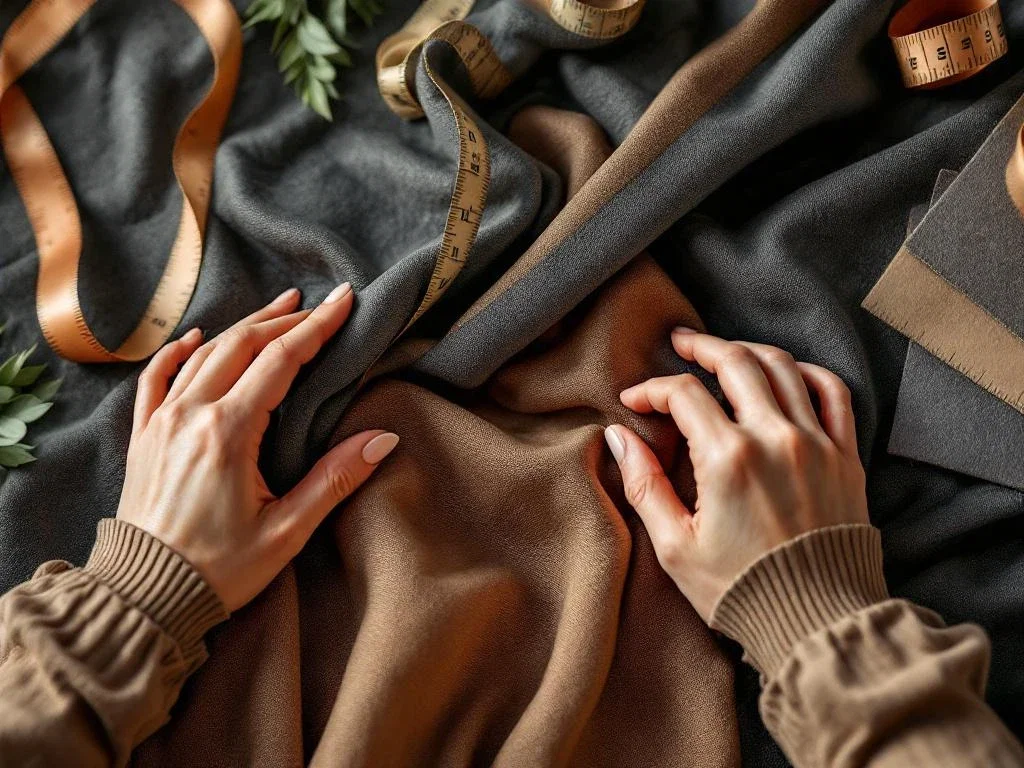
When buying heavy travel clothing, the key things to look for are durability, functionality and versatility. This specialized travel wear needs to withstand intensive use, dry quickly, stay wrinkle-free and suit different climates. The right materials, such as technical fabrics and merino wool, a well-thought-out fit with freedom of movement, and practical details like secure pockets are what set true travel clothing apart from everyday clothing.
What exactly is heavy travel clothing?
Heavy travel clothing is specially designed for intensive travel and stands out from regular clothing thanks to extra durability, multifunctionality and technical properties. These garments need to handle daily wear, dry quickly after washing and suit different climates, without you having to bring an entire wardrobe.
The main difference from regular clothing lies in the materials and construction. Travel clothing is made from technical fabrics that stay wrinkle-free, don’t build up static, are breathable and yet hard-wearing. You can wear these pieces intensively for years without them losing their shape or color.
The functionality of heavy travel clothing goes beyond the fabric alone. These garments are designed with practical use on the road in mind. Think of pants you can roll up into bermudas, shirts with hidden pockets for valuables, and jackets that fold compactly into their own pocket.
Heavy travel clothing is ideal for different climates because it often works on the layering principle. You can easily combine pieces for warmth or for a lighter feel. The fabrics regulate temperature and moisture effectively, so you stay comfortable whether you’re in the tropics or traveling in cooler regions.
Which materials are best for travel clothing?
The best materials for travel clothing are merino wool, technical polyamide-elastane blends and modern synthetic fabrics that dry quickly and stay wrinkle-free. Merino wool is naturally antibacterial and temperature-regulating, but can be more expensive. Technical fabrics such as polyamide with elastane offer excellent stretch, dry within a few hours and hold their shape perfectly.
A big advantage of merino wool is that it doesn’t pick up odors, even after several days of wear. The downside is that it needs gentler washing and takes longer to dry than synthetic alternatives. Merino is ideal for underwear and shirts, but for pants and jackets, technical fabrics are often more practical.
Modern travel fabrics such as polyamide-elastane blends (for example 87% polyamide, 13% elastane) offer the perfect balance between comfort and functionality. These fabrics dry quickly, are wrinkle-free, breathe well, don’t build up static and don’t pill. You can wash them at 30 degrees and they’re dry again within a few hours, no ironing needed.
The breathability of travel clothing depends largely on the weave and finish of the fabric. Good travel fabrics wick moisture away while still staying windproof. When shopping, look for fabrics developed specifically for travel collections; they usually offer the best balance of all the desired properties.
How many pieces do you need for a complete travel wardrobe?
For a complete travel wardrobe you need about 15-20 pieces that all mix and match. This includes 3-4 pants, 5-7 tops, 2-3 layers for warmth, underwear for a week and a few accessories. With this, you can travel for two weeks without doing laundry, or indefinitely if you wash regularly along the way.
The capsule wardrobe principle works perfectly for travel. Choose a base palette of neutral shades such as black, navy, beige or gray, complemented by one or two accent colors. That way every piece goes with everything else, and you create lots of different outfits from just a few items.


Adjust the quantities to the length of your trip. A weekend away calls for 2 pants, 3 tops and 1 cardigan. For a week, pack 3 pants, 5 tops and 2 cardigans. For trips longer than two weeks, you don’t need to bring more; simply wash along the way. Focus on versatile pieces you can wear both during the day and in the evening.
The mix-and-match possibilities matter more than the number of pieces. A good pair of travel pants pairs with a casual shirt for daytime and a dressier blouse for dinner. Choose pieces that go from casual to chic with simple tweaks, like rolling up your sleeves or adding a scarf.
What should you look for in the fit of travel clothing?
When it comes to the fit of travel clothing, freedom of movement is the most important thing, followed by comfort during long periods of sitting. Choose a relaxed but not overly wide fit that doesn’t pinch at the waist or knees on flights or bus rides. Stretch in the fabric (at least 10-15% elastane) ensures optimal freedom of movement without losing shape.
Layering requires clothing that isn’t too tight. You should be able to comfortably wear a shirt under a blouse, with a cardigan on top, without anything pinching or feeling uncomfortable. Test this when shopping by bending over, stretching your arms and squatting.
For long travel days, the fit around the waist and hips is especially important. Avoid waistbands that are too tight and start to pinch after hours of sitting. Opt for pants with a comfortable, possibly elasticated waistband, or pieces with an adjustable drawstring. The length of shirts matters too: they should be long enough not to ride up when you move.
When trying things on, look for adjustable details such as drawstrings, elastic bands and zip-off legs. These let you adapt the fit to different situations and temperatures. Pants with zip-off legs, for example, give you the flexibility of both long pants and shorts in one piece.
What are the most important functional details in travel clothing?
The most important functional details in travel clothing are secure zip pockets, convertible designs and protective properties. Zippered pockets are essential for safely storing your passport, phone and money. Convertible pieces such as zip-off pants or jackets that turn into a backpack save space and weight in your luggage.
UV protection (UPF 30-50) is useful for trips to sunny destinations, especially in shirts and caps. It means you don’t need sunscreen on covered areas of your body. Insect-repellent treatments can be handy for tropical destinations, but they often lose their effect after a few washes.
Truly useful features include: multiple zippered inside pockets for valuables, underarm vents for temperature regulation, and zip-off details for versatility. Marketing gimmicks are often features you never actually use, such as too many tiny pockets or complicated convertible systems that take too long to adjust.
Other practical details that make a difference: flat seams that don’t chafe when you wear a backpack, reinforced stitching in high-stress areas, and labels that don’t irritate. A good pair of travel pants, for example, is reinforced at the knees and seat, without it being visible or restricting your movement.
How do you test whether clothing is suitable for heavy travel?
Test whether clothing is suitable for heavy travel by evaluating the wrinkle test, quick-drying properties and wearing comfort. For the wrinkle test: scrunch the garment tightly in your fist for five minutes, let go and see how quickly the creases disappear. Good travel clothing is smooth again within a few minutes. Wash an item at 30 degrees and check whether it’s dry within 2-4 hours without a dryer.
The wash test at home is important: wash the item according to the care instructions and watch for loss of shape, fading and drying time. Good travel clothing keeps its shape and color after dozens of washes. Hang it up wet and time how long it takes to dry – ideally, it’s dry overnight so you can wear it the next day.
To evaluate wearing comfort: wear the item for a full day during different activities. Notice whether it stays in place as you move, whether it chafes under a backpack, and whether it stays comfortable during long periods of sitting. Also test its breathability by checking that you don’t get too warm when you’re active.
A practical in-store checklist: check the quality of the zippers (smooth and sturdy), test the stretch by squatting and stretching your arms, feel whether the fabric is pleasant against your skin, check that the seams are finished flat, and ask about the exact fabric composition. Pieces with at least 10% elastane usually offer good stretch and shape retention.
How &Co Woman helps you find the perfect travel clothing
&Co Woman offers a complete solution for all your heavy travel clothing needs, with a carefully curated collection that meets every demand of intensive travel. Our travel clothing combines style with functionality, so you always look great while enjoying the comfort of technical materials.
What makes &Co Woman unique:
- An extensive collection of wrinkle-free, quick-drying materials
- Well-thought-out fits with optimal freedom of movement
- Practical details such as secure zip pockets and convertible designs
- Color-coordinated capsule collections for endless mix-and-match possibilities
- Durable quality that lasts for years
Discover our travel collection now and experience for yourself why thousands of travelers rely on &Co Woman for their perfect travel wardrobe. Shop today and make your next trip unforgettably comfortable!