
Is heavy travel thicker than regular travel fabric?
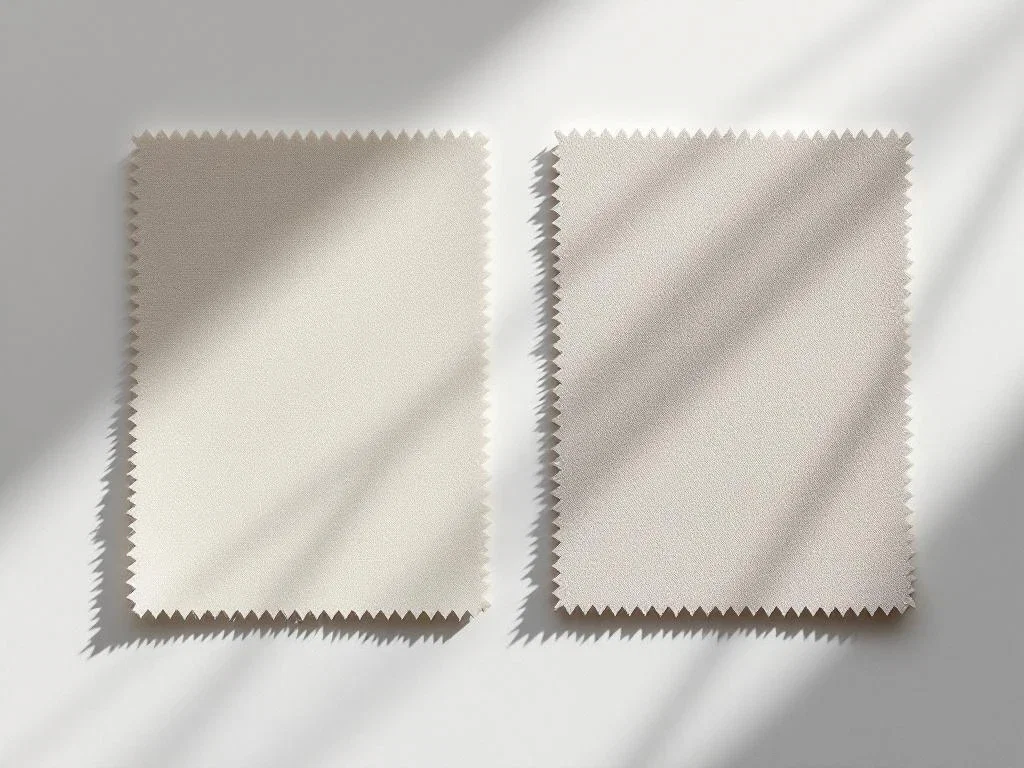
Heavy travel fabric is thicker and heavier than regular travel fabric, weighing approximately 280-350 grams per square meter compared to 180-250 grams for regular travel. The difference lies mainly in the denser weave and extra yarns, which give heavy travel more body, help it hold its shape better and make it less sheer. This thicker version feels sturdier and drapes more smoothly, making it ideal for blazers, pants and dresses that need structure.
What is the difference between heavy travel and regular travel fabric?
The main difference between heavy travel and regular travel fabric lies in the weight and density of the weave. Heavy travel weighs between 280 and 350 grams per square meter, while regular travel fabric usually falls between 180 and 250 grams. These extra grams come from a denser weave with more yarns per square centimeter.
The weave of heavy travel has a more compact construction in which the threads sit closer together. This gives the fabric more firmness without losing the typical travel qualities such as wrinkle recovery and quick drying. You notice the difference right away when you lay both fabrics side by side – heavy travel has more body and drapes more heavily.
In practice, heavy travel feels like a more luxurious version of the familiar travel fabric. Where regular travel can sometimes feel a little thin, especially in light colors, heavy travel has a more substantial hand. The material stays supple but has just that little bit of extra weight, so garments drape more beautifully. A blazer in heavy travel, for example, holds its shape better than one in regular travel, without sacrificing comfort.
The technical properties remain largely the same – both fabrics are made from synthetic fibers that dry quickly and barely wrinkle. The difference is mainly in the density: where regular travel can sometimes be slightly sheer, heavy travel is completely opaque. This makes it especially suitable for workwear where you don’t want your underwear to show.
How do you recognize heavy travel fabric when shopping?
In the store, you can recognize heavy travel by taking the fabric between your thumb and index finger and rubbing it gently. The fabric feels thicker and more substantial than regular travel, yet still drapes softly. Pay attention to the weight – lift the garment and you’ll immediately feel that it’s heavier than regular travel clothing, without feeling bulky.
Visually, you can recognize heavy travel by the way it drapes. The fabric has more natural structure and doesn’t hang limply like thinner fabrics. When you see a blazer or dress on the rack, heavy travel holds its shape better. The drape is more fluid and the fabric has a subtle matte sheen that radiates quality.
The label sometimes offers clues, although not all brands explicitly mention the difference. Look for terms like “heavy quality”, “premium travel” or weights above 280 grams. The composition usually stays the same – polyester or a polyester-elastane blend – but the construction is different.
A handy check is the see-through test: hold the garment up to the light. With heavy travel you can’t see your hand through it, while regular travel often shows some transparency. The stretch also differs slightly – heavy travel stretches a little less easily because the denser structure offers more resistance.
When do you choose heavy travel instead of regular travel fabric?
Heavy travel is the best choice for garments that need structure and shape retention. Blazers, jackets and suits look much better in heavy travel because the fabric doesn’t lose its shape easily. For a work wardrobe in which you want to look polished without constant ironing, heavy travel is ideal.
Seasonally, heavy travel plays an especially important role in spring and fall. The thicker fabric offers just a bit more warmth than regular travel, but isn’t as heavy as wool or other winter materials. For transitional seasons, when you need a jacket in the morning but want to be in your blouse by afternoon, heavy travel works perfectly.
For certain garments, it makes the difference between nice and fantastic. Pants in heavy travel, for example, fall more cleanly along the legs without clinging, while regular travel can sometimes stick a little. Dresses with an A-line or pleats benefit from the extra weight because the fabric flares more beautifully as you walk.
Personal preference plays a role too, of course. Some women appreciate that heavy travel offers more coverage, especially in light colors. Others love the more luxurious feel and the way the fabric moves. For frequent travelers, heavy travel is practical as well – it wrinkles even less than regular travel, and an outfit still looks presentable after a long flight.


What are the pros and cons of thicker travel fabric?
The advantages of heavy travel are clear: better shape retention, no sheerness and a more luxurious look. Garments in heavy travel keep their fit all day long, even after sitting for hours. The fabric gives blazers and dresses more structure, so you look more professional without any extra effort.
The opacity of heavy travel solves a common problem. Where regular travel sometimes needs an extra layer, especially in light colors, heavy travel is completely opaque. This saves layers in your outfit and keeps underwear from showing. The thicker structure also creates a more beautiful drape, which makes all the difference in pants and dresses.
Of course, there are also downsides. Heavy travel is warmer than regular travel, which can be less pleasant in summer. The fabric still breathes well, but the extra substance makes it less suitable for tropical temperatures. Heavy travel is also a little less flexible – for sporty pieces or clothing that needs a lot of stretch, regular travel works better.
The weight can be a drawback for some. A complete outfit in heavy travel weighs more than one in regular travel, which you’ll notice especially when packing for vacation. The fabric also takes up a little more space in your suitcase. Price-wise, heavy travel is usually more expensive than regular travel because of the extra materials and the production process.
How do you best care for heavy travel fabric?
It’s best to wash heavy travel at 30 degrees on a short cycle. The thicker fabric doesn’t need more time to get clean, and a short cycle is gentler on the fibers. Use a mild detergent without bleach and wash dark colors inside out to preserve the color. Fabric softener isn’t necessary – it only makes the fabric less breathable.
To dry, ideally hang heavy travel on a hanger. The fabric dries a little more slowly than regular travel because of its denser structure, but still surprisingly fast. Avoid the dryer – although the fabric can handle it, air drying is better for the lifespan of the material. In winter, you can easily dry heavy travel indoors without it smelling musty.
Ironing heavy travel is rarely necessary, but if you do, use a low temperature. The thicker fabric is slightly more sensitive to heat than regular travel. A steam iron works best – the steam removes any wrinkles without you having to apply pressure. Hang the garment up right after ironing to prevent new wrinkles.
When it comes to stains: treat them immediately. Heavy travel is more stain-resistant than many other fabrics, but quick action keeps stains from setting. Blot the stain with a damp cloth and use a little mild detergent if needed. The dense structure of heavy travel keeps most stains on the surface, which makes them easier to remove.
Which garments are ideal in heavy travel?
Blazers and jackets are the absolute stars in heavy travel. The extra firmness keeps shoulders and lapels perfectly in shape, even after a long day. A blazer in heavy travel always looks professional without needing to be ironed – ideal for the working woman who has to rush out the door in the morning.
Pants and dress pants benefit enormously from heavy travel. The fabric falls straight down without clinging to the legs, creating a slim silhouette. The thicker structure also prevents the pants from stretching out at the knees, a common problem with thinner fabrics. For smart pants that stay comfortable all day, heavy travel is the perfect choice.
Structured dresses such as sheath or A-line styles look stunning in heavy travel. The fabric gives the dress body without the need for a slip. Work dresses in particular benefit from these qualities – they keep their shape beautifully and you don’t have to worry about sheerness. A simple straight dress in heavy travel can go from the office to dinner without a change of clothes.
Heavy travel also works wonderfully for jackets and coats in the transitional season. They offer just a bit more warmth than a regular blazer but aren’t as heavy as a winter coat. The water-repellent properties of travel make them practical in a sudden rain shower. For anyone who wants a versatile wardrobe that works all year round, heavy travel pieces are a smart investment that combines comfort with style.
How &Co Woman helps with quality heavy travel clothing
&Co Woman offers a carefully curated collection of heavy travel garments that perfectly meet the needs of the modern working woman. Our heavy travel collection features:
- Timeless blazers and jackets that keep their shape from early morning until late at night
- Perfectly fitting pants that stay comfortable without sagging
- Versatile work dresses for a variety of occasions
- Transitional coats and jackets that combine style with functionality
All &Co Woman heavy travel pieces are designed with an eye for detail and quality, so you’re investing in garments that last for years. Discover our heavy travel collection in the shop today and experience for yourself the difference quality fabric makes to your everyday outfit.
Frequently Asked Questions
Can I alter or adjust heavy travel fabric myself?
Heavy travel is easy to alter with a sharp needle (size 80-90) and polyester thread. Because of the denser weave, it’s slightly trickier to sew than regular travel, but with a good sewing machine and the right settings it works just fine. Use a longer stitch length (3-3.5 mm) and test on a scrap of fabric first to get the tension right.
How do I prevent shiny spots on my heavy travel clothing?
Shiny spots are caused by friction or ironing too hot. Prevent this by always ironing with a pressing cloth or using steam only. If a shiny spot does appear, treat it with a mixture of vinegar and water (1:1) on a cloth and dab gently. Let the fabric air dry and the shine usually disappears on its own.
Is heavy travel suitable for people with sensitive skin?
Heavy travel is usually no problem for sensitive skin because the denser weave creates a smoother surface with less friction. Do opt for garments with a lining made of natural materials such as cotton or viscose for direct skin contact. Always test new pieces for a few hours first to see how your skin reacts.
How long does heavy travel clothing last on average?
With proper care, heavy travel clothing lasts for years – often longer than regular travel thanks to its sturdier structure. A blazer or pair of pants worn weekly easily stays beautiful for 3-5 years. The fabric doesn’t pill, barely fades and keeps its shape. Invest in timeless styles, because the quality of heavy travel justifies long-term wear.
Which accessories and shoes go best with heavy travel outfits?
Heavy travel pairs beautifully with leather accessories such as handbags and belts that enhance the professional look. For shoes, pumps, loafers and ankle boots work perfectly with the structured look. Avoid overly casual items such as canvas sneakers or fabric bags – they contrast too much with the dressy look of heavy travel.
Can I fold heavy travel clothing in my suitcase without wrinkles?
Yes, but for the fewest wrinkles, roll your clothes instead of folding them. Place tissue paper between the layers and roll loosely from the shoulders (for blazers) or from the waistband (for pants). In your hotel room, hang everything up right away – any wrinkles often disappear on their own thanks to the fabric’s weight. A travel steamer is handy but usually not necessary.