
How do you wash a stretch dress without it losing its shape?
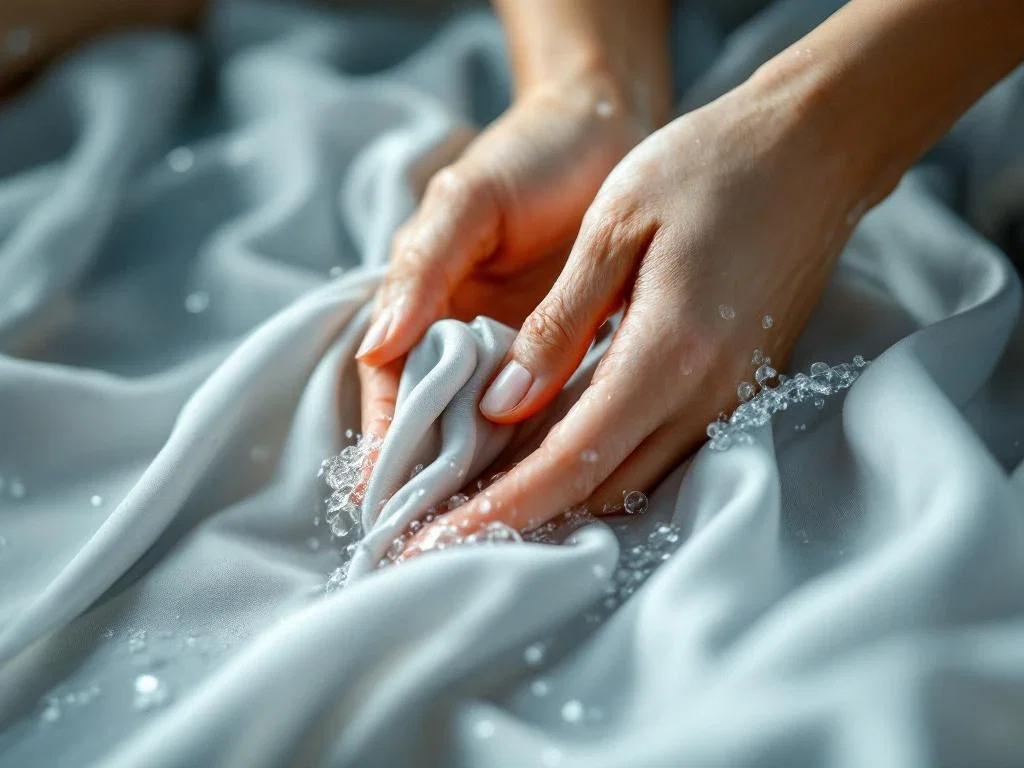
Washing a stretch dress without it losing its shape takes the right approach. Wash your stretch dress at 30 degrees on a delicate cycle, use a mild detergent without fabric softener, and let the dress dry flat instead of hanging it up. By following these simple steps, you’ll preserve the elasticity and fit of your favorite dress for years.
Why is it important to wash a stretch dress properly?
Stretch dresses contain elastic fibers such as elastane or Lycra, which lose their shape when treated the wrong way. These fibers are sensitive to heat, harsh detergents and mechanical friction. At temperatures that are too high, the elastic fibers shrink permanently, so your dress loses its stretch and no longer fits beautifully.
The composition of stretch fabrics makes them especially vulnerable during washing. Elastane can make up as much as 9% of the fabric composition, as we see in many garments. These fibers give your dress that lovely stretch and help it bounce back after wearing. But it’s exactly these qualities that call for extra care.
When you wash a stretch dress the wrong way, several things happen. The elastic fibers break down from too much heat or friction. The result? Your dress becomes limp, loses its shape and may even develop bumps. The fibers can also lose their elasticity permanently, so the dress is no longer comfortable and loses its flattering fit.
What temperature is best for washing a stretch dress?
The ideal washing temperature for stretch dresses is 30 degrees Celsius. This low temperature protects the elastic fibers from damage and shrinkage. Cold water (20 degrees) is even better for delicate stretch fabrics, especially for dresses with a high percentage of elastane.
Temperature has a direct effect on the elasticity of your dress. At higher temperatures, the elastic fibers relax too much and can no longer return to their original shape. This process is irreversible – once damaged, elastane fibers don’t recover.
When setting your washing machine, choose the delicate cycle at 30 degrees. This cycle has a gentler spin and shorter wash times, which is perfect for stretch fabrics. Always check the care label in your dress for specific instructions. See the symbol with one dot in the washtub? Then 30 degrees is indeed the maximum temperature.
A practical tip: sort your stretch dresses separately from heavier garments like jeans. This prevents unnecessary friction during washing that can damage the delicate fibers.
Should you hand wash a stretch dress or can it go in the washing machine?
Both methods work for stretch dresses, but the washing machine on a delicate cycle is often more practical and just as safe. Hand washing gives you more control but takes more time. The choice depends on how delicate the fabric is and your personal preference.
For machine washing, use this approach: turn the dress inside out and put it in a laundry bag, set your machine to a 30-degree delicate cycle, use a low spin speed (600 rpm maximum), and wash with similar colors. The laundry bag protects against friction and stretching during the spin cycle.
Here’s how to hand wash: fill a basin with lukewarm water of no more than 30 degrees, add a small amount of mild detergent, soak the dress for 10 minutes without rubbing, rinse gently with cold water, and squeeze softly without wringing. This method is ideal for extra delicate stretch dresses or pieces with embellishments.
The advantages of machine washing are saving time and consistent results. The downsides are less control and possibly more wear. Hand washing offers maximum control and is gentler on the fabric, but takes more time and effort. For most good-quality stretch dresses, such as those with a fabric composition of 87% polyamide and 13% elastane, machine washing on the right cycle is perfectly fine.


Which detergent can you use on stretch dresses without damage?
Use a mild liquid detergent without bleach or enzymes for stretch dresses. Liquid detergents dissolve better in cold water and leave no residue. Avoid fabric softener completely – it breaks down elastic fibers and reduces your dress’s stretch.
Suitable detergents for stretch fabrics are wool detergent, delicates detergent, or special sportswear detergent. These formulas are developed for delicate fibers and preserve elasticity. They contain no harsh ingredients that affect the structure of elastane.
Ingredients to avoid are chlorine bleach, optical brighteners, strong enzymes, and fabric softener. These substances damage the elastic fibers or leave a coating that reduces the stretch. Also avoid heavily perfumed detergents – they can leave residue behind.
For the right dosage, use about half of what the detergent recommends for a normal wash. With stretch dresses, less is more – too much detergent is hard to rinse out and can weaken the fibers. A teaspoon of liquid delicates detergent is often enough for one dress.
How do you dry a stretch dress without it stretching out?
Dry a stretch dress flat on a dry towel for the best result. Lay the dress in its natural shape without stretching it. Avoid the dryer – the heat permanently damages elastic fibers. Hanging it on a clothes hanger also stretches the dress out because of the weight of the water.
The dryer is a bad idea for stretch dresses for several reasons. The heat breaks down elastane fibers, the tumbling motion causes friction and stretching, and the dress can lose its shape permanently. Even on a low temperature, the dryer is risky for stretch fabrics.
To dry flat, follow these steps: gently roll the dress in a dry towel to remove excess moisture, lay a clean towel on a flat surface, shape the dress into its natural form on the towel, and let it dry in a well-ventilated spot out of direct sunlight. Turn the dress over halfway through for even drying.
If you do need to hang it, use the right technique. Drape the dress over a drying rack instead of using hangers, distribute the weight evenly, and support heavy parts such as the skirt. For long dresses, it’s best to lift and secure the hem to prevent stretching.
What are the most common mistakes when washing stretch dresses?
The biggest mistakes when washing stretch dresses are washing too hot, using fabric softener, spinning too hard, and drying the wrong way. These mistakes lead to permanent loss of shape, loss of elasticity, and bumps in the fabric. Fortunately, they’re easy to avoid with the right knowledge.
Washing too hot (above 30 degrees) is mistake number one. The solution is simple: always set your washing machine to a maximum of 30 degrees for stretch fabrics. Check the care label to be sure – does it say “do not tumble dry”? Then take extra care with the temperature.
Fabric softener seems like a good idea but is deadly for stretch. It leaves a coating on elastane fibers that makes them lose their stretch. Instead, add a splash of natural vinegar to the final rinse for softness without damage.
Spinning too hard (above 800 rpm) stretches the dress and damages the fibers. Set your machine to 600 rpm or lower. Better a slightly damper dress than a stretched-out one. For extra delicate dresses, you can even skip the spin cycle altogether.
Drying the wrong way – in the dryer or hanging on a clothes hanger – permanently distorts the dress. The prevention is drying flat on a towel. It takes a little longer but preserves the perfect fit of your dress.
One last common mistake is soaking or rubbing too long while washing. Stretch fabrics don’t need intensive treatment. A short wash on a gentle cycle is enough to get them clean and fresh.
With this knowledge in your back pocket, you’ll keep your stretch dresses looking beautiful for years. It all comes down to gentle care: low temperatures, mild detergents, and patient drying. Your favorite dress deserves this extra care – that way it will always fit perfectly, whether you’re heading to a meeting or planning a night out.
How &Co Woman helps you care for your stretch dresses
&Co Woman offers practical solutions for caring for your entire wardrobe, including delicate stretch dresses. We understand that good clothing is an investment you want to keep for as long as possible. That’s why we share:
- Detailed care guides for different fabrics and types of garments
- Practical tips for stain removal and preventive care
- Advice on the right detergents and techniques for each garment
- Seasonal storage tips to keep your clothes in top condition
Whether you’re struggling with a stretched-out favorite dress or want to take preventive care of your new additions – at andcowoman you’ll find the expertise you need. Discover our complete shop with care tips and keep your wardrobe in perfect shape for years. At andcowoman you get all the knowledge you need to care for your clothes in the best possible way.
Frequently Asked Questions
Can I steam my stretch dress instead of ironing it?
Yes, steaming is actually the best method for stretch dresses! Use a garment steamer on a low to medium setting and hold it 10-15 cm away from the fabric. Steam the dress while it hangs, but don’t pull on the fabric while steaming to prevent stretching.
How often can I wash a stretch dress without losing elasticity?
Only wash your stretch dress when really necessary – after 3-4 wears is usually enough, unless it has stains. Washing too often speeds up wear of the elastic fibers. Hang the dress out to air between wears and use a fabric refresher if you like.
What do I do if my stretch dress has already stretched out after washing it the wrong way?
Unfortunately, stretching caused by heat or incorrect washing is usually permanent. You can try soaking the dress in cold water with a little hair shampoo, gently squeezing it out and drying it flat in the desired shape. This can sometimes help the fibers shrink a little, but full recovery is rarely possible.
Are there special laundry bags for stretch dresses, and do they really make a difference?
Yes, fine-mesh laundry bags absolutely make a difference! Choose a laundry bag with small holes designed especially for delicate fabrics. They protect against friction, hooks from other clothing, and excessive stretching during the spin cycle. For long dresses, use an extra-large laundry bag so the dress doesn’t have to be folded too much.
Can I remove stains from a stretch dress without washing the whole dress?
Definitely! Treat stains locally with a mild water-based stain remover. Gently dab (don’t rub!) the stain with a damp cloth and a little delicates detergent. Rinse with cold water and dab dry. For stubborn stains, you can soak the spot for 10 minutes in cold water with a little white vinegar.
What’s the best way to store my stretch dresses in the closet?
Hang short stretch dresses on velvet or padded hangers to prevent shoulder bumps. Long or heavy stretch dresses are better stored folded to prevent stretching – lay them flat in a drawer with tissue paper in between. Make sure there’s enough space so the dresses aren’t crammed together; this prevents wrinkles and preserves their shape.
Which natural alternatives to detergent are safe for stretch dresses?
Baby shampoo is an excellent natural alternative – it’s mild and free of harsh chemicals. Marseille soap dissolved in water also works well. For extra freshness, you can add a few drops of essential oil such as lavender. Use about a tablespoon of shampoo or soap per 5 liters of water for the best results.