
How do you prevent pilling on stretch pants?
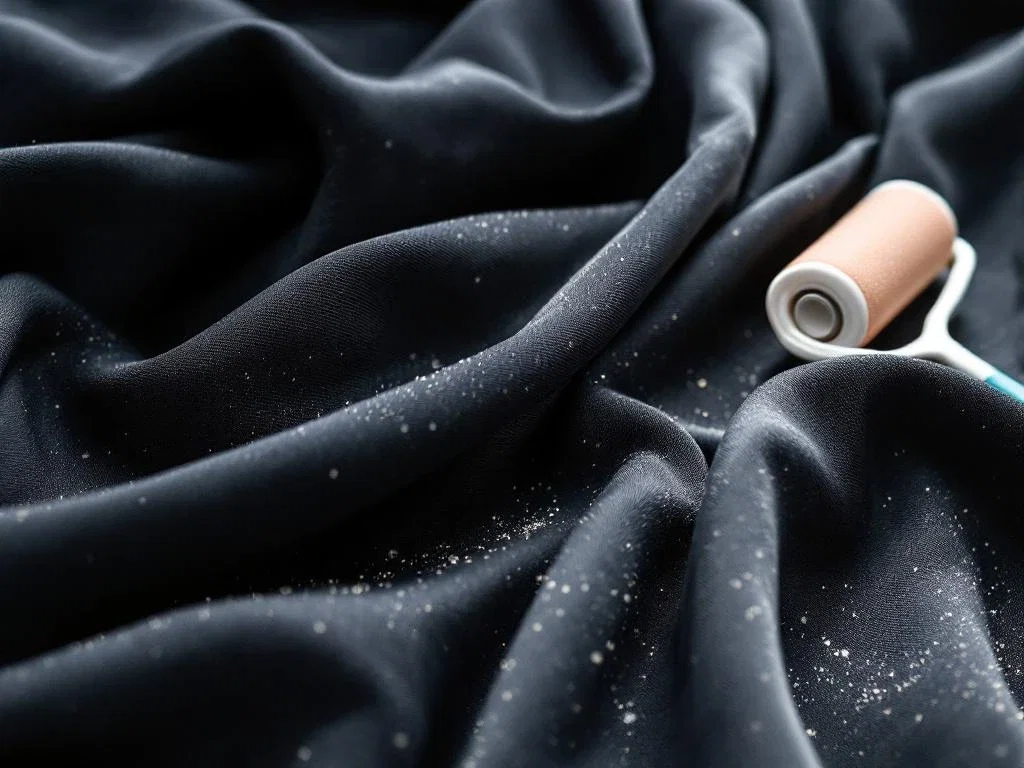
You can prevent pilling on stretch pants with the right combination of washing methods, drying techniques and daily care. The most important thing is to wash your pants inside out at 30 degrees, use a laundry bag and avoid the dryer. With the right approach, your stretch pants will look like new for longer.
What is pilling and why does it happen on stretch pants?
Pilling is those little balls or bits of fluff that form when loose fibers curl up and cling together due to friction. With stretch pants this happens faster because elastane and polyester fibers are more sensitive to friction than natural fibers. The spots where you see the most pilling are the thighs, the seat and the knees – exactly where the most movement and friction occur.
Stretch fabrics often contain a blend of polyamide (87%) and elastane (13%), as you see in many travel quality pants. These materials give your pants that wonderful stretch, but the smooth synthetic fibers tend to come loose more quickly with friction. Especially with new pants, the first few washes can cause a bit more pilling because the surface fibers haven’t fully ‘set’ yet.
The degree of pilling also depends on the quality of the yarn and the density of the weave. Cheaper stretch fabrics with more loosely woven fibers pill more quickly. The thickness of the fibers also plays a role – thinner fibers break more easily and form pills faster.
How do you recognize fabrics that are prone to pilling?
You can recognize fabrics prone to pilling by taking a close look at the fiber composition on the label. Blends with a lot of synthetic fibers such as polyester, acrylic and certain types of polyamide are more susceptible to pilling. Pure cotton or wool pills less, but stretch pants always contain elastane for stretch, which automatically makes them more sensitive.
Feel the fabric before you buy. A smooth, almost shiny texture often indicates synthetic fibers that pill faster. Fabrics that feel very soft because of a slightly ‘fuzzy’ surface are also suspect – those loose little fibers quickly form pills. Higher-quality stretch fabrics feel sturdier and more densely woven.
Also pay attention to price and brand. More expensive stretch pants often use better yarns and production techniques that reduce pilling. Travel quality pants, for example, are specially treated to wrinkle and pill less, perfect for anyone who’s often on the go. Investing in quality pays off in pants that look beautiful for longer.
Which washing method prevents pilling best?
The best washing method against pilling is to wash your stretch pants inside out at a maximum of 30 degrees on a delicate cycle. Always use a laundry bag or wash your pants together with soft garments. Choose a liquid detergent without bleach and don’t use fabric softener – it actually weakens the fibers.
Sort your laundry carefully. Never wash stretch pants together with rough fabrics like jeans or items with zippers and buttons. These cause extra friction during washing. Don’t overfill the washing machine – your clothes need to move freely without rubbing against each other.
When it comes to the spin cycle, less is more. Set your washing machine to a maximum of 800 rpm, preferably 600. The excess moisture will drip out on its own if you hang the pants properly. This gentle treatment prevents the elastane fibers from getting damaged and pilling. Also, don’t wash your stretch pants more often than necessary – airing them out is usually enough to freshen them up.
How do you dry stretch pants without causing pilling?
Never dry your stretch pants in the dryer – the heat and tumbling are disastrous for elastane fibers and are guaranteed to cause pilling. Instead, hang your pants up wet by the waistband, ideally on a pants hanger with clips. That way the pants keep their shape without stretching out.
The ideal drying spot is indoors, out of direct sunlight and away from heat sources such as radiators. UV rays and heat break down elastane fibers, making them weaker and more prone to pilling. A well-ventilated room ensures your pants are dry within a day.
Gently pull the pants into shape while they’re still damp. Smooth the fabric softly to remove creases – this saves you from ironing later, which would mean extra heat and pressure on the fibers. If you’re in a hurry, carefully roll the pants in a dry towel and press out the moisture without wringing.
What are the best daily tips against pilling?
Rotate your stretch pants so they get time to ‘rest’ between wears. Elastane fibers need time to spring back to their original shape. If you wear the same pants every day, the fibers don’t get a chance to recover and pilling develops faster in high-friction areas.
Pay attention to where you sit and how you move. Rough surfaces like concrete walls or wooden benches are disastrous for stretch fabrics. Choose your bag and belt with care – sharp buckles, rough leather bags or bags with studs rub against your pants. Wear smooth, seamless underwear in places where it rubs against your pants.


Store your pants by folding them neatly or hanging them – never stuff them into a drawer. Use soft hangers with a wide waistband clip. Avoid sharp folds in the same spot – vary where you fold them if you keep them in a drawer. Protect your more expensive stretch pants by storing them in a cotton garment bag, especially dark colors that quickly attract dust.
How do you safely remove existing pilling?
The best way to remove pilling is with a special pilling comb or an electric fabric shaver. Pull the fabric taut and move the device over it in one direction. Always work from top to bottom and treat small sections at a time. With stretch pants you need to be extra careful, because you don’t want to damage the elastane fibers.
For light pilling, a clean, dry razor also works (without shaving foam, of course). Use a disposable razor and hold it at a slight angle against the fabric. Shave with short, gentle strokes in the same direction. Test first on an inconspicuous spot, such as the inside of the hem.
Tape or a lint roller only helps with loose fluff, not with real pilling. Never try to pull pills off with your fingers – you’ll pull healthy fibers loose along with them, which only makes the problem worse. Treat pilled areas right after washing while the fabric is still slightly damp; the pills come off more easily then. After removing pilling, always wash your pants using the preventive method to avoid new pilling.
How &Co Woman helps prevent pilling
&Co Woman offers an extensive collection of high-quality stretch pants specially developed to minimize pilling. Our solution to this common problem consists of several elements:
• Premium fabric quality: We only select densely woven fabrics and high-quality yarns that are less prone to pilling
• Special treatments: Our travel quality pants undergo anti-pilling treatments during the production process
• Perfect fit: The right fit minimizes friction in critical areas
• Care advice: Every pair of pants comes with detailed instructions for optimal care
• Quality guarantee: We stand behind the durability of our products with extensive service
Discover our collection of pill-free stretch pants and experience the difference of quality that lasts. Visit our shop and invest in clothing that stays looking like new for years. At &Co Woman you’ll find not only the best stretch pants, but also the right advice to care for them perfectly.
Frequently Asked Questions
Can I use anti-pilling spray on my stretch pants?
Yes, anti-pilling sprays can help by forming a protective layer on the fibers. Lightly spray the pants after washing and let them dry completely before wearing. Test first on an inconspicuous spot and use the spray no more than once a month to prevent product buildup.
How often should I treat my stretch pants with a fabric shaver?
Only treat your pants when you actually see pilling, usually once every 10-15 wears. Removing pills too often weakens the fabric because you remove fibers each time. Focus on problem areas such as the thighs and seat, and always use the device on the lowest setting for stretch fabrics.
What do I do if my new stretch pants pill after just one wash?
This can happen with new pants as loose surface fibers come off. Wash the pants another 2-3 times using the right method (inside out, 30 degrees, laundry bag). If the pilling doesn’t decrease after that, the fabric quality is probably subpar and it’s best to contact the store for a solution.
Are there special detergents that prevent pilling?
Choose enzyme-free detergents made especially for delicate fabrics or sportswear. These contain no enzymes that break down fibers. Woolite or Perwoll for delicates are good options. Avoid detergents with optical brighteners or bleach, as these make synthetic fibers more brittle.
Can I steam my stretch pants instead of ironing them?
Absolutely! Steaming is actually better than ironing for stretch pants. Hang the pants up and steam from a distance of 10-15 cm without touching the fabric. The steam removes wrinkles without direct heat or pressure on the fibers, which prevents pilling. A garment steamer or the steam function of your iron works perfectly.
Help! My black stretch pants look blotchy after removing pilling. What now?
This happens when you’ve pressed too hard or used a dull blade. Wash the pants inside out with a color-restoring detergent for black textiles. Gently treat the blotchy areas with a soft clothes brush in one direction to smooth the fibers back down. Prevent this in the future by cleaning your fabric shaver more often and replacing the blades.