
How can you tell if a pair of stretch pants is good quality?
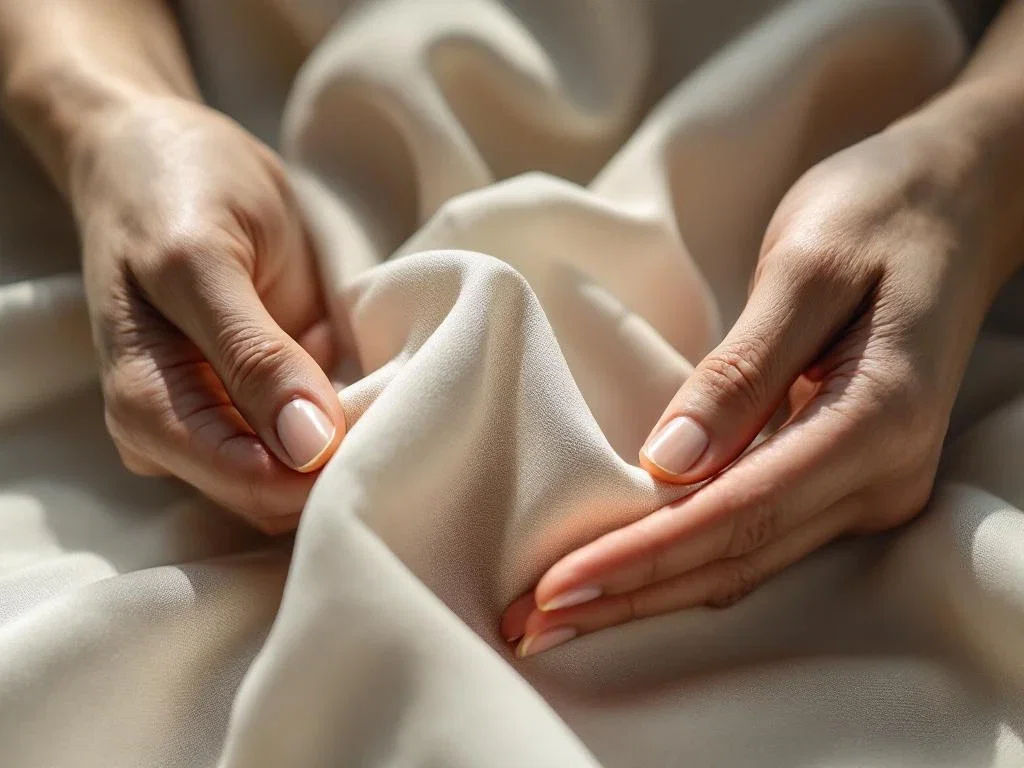
You can recognize good-quality stretch pants by five key features: a fabric composition with the right elastane percentage (usually between 2-5% for pants), sturdy seams that don’t stretch out when you move, fabric that bounces back after stretching, shape retention after many washes, and a pleasant feel without a chemical smell. The best stretch pants combine comfort with durability and keep their fit for a long time.
What actually makes stretch pants good quality?
The quality of stretch pants is determined by the fabric composition, where the ratio between the main material and elastane is crucial. High-quality stretch pants usually contain 87-95% main material (such as polyamide, polyester, or cotton) with 5-13% elastane for optimal flexibility. The seams should be sturdy, with double stitching at stress points, and the finish should be neat, without loose threads.
With good-quality stretch pants, you’ll notice the fabric has a certain thickness that doesn’t become see-through during normal movement. The material feels substantial yet supple, never too thin or cheap. The elasticity is evenly distributed throughout the pants, not just in certain directions.
Another important feature is the durability of the material. Good stretch pants keep their shape and elasticity even after dozens of washes. You’ll notice this in pants that still fit beautifully after a full day of wear, without bagging at the knees or seat. The color also stays lovely for longer without fading.
How do you test the elasticity of stretch pants in the store?
The stretch test is the easiest way to check elasticity: gently pull the fabric in different directions. Good stretch extends evenly without resistance and feels neither too tight nor too loose. For the recovery test, stretch the fabric and let go – the material should spring right back to its original shape without wrinkles or sagging.
While stretching, check whether the fabric becomes see-through. Pull the fabric about 10-15 centimeters apart and see if you can look through it. With quality pants, the fabric stays opaque, even at maximum stretch. This is especially important with lighter colors.
Also feel the thickness and structure of the material. Pinch the fabric between your thumb and index finger – you should feel a solid substance, not a thin layer. The texture should feel even across the entire garment. Pay extra attention to the seams: they shouldn’t stretch or come loose when you pull on them.
What percentage of elastane is ideal for different types of pants?
For jeans, 1-3% elastane is ideal, giving just enough stretch for comfort without losing that sturdy denim look. Trousers and dress pants perform best with 3-5% elastane for freedom of movement during office work. Leggings and athletic pants need 5-15% elastane for maximum flexibility while moving.
Travel pants, like many styles in modern shop collections, often contain around 12-13% elastane. This higher percentage provides ultimate comfort during long days and travel, while the pants still hold their shape. The material recovers quickly after sitting or moving.
The percentage directly affects fit and lifespan. Too little elastane makes pants stiff and uncomfortable; too much can lead to loss of shape. The right balance depends on use: everyday pants need less elastane than active or travel wear. Comfort pants are often around 12% for optimal freedom of movement without sacrificing durability.


How do you recognize poor-quality stretch in pants?
Thin fabric that quickly turns see-through is the first warning sign of lower quality. If you already see sheer spots when simply bending or squatting, the fabric is too thin. Seams that stretch or come loose under light pressure point to poor construction. Pilling (small bobbles) after brief wear indicates cheap fibers that wear out quickly.
Loss of shape after washing is a common problem with poor stretch. The pants get looser, especially at the knees and seat, and never regain their original shape. A chemical smell that lingers after several washes indicates low-quality treatments or dyes.
Also watch for uneven stretch – if the pants only stretch horizontally but not vertically, or vice versa, the fabric construction is out of balance. Shiny spots at stress points such as the knees or seat appear quickly with inferior quality. The elastane fibers break down and the fabric loses its matte look.
How do you keep good stretch pants looking beautiful for longer?
Wash stretch pants at a maximum of 30 degrees on a delicate cycle to protect the elastane fibers. Higher temperatures break down the elastic fibers, causing the pants to lose their shape. Use a mild detergent without bleach and wash the pants inside out to preserve the color. Avoid fabric softener, as it can impair the stretch properties.
The dryer is the biggest enemy of stretch pants – the heat permanently damages the elastane fibers. Instead, hang the pants by the waistband or lay them flat to dry out of direct sunlight. This also prevents unnecessary stretching from the weight of wet fabric.
To best preserve elasticity, rotate your pants and don’t wear them for days in a row. The fibers need time to recover. Store them hanging or neatly folded, without cramming them. Replace the pants when you notice they no longer return to shape after washing, have permanently stretched areas, or when the fabric becomes thin at stress points. With good care, quality stretch pants will last for years.
How &Co Woman helps you find the perfect stretch pants
&Co Woman understands that finding quality stretch pants that stay beautiful for years can be a challenge. That’s why we only offer stretch pants that meet the highest quality standards:
• Carefully selected materials with the optimal elastane percentage for comfort and durability
• Reinforced seams and high-quality finishing that stand up to everyday wear
• Fabrics that keep their shape and color, even after many washes
• Personal advice on fit and care to maximize their lifespan
Invest in quality that gives you years of wearing pleasure. Discover our collection of stretch pants and experience the difference that craftsmanship and durability make.
Frequently Asked Questions
How often can I wash my stretch pants without them losing elasticity?
Good-quality stretch pants can easily handle 50-100 washes without noticeable loss of elasticity, provided you follow the right care instructions (30 degrees, no dryer). Only wash the pants when needed – after 3-4 wears is usually enough, unless they have stains. Always use a short wash cycle and turn the pants inside out for the best result.
Can I restore the elasticity of my stretch pants myself if it has decreased?
Unfortunately, it isn’t possible to fully restore lost elasticity, because the elastane fibers are permanently damaged. You can achieve a temporary improvement by dampening the pants and pulling them into shape while they dry, or by using a steam iron. For a lasting solution, it’s better to invest in a new pair of quality stretch pants.
What is the difference between 2-way and 4-way stretch, and which is better?
2-way stretch only stretches horizontally (from left to right), while 4-way stretch stretches both horizontally and vertically. For pants, 2-way stretch is usually sufficient and even desirable – it offers comfort without the pants stretching too much in length. 4-way stretch is especially useful for sportswear where maximum freedom of movement is needed, but in everyday pants it can lead to faster loss of shape.
How do I prevent shiny spots on my stretch pants?
Shiny spots are caused by friction and pressure at specific points such as the knees and seat. Prevent this by rotating your pants, not ironing too hot (always use a cloth between the iron and the fabric), and choosing pants with a higher percentage of natural fibers. If shiny spots have already appeared, treat them gently with a steam iron on a low setting or a special textile brush.
Are more expensive stretch pants always better than a cheaper option?
Not automatically, but often they are. More expensive pants usually use higher-quality elastane (such as Lycra® or Spandex®) that lasts longer, better fabrics with a higher density, and a better finish with reinforced seams. However, always look at the fabric composition and construction rather than just the price – sometimes you’re mainly paying for the brand. Pants in the €80-150 range usually offer the best value for money.
When is it time to replace my stretch pants?
Replace your stretch pants when: the fabric is permanently stretched (especially at the knees and seat), the pants no longer return to shape after washing, thin spots appear that you can almost see through, the seams start coming loose, or when the elasticity has decreased so much that the pants feel uncomfortable. With normal use and good care, this is usually after 2-3 years of intensive wear.