
Is travel fabric eco-friendly?
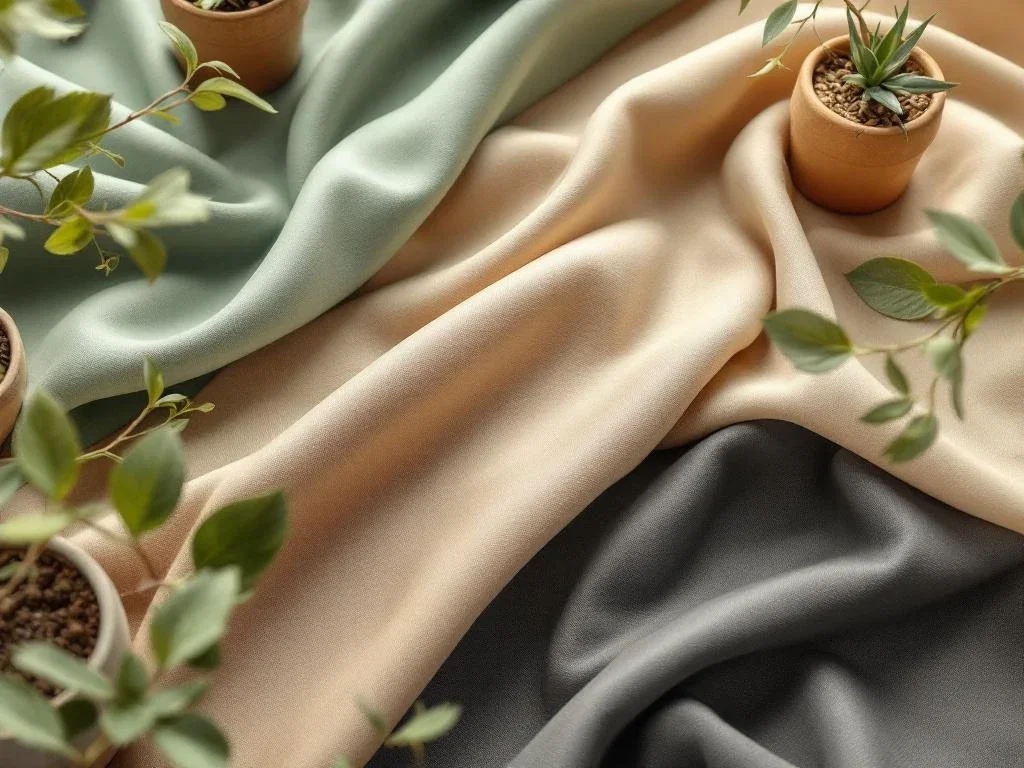
Travel fabric is partly eco-friendly and partly a burden on the environment. It has positive qualities such as a long lifespan, less washing water and energy needed for care, and it doesn’t need ironing. At the same time, it’s made from petroleum, isn’t biodegradable and contributes to microplastic pollution. Its environmental impact depends largely on how you use and care for the garment, and how long you wear it.
What exactly is travel fabric and why is it so popular?
Travel fabric is a synthetic fabric that usually consists of polyester or a blend of polyester with other fibers such as elastane. This fabric owes its name to the practical qualities that make it ideal for traveling: it doesn’t wrinkle, dries quickly and keeps its shape.
The popularity of travel fabric comes from several practical advantages. You don’t need to iron it after washing, it air-dries within a few hours, and it stays beautiful for years without fading or losing its shape. For many people, this means saving time and enjoying more convenience in everyday life.
In the fashion industry, travel fabric is widely used for pants, blazers, dresses and blouses. Although it’s synthetic, the fabric breathes well, doesn’t get static and doesn’t pill. That makes it comfortable to wear all day long, whether you’re heading to the office or enjoying a day out.
How is travel fabric made and what is its impact on the environment?
The production process of travel fabric starts with petroleum as the raw material. Through a chemical process, the petroleum derivatives are converted into polymers, which are then melted and spun into fibers. This entire process requires a lot of energy and water, and also releases CO2.
The environmental burden during production is considerably higher than for natural fibers such as cotton or linen. One kilo of polyester requires about 125 megajoules of energy, while cotton requires around 55 megajoules. CO2 emissions are higher too: about 9.5 kilos of CO2 per kilo of polyester, compared to 5.9 kilos for cotton.
On the other hand, travel fabric can be less of a burden during the use phase. It needs less water for washing, can be washed at lower temperatures, and doesn’t need to go in the dryer or be ironed. This saves energy throughout the entire lifespan of the garment.
What are the environmental pros and cons of travel fabric?
The environmental advantages of travel fabric lie mainly in its long lifespan and energy-efficient care. A well-cared-for travel fabric garment easily lasts ten years or more without losing quality. You save water because you need to wash it less often, and energy because ironing and drying aren’t necessary.
The disadvantages, however, weigh heavily. Every wash releases microplastics that end up in the environment through wastewater. These tiny particles are eaten by fish and other animals and so enter the food chain. In addition, travel fabric isn’t biodegradable – it can take hundreds of years to break down completely.
Another important drawback is the dependence on fossil fuels. As long as we use petroleum to produce synthetic fabrics, we continue to contribute to the depletion of these resources and the environmental problems that come with it.
Can travel fabric be recycled and how does that work?
Yes, travel fabric can be recycled, but the process is complex. There are two main methods: mechanical and chemical recycling. In mechanical recycling, the fabrics are shredded and melted into new fibers. However, this can reduce the quality of the fibers.
Chemical recycling breaks the polymers down into their original building blocks, after which they can be rebuilt into high-quality fibers. This method preserves quality better but requires more energy and is more expensive.
As a consumer, you can help by:
- Choosing 100% polyester clothing instead of blends (these are easier to recycle)
- Dropping off your old clothes at textile collection bins or stores with take-back programs
- Choosing brands that use recycled materials
- Wearing your clothes as long as possible before parting with them
What sustainable alternatives to travel fabric are there?
There are several more eco-friendly alternatives with qualities similar to travel fabric. Recycled polyester uses existing plastic waste as its raw material, reducing the need for new petroleum. It offers the same practical qualities but with a lower environmental impact.
Tencel (Lyocell) is made from wood from sustainably managed forests. It’s biodegradable, feels soft and has good moisture-regulating properties. It does wrinkle a little more than travel fabric, but it’s much better for the environment.
Other alternatives include:
- Organic cotton with stretch for comfort and shape retention
- Hemp blended with other fibers for durability
- Innovative materials such as fibers made from algae or fungi
- Wool with modern treatments for wrinkle recovery
How can you make more conscious choices as a consumer?
Start by reading labels and choose quality over quantity. A more expensive garment that lasts for years is better for the environment than five cheap items that wear out quickly. Look for certifications such as GOTS, Cradle to Cradle or Bluesign, which guarantee more sustainable production.
Take good care of your clothes to extend their lifespan. Wash at low temperatures, use a laundry bag to catch microplastics, and let your clothes air-dry. Repair small damage right away so it doesn’t get worse.
At &Co Woman, we make conscious choices in our materials and production. Our TRVL collection combines the practical benefits of travel fabric with responsible production in Europe and Turkey. We produce based on sales orders to prevent overproduction and work with our manufacturers to reduce waste, water and energy use. That way, you can enjoy comfortable, wrinkle-free clothing while feeling better about its impact on the environment. Discover our sustainable collection for responsible choices, or read more about our mission for a better fashion industry.