
Is travel fabric heavy or light?
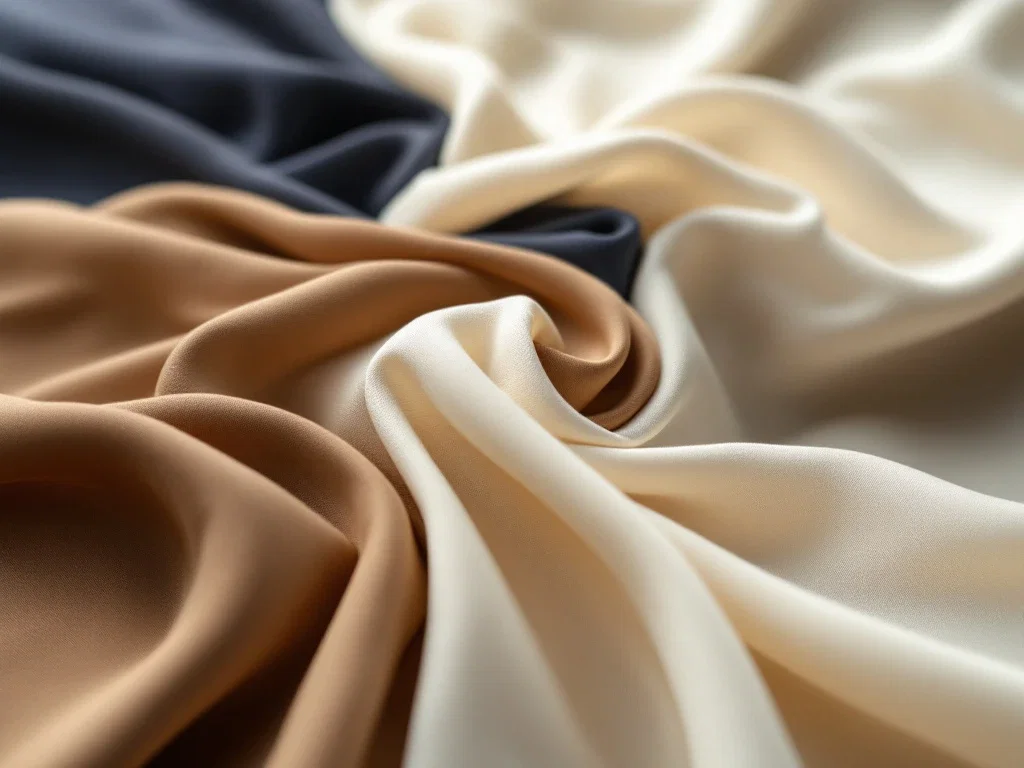
Travel fabric is a lightweight, synthetic fabric known for its wrinkle recovery and easy care. Weighing about 30-40% less than comparable cotton fabrics, travel fabric feels surprisingly airy without compromising on quality. This unique combination of lightness and durability makes it a popular choice for clothing that needs to be both comfortable and practical.
What exactly is travel fabric and why is it so popular?
Travel fabric is a synthetic fabric made from polyester or polyamide fibers with special properties that make it ideal for everyday wear. It dries quickly, is wrinkle-free and never needs ironing, saving you time and energy. The material breathes well, doesn’t turn static and doesn’t pill, despite its synthetic composition.
The popularity of travel fabric comes from practical benefits that fit perfectly with a busy life. You can wear it straight out of the washing machine without ironing, and the fabric keeps its shape even after sitting for hours. Its wrinkle recovery means you always look polished, whether you’re stepping off a long flight or have spent a whole day at the office.
Travel fabric is also exceptionally hard-wearing, so clothing made from it lasts for years without losing its shape or color. The fabric feels soft against the skin and offers freedom of movement thanks to its natural stretch. This combination of comfort, convenience and durability explains why more and more people are choosing travel fabric for their wardrobe.
How heavy does travel fabric feel compared to other fabrics?
Travel fabric feels considerably lighter than traditional fabrics such as cotton, linen or wool. A pair of travel fabric pants weighs 200-300 grams on average, while comparable cotton pants weigh 400-500 grams. You’ll notice this difference in weight especially when wearing it all day: travel fabric feels like a second skin.
Compared to other fabrics, travel fabric strikes a unique balance between lightness and substance. Where linen feels heavier and wrinkles more easily, travel fabric offers the same breathable qualities without the extra weight. Wool can be up to three times heavier than travel fabric, especially when it gets wet. The low density of travel fabric means it dries quickly and doesn’t hold moisture the way natural fibers do.
Wearing comfort varies by season, but travel fabric performs consistently well. In summer it feels cool and airy thanks to its breathable structure, while in winter it’s perfect as a layer under warmer clothing without adding bulk. The fabric drapes smoothly against the skin and never feels heavy or constricting, not even in the thicker travel fabric varieties.
Why is the light weight of travel fabric so practical for everyday wear?
The light weight of travel fabric offers unrivaled comfort during long workdays, because you barely feel you’re wearing it. You move more freely and naturally, without the heavy, dragging feeling of traditional fabrics. This reduces fatigue and keeps you energized, even after hours of sitting or standing.
For travel, lightweight travel fabric is ideal because you can pack more pieces without exceeding your baggage allowance. A complete travel fabric outfit weighs about as much as a single pair of jeans. The fabric dries within a few hours after washing, so you can travel with fewer clothes. Wash items in the evening and wear them again the next morning.
The breathable properties of lightweight travel fabric regulate your temperature without adding weight. The material wicks moisture away from your skin and lets air circulate, which reduces sweating. That makes it perfect for busy days when you go from indoors to outdoors, from meetings to the gym, or from work to social plans without having to change.
What types of travel fabric are there and do they differ in weight?
Jersey travel is the lightest variety, weighing about 180-220 grams per square meter, perfect for tops and dresses. Ponte travel weighs 250-300 grams per square meter and offers more structure for pants and blazers. Technical travel can range from 200-350 grams, depending on specific features such as water repellency or UV protection.
The construction largely determines the weight and use of travel fabric. Jersey travel has a knitted structure that offers maximum stretch and lightness, ideal for casual wear. Ponte travel uses a double-knit technique that adds body without adding much weight, making it suitable for more structured garments. Technical travel varieties may have special coatings that add minimal weight but offer functional benefits.
We recommend specific types of travel fabric for different garments. Lightweight jersey travel works beautifully for T-shirts, tunics and summer dresses. Medium-weight ponte travel is ideal for pants, skirts and blazers that need to hold their shape. Heavier technical travel is perfect for jackets and outdoor wear where extra protection is needed, without losing the comfort of lightness.
How can you recognize good-quality travel fabric by its weight?
Good-quality travel fabric feels light but never thin or cheap: it has substance without being heavy. A quality pair of travel fabric pants weighs between 250-300 grams, and the material feels even throughout, without thin spots. Travel fabric that is too light (under 180 grams) can be see-through and wear out faster.
You can recognize the balance between lightness and durability by the fabric’s resilience. Gently pull the material: good travel fabric springs right back to its original shape without stretching out. The weight should feel consistent across the entire garment. Quality travel fabric has a smooth, even texture without irregularities or pilling, even in lightweight varieties.
When shopping, consider the weight in relation to the type of garment. A lightweight travel fabric blouse can weigh 150-200 grams, but pants need at least 250 grams for good coverage and durability. Feel the fabric: it should be supple but not limp. Check the seams and finishing; on quality garments these are neatly done without loose threads, regardless of how light the material is.
What are the best care tips for lightweight travel fabric?
Wash lightweight travel fabric at 30 degrees on a short cycle: the light material gets clean quickly and air-dries within 2-3 hours. Don’t use fabric softener, as it can affect the breathable properties. Turn garments inside out to protect the color and wash similar colors together.
The light weight of travel fabric makes special care unnecessary. Hang wet travel fabric straight onto a hanger: thanks to its low weight, gravity pulls out any wrinkles. Avoid the dryer; the heat is unnecessary because the fabric dries so quickly, and it can damage the elastic fibers. Store travel fabric hanging rather than folded to keep its shape at its best.
To extend their lifespan, rotate your travel fabric pieces regularly so they can “rest” between wears. The lightweight material then fully recovers. Treat stains right away with cold water: the smooth surface of travel fabric releases stains easily. When packing for a trip, roll your travel fabric clothing instead of folding it. The light weight takes up little space, and any creases from rolling disappear as soon as you hang it up.
The unique properties of travel fabric make it a smart choice for anyone looking for comfort and convenience without compromising on style. The light weight keeps you comfortable all day, while practical benefits like wrinkle recovery and quick drying make your life easier. Whether you’re traveling, working or enjoying your free time, travel fabric adapts to your life. At &Co Woman you’ll find an extensive collection of travel fabric pieces in our shop that combine these benefits with timeless Dutch style and quality. Discover why more and more women choose &Co Woman as their favorite destination for high-quality travel fabric clothing.