11 fabrics that make any capsule wardrobe more sustainable
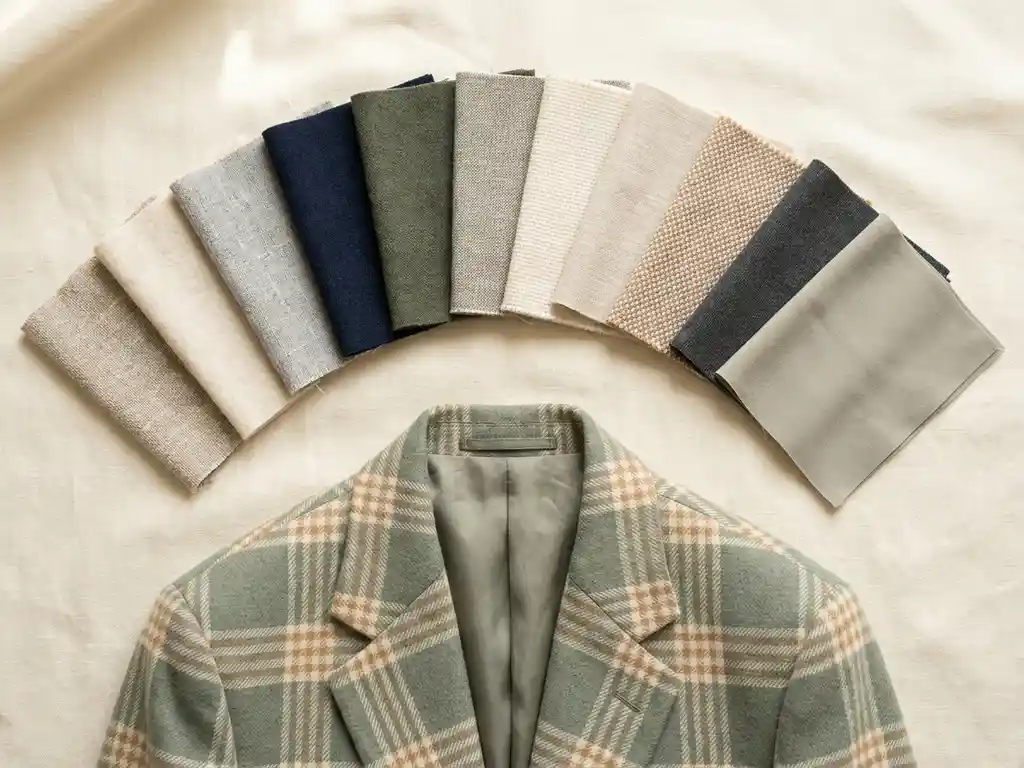
A capsule wardrobe only works if the pieces in it are truly good. Not just in style, but in material too. The fabric determines how long something lasts, how comfortable it feels and whether it still looks great after ten washes. Want to shop more mindfully and buy less but better? Then it’s smart to know which fabrics deliver on that. Below you’ll find eleven fabrics that make your wardrobe more sustainable, more versatile and more timeless.
What makes a fabric suitable for a capsule wardrobe?
Not every fabric works as the foundation of a timeless wardrobe. A good fabric feels pleasant, lasts a long time and is easy to combine. Quality clothing for women starts with materials that keep their shape, need little care and still look good after several seasons. Sustainable fabrics are a smart choice here: they’re better for the environment and for your wallet in the long run.
1: Organic cotton for everyday comfort
Organic cotton is one of the most accessible sustainable fabrics for everyday wear. It’s grown without synthetic pesticides or fertilizers, which puts less strain on the environment than conventional cotton. The result is a soft, breathable material that feels lovely against the skin.
Organic cotton is strong, washable at low temperatures and keeps its shape well. It’s ideal for basics like T-shirts, blouses and lightweight pants that you wear and wash often.
If you want to look comfortable and polished every day without giving it much thought, organic cotton is a reliable choice as the foundation of your capsule wardrobe.
2: Linen as an airy summer basic
Linen is the fabric for warm days. Made from flax fibers, it breathes beautifully and feels fresh, even in high temperatures. Linen is also produced with relatively little water and chemicals, making it a responsible choice.
Its lightweight character makes linen perfect for summer dresses, wide-leg pants and blouses. It wrinkles easily, but that’s part of the fabric’s charm and gives it a relaxed, natural look.
Linen is best for anyone who wants to stay cool in summer without compromising on style. Linen pants pair easily with a simple top and are both casual and polished enough for drinks on a terrace or a family dinner.
3: Merino wool for year-round wear
Merino wool is one of the most versatile fabrics you can add to your wardrobe. The fine fibers of the merino sheep are much softer than regular wool and don’t itch. Merino wool also regulates body temperature: it keeps you warm in winter and cool in spring and fall.
Merino wool is naturally odor-resistant and needs washing less often than other fabrics, which significantly extends its lifespan. It’s also sustainable in the broader sense: it’s biodegradable and renewable.
If you want to get through the year with a limited number of pieces, merino wool is a smart investment. A fine merino sweater or cardigan can be worn from September to April without ever feeling like a compromise.
4: Recycled polyester as a sustainable choice
Recycled polyester is made from existing plastic, such as PET bottles or old garments. The production process uses considerably less energy than making new polyester and reduces the amount of plastic waste.
In terms of wear, recycled polyester is light, strong and quick-drying. It keeps its shape well and is easy to care for. It’s less breathable than natural fibers, but that makes it perfect for functional pieces like jackets, sporty blazers or quilted vests.
Recycled polyester is a great choice if you want to combine sustainable fashion with practicality. When buying, check whether the product carries a certification such as GRS (Global Recycled Standard), so you know the claim holds up.
5: Tencel for a silky-soft touch
Tencel, also known as lyocell, is a fabric made from wood pulp, often sourced from sustainably managed forests. The production process is closed-loop: the solvents are reused, so hardly any chemical waste is released. That makes Tencel one of the more eco-friendly options on the market.
Tencel feels silky soft, drapes beautifully and breathes well. It’s hypoallergenic and suitable for sensitive skin. Plus, the material is strong enough for everyday wear and keeps its sheen after many washes.
Tencel is ideal for blouses, dresses and pants that look polished without feeling stiff or uncomfortable. It’s one of those fabrics that naturally combines comfort and elegance.
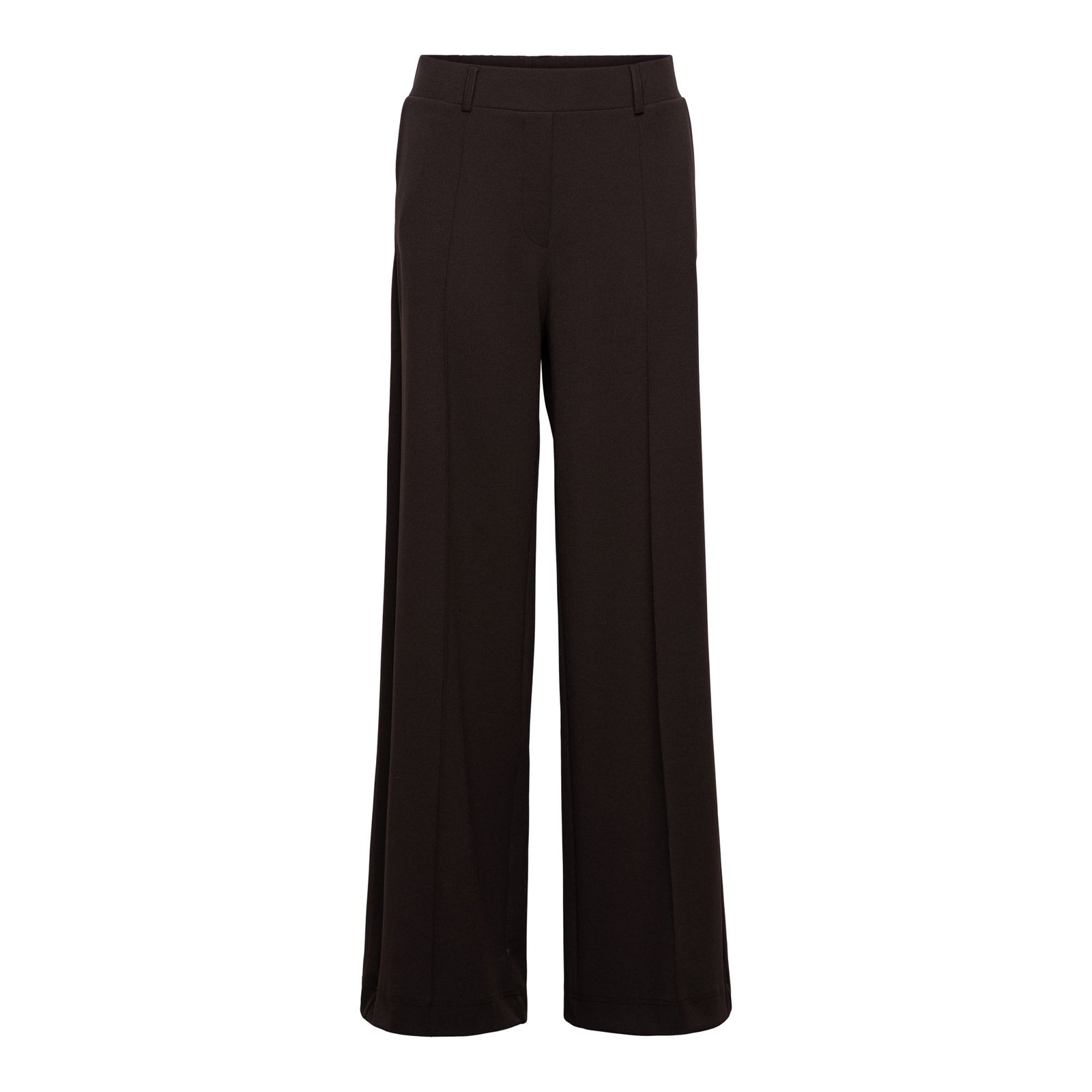
6: Viscose and how to recognize quality
Viscose is a semi-synthetic fabric based on cellulose, usually from wood or bamboo. It’s light, soft and drapes nicely, which makes it popular for blouses and dresses. Still, not all viscose is equally sustainable: the production process can be chemically intensive if it isn’t carried out carefully.
Ideally, choose viscose with a certification such as ECOVERO, which follows stricter environmental standards. You can recognize good-quality viscose by its fluid drape, even texture and soft feel that doesn’t pill or lose its shape quickly.
Viscose is an affordable option if you want to invest in clothing fabrics that look good and feel pleasant. With the right choice and proper care, like washing at a low temperature, it lasts a long time.
7: Cashmere for timeless luxury
Cashmere is one of the finest natural fibers there is. It comes from the undercoat of cashmere goats and is known for its exceptional softness and warmth. A cashmere sweater is light, warm and instantly feels luxurious.
Cashmere is sustainable in the sense that it’s biodegradable and lasts a long time if you take good care of it. Wash it by hand or on a wool cycle, store it folded and let it air out after wearing. That way, a good cashmere piece will last for years.
If you want to invest mindfully in timeless quality clothing for women, cashmere is a wise choice. It costs more than other fabrics, but the cost per wear is quite reasonable when you wear it often and for years.
8: Silk as a lasting investment
Silk is a natural fiber produced by silkworms and has been known for centuries as one of the most elegant fabrics in the world. It’s light, strong, temperature-regulating and has a signature sheen that’s hard to match.
Sustainable silk does exist: look for producers who work with fair labor conditions and certified production processes. Silk is biodegradable and, when produced responsibly, has a relatively low environmental impact compared to many synthetic alternatives.
A silk blouse or scarf is an investment that pays off in style and longevity. It’s the fabric for when you want something extra special now and then in an otherwise understated wardrobe.
9: Bamboo as an emerging sustainable fabric
Bamboo grows quickly, needs little water and requires no pesticides. That makes bamboo an interesting raw material from a sustainability perspective. Bamboo clothing is soft, light and naturally antibacterial.
Keep in mind: the sustainability of bamboo fabric depends heavily on the production process. Bamboo viscose, the most common form, requires chemical processing. Bamboo lyocell is a cleaner alternative. Check the label and any certifications before you buy.
Bamboo is a great option if you’re looking for soft, breathable pieces for everyday wear. It’s especially pleasant as a base layer or in lighter summer clothing, and it’s quickly growing in popularity within sustainable fashion.
10: Wool tweed for sturdy basics
Tweed is a sturdy, woven wool fabric that originated in Scotland and Ireland. It’s known for its durability: a good tweed jacket or skirt can last for decades if you treat it with care.
The texture of tweed instantly gives an outfit character and presence. The material is warm, holds its shape well and stands up to everyday wear. Tweed needs little washing: airing it out is often enough.
Tweed is perfect for sturdy outer pieces like blazers and skirts that you can layer over softer pieces in fall and winter. It’s a fabric that grows with your style and never goes out of fashion.
11: Recycled nylon for functional pieces
Recycled nylon, such as the well-known ECONYL, is made from discarded fishing nets, carpet scraps and other nylon waste. The production process reuses material that would otherwise end up in the ocean or in landfill, making it a meaningful choice within sustainable fashion.
Recycled nylon is strong, lightweight and water-repellent. It’s wear-resistant and ideal for functional pieces like rain jackets, sporty vests or bags you use every day.
If you combine an active lifestyle with mindful clothing choices, recycled nylon offers a practical solution. It’s the fabric for pieces that need to keep up with a busy day, from your bike to an appointment and back again.
Mindfully choosing fabrics that truly last
A timeless wardrobe isn’t about buying a lot, but about buying smart. The fabrics you choose largely determine how long you’ll enjoy your clothes and how much impact your purchases have on the environment. Organic cotton, linen, merino wool and Tencel are reliable choices for everyday wear. Cashmere, silk and tweed are the investment pieces that last for generations. And recycled polyester and nylon show that sustainable fabrics can also perform beautifully in functional clothing.
Ideally, choose pieces that are easy to combine, comfortable to wear and keep their quality after several seasons. That’s the heart of a capsule wardrobe that truly works.
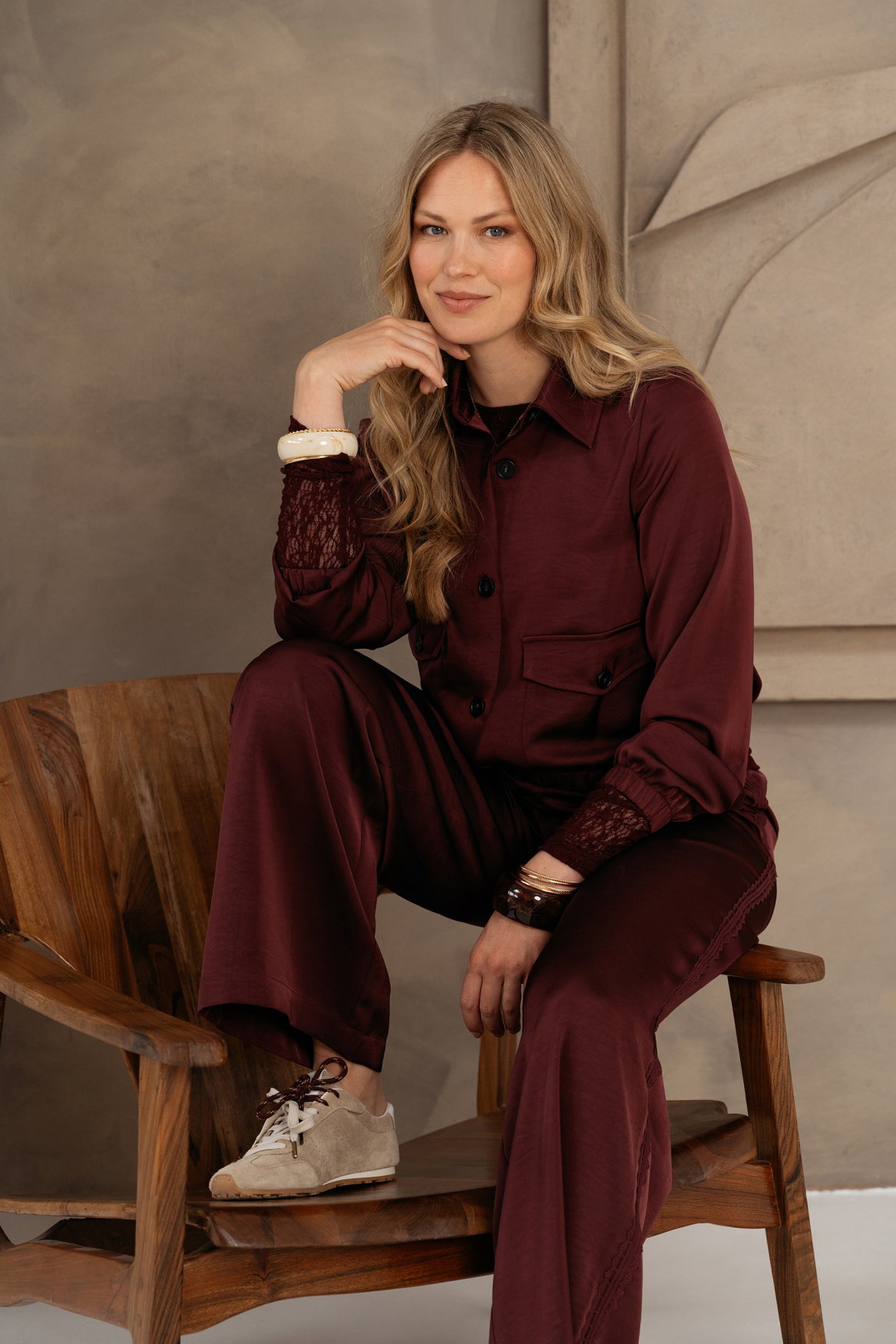
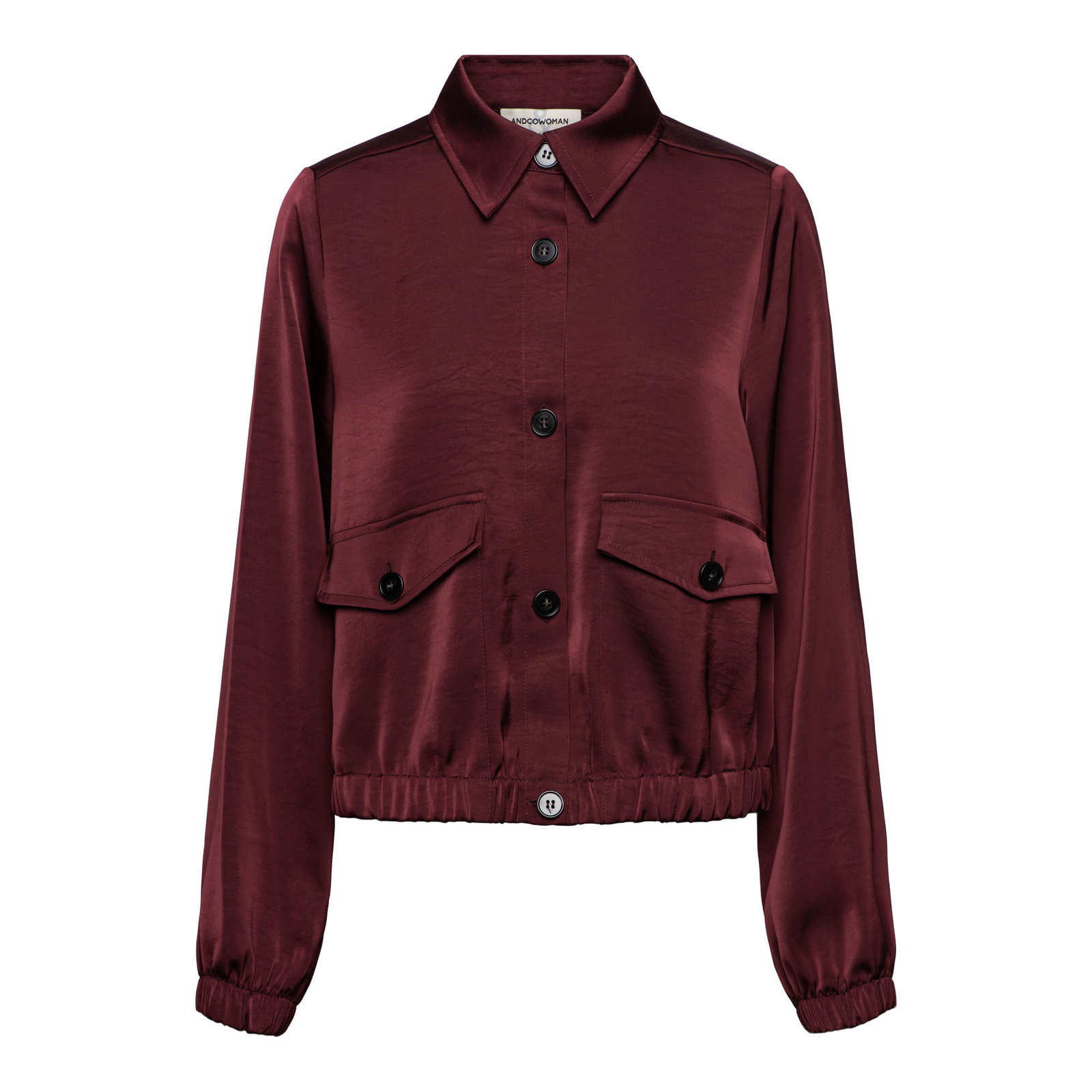
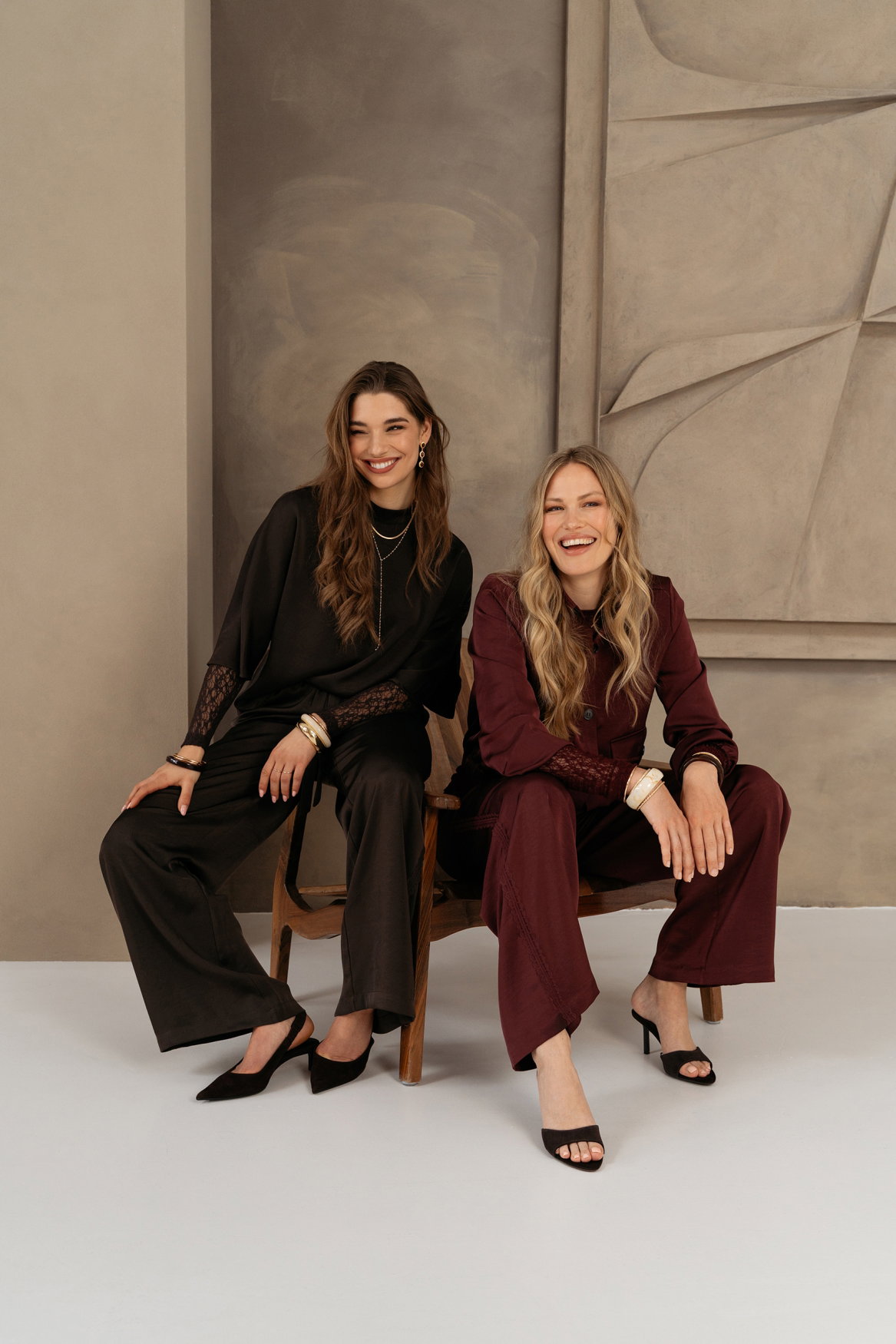
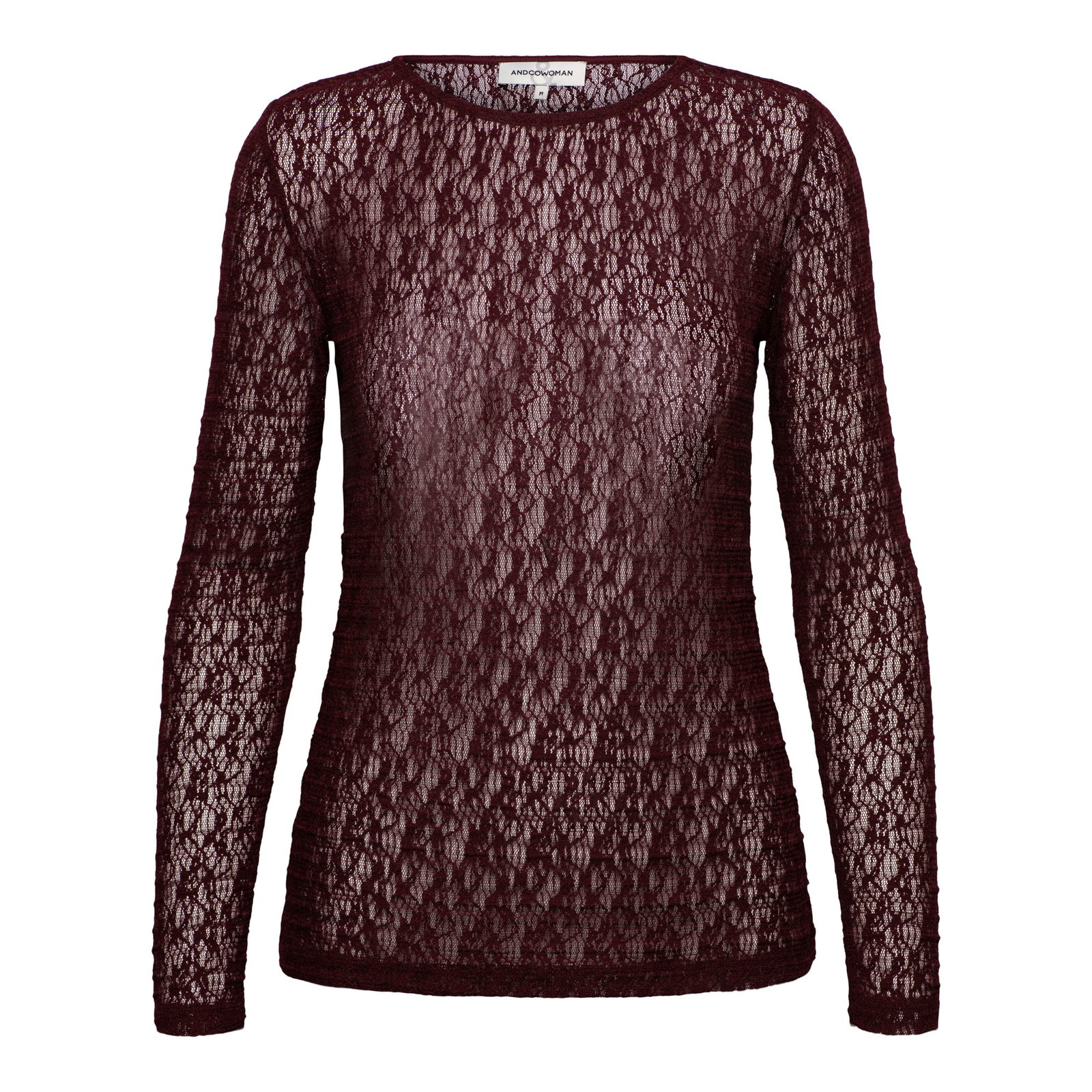
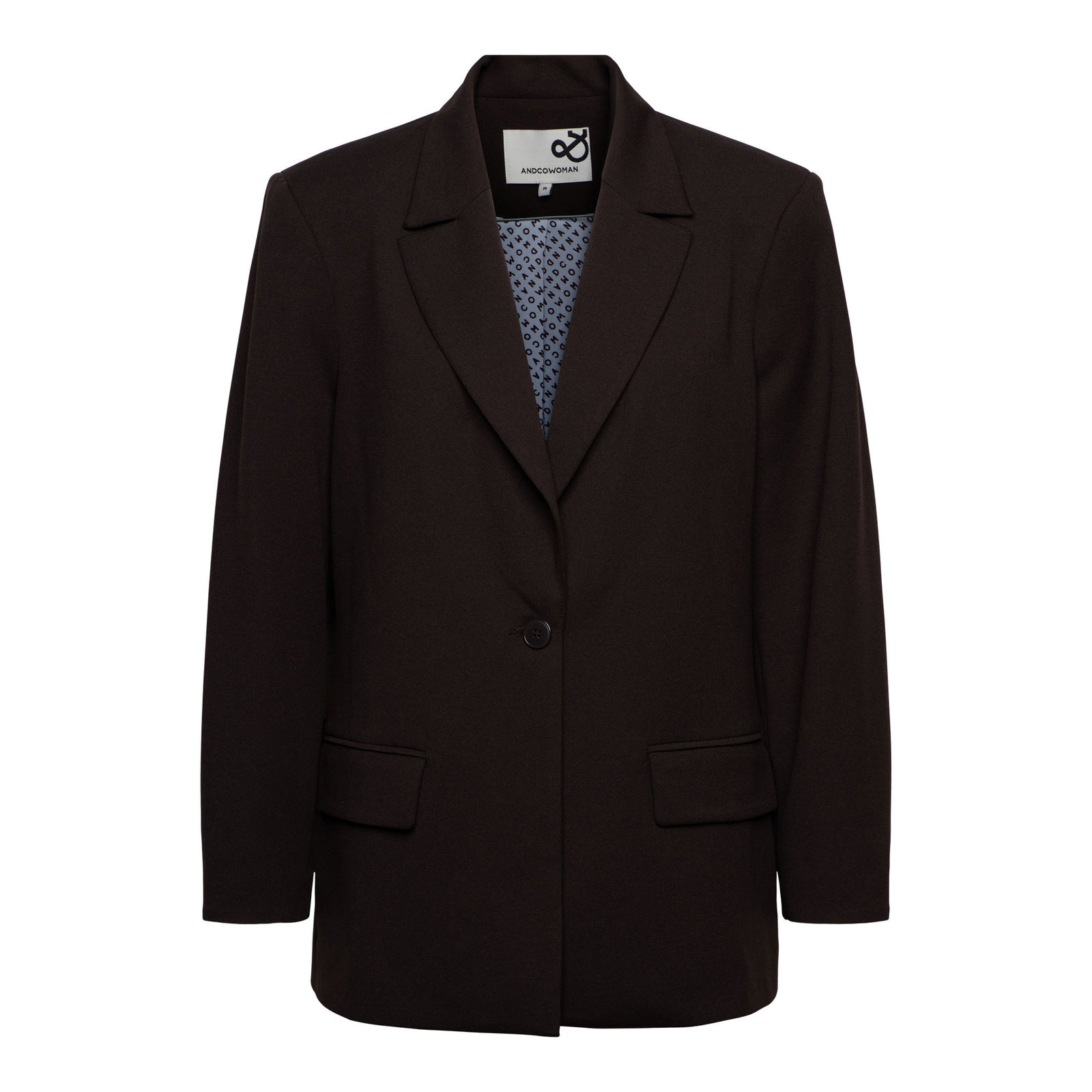
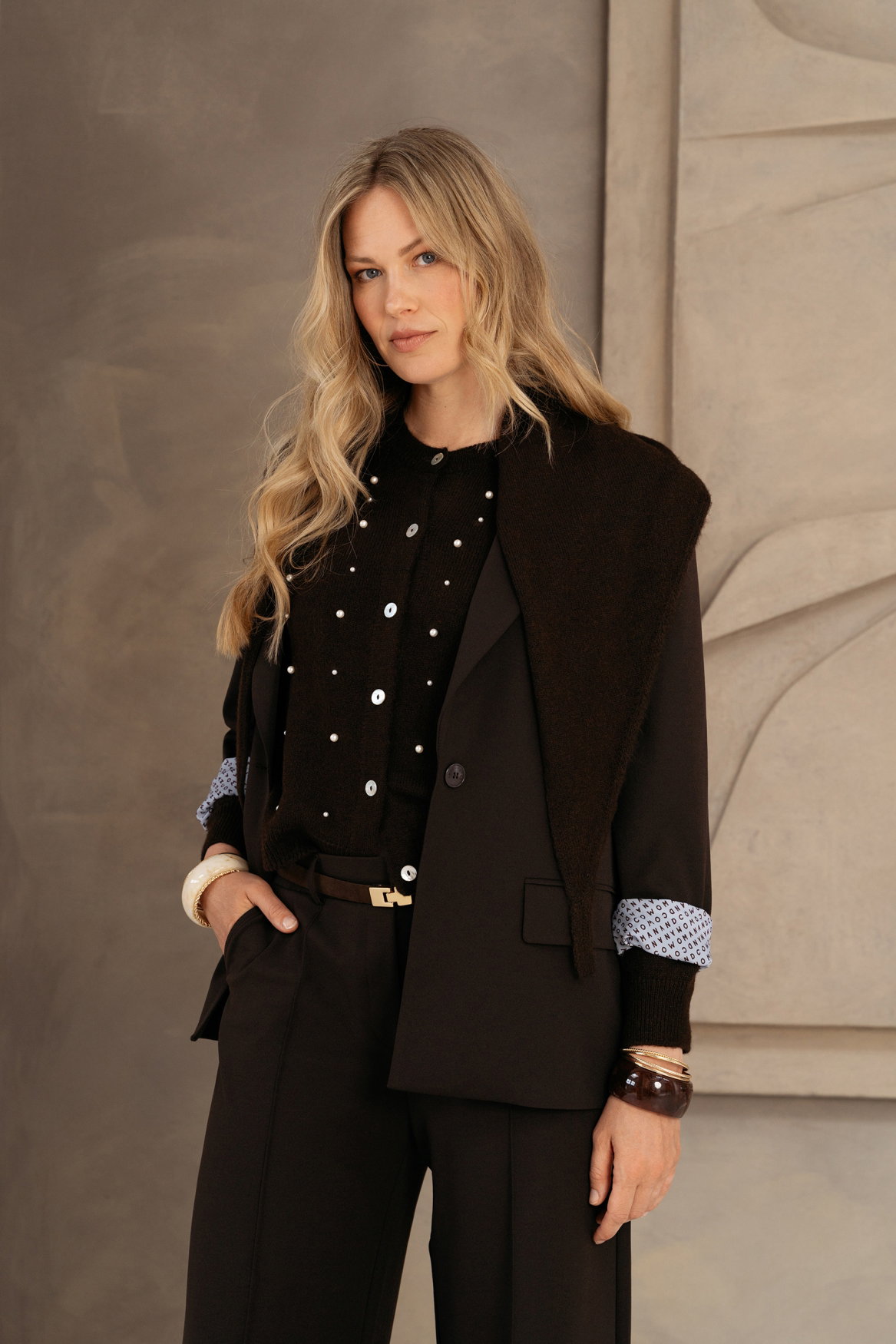
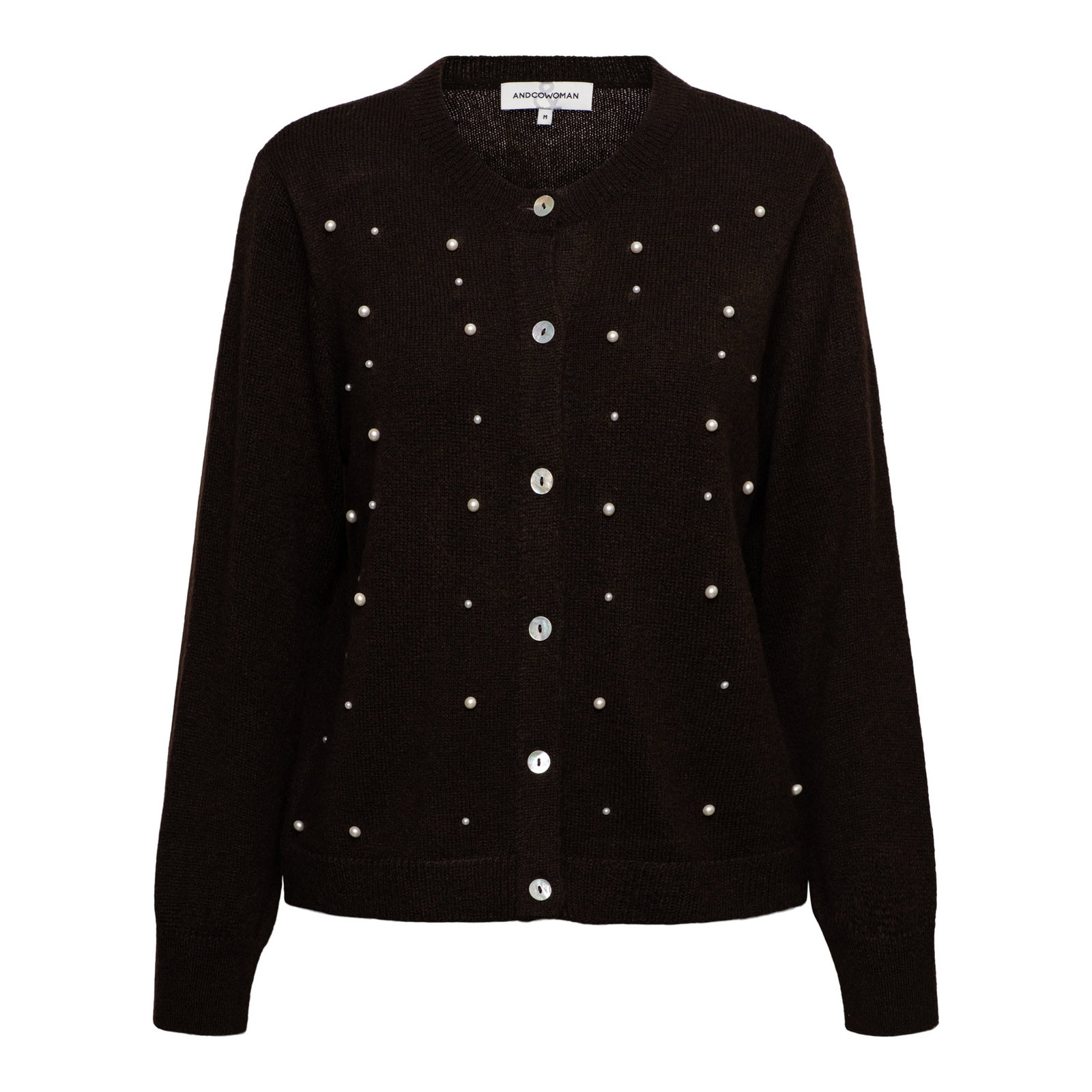
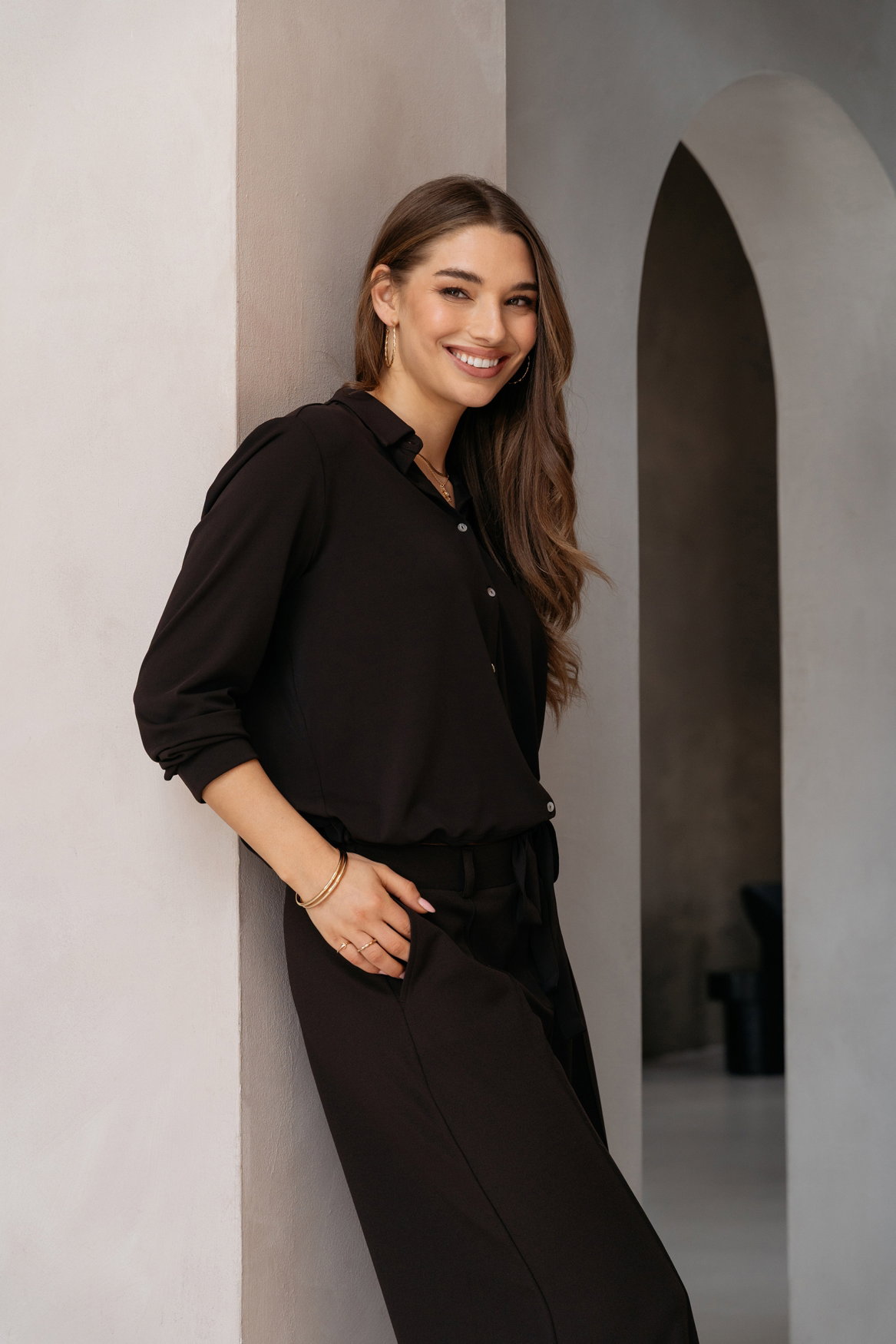
At andcowoman.com, we consciously work with materials that align with these principles. We choose fabrics that feel comfortable, last a long time and are fairly produced. Want to see what that looks like in practice? Explore the collection and discover pieces that belong in a wardrobe you’ll truly wear.